
Rising Heat Raises Pregnancy Risks, Testing India’s Maternity Preparedness
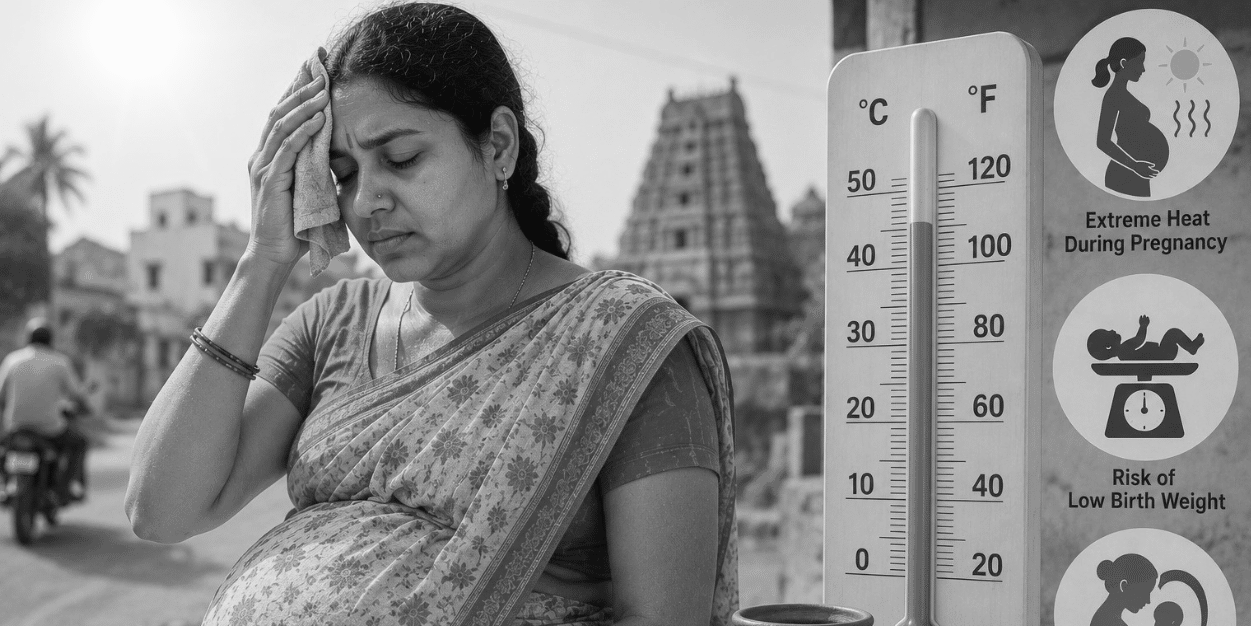
Extreme heat is placing increasing pressure on pregnant women, newborns and maternity services, with a survey finding that healthcare professionals are reporting more heat-related complications affecting maternal health.
The survey of 1,000 maternal healthcare professionals across Australia, Brazil, India, the UK and Zimbabwe found that 73 per cent had seen an increase in heat-related cases or complications among pregnant women over the past five years.
Seventy-six per cent of respondents also reported an increase in heat-related cases affecting foetal or newborn health, while 81 per cent said they were concerned that extreme heat would increasingly threaten maternal, foetal and newborn health without further action.
Nearly all respondents said they had cared for a pregnant woman or baby whose health they considered affected by extreme heat. The survey was commissioned by Wellcome, a global charitable foundation.
In India, a May 2026 guidance document issued by the Union Health Ministry and UNFPA India outlines measures for healthcare professionals dealing with heat-related risks during pregnancy. It includes risk-assessment checklists, warning signs, referral protocols and recommendations for managing complications.
The guidance advises healthcare facilities to ensure safe drinking water, cooling arrangements, essential medicines, backup electricity and heat-ready ambulances. Hospitals are also encouraged to improve ventilation, provide shaded waiting areas and consider changing outpatient timings to avoid peak heat.
Community health workers, including ASHAs, ANMs, community health officers and Anganwadi workers, are expected to identify high-risk pregnancies, recognise warning signs, advise families on hydration and cooling, and facilitate referrals. The guidance also covers breastfeeding and newborn care.
A policy analysis of 35 Indian states and Union Territories found that 12 plans lacked specific recommendations for pregnant or lactating women. Of 214 identified strategies in the remaining plans, only 40 directly addressed these groups.
The survey also highlighted pressure on maternity services, including inadequate cooling, electricity constraints, overcrowding and difficult working conditions in vulnerable settings. Heat can additionally affect access to care by making travel to health facilities more difficult.