
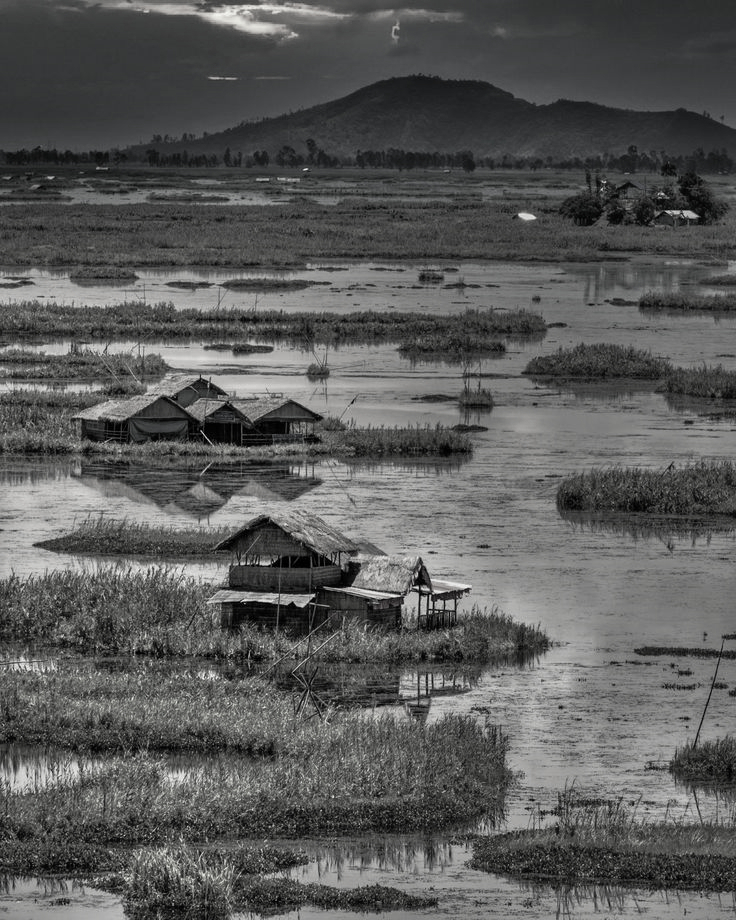
Rest returns to Manipur as tourists revisit Loktak Lake, Signalling gradual normalcy
It’s a good time for Manipur as signs of calm and recovery are becoming visible after years of unrest . The return of tourists to popular destinations like Loktak Lake, where visitors are once again enjoying boat rides and sightseeing, is being seen as a strong indication that normal life is slowly resuming in parts of the state.
Loktak Lake , the largest freshwater lake in Northeast India, is known for its unique phumdis floating masses of vegetation and its scenic beauty. For a long period, tourism activity around the lake had nearly come to a halt due to ethnic violence, curfews, and security concerns. The presence of tourists now suggests that people feel safer to travel and spend time in the region, reflecting an improvement in ground-level conditions.
Manipur has been affected by ethnic conflict since May 3, 2023, when large-scale violence erupted between the Meitei community in the Imphal Valley and the Kuki-Zo tribal groups in the hill districts. The clashes led to widespread displacement, loss of lives, and severe disruption of daily life. Roads were blocked, internet services were suspended repeatedly, and businesses, farming, fishing, and tourism suffered heavy losses. Even after the worst phase of violence subsided, sporadic clashes and security incidents continued through 2024 and into early 2025.
In recent months, however, the intensity of violence has reduced significantly. While tensions and divisions between communities persist and security forces remain deployed, there has been no major outbreak of violence comparable to the events of 2023. Manipur continues under President’s Rule as efforts are made to stabilise the situation, resettle displaced families, and restore trust. The current phase is being described as calm but fragile.
Against this background, the return of tourists is particularly significant. Tourism is often one of the first sectors to collapse during unrest and one of the clearest indicators of recovery when peace returns. Visitors taking boat rides at Loktak Lake show renewed confidence in safety, which in turn helps revive local economic activity. Boat operators, guides, small shop owners, transport services, and homestays are beginning to see income again after years of hardship.
Beyond tourism, agriculture is also showing signs of recovery. Farmers who were forced to abandon or scale down their work during periods of violence and uncertainty are gradually returning to their fields. Improved production and income in some areas are helping restore livelihoods and economic stability, especially in rural parts of the state.
Loktak Lake itself holds deep ecological and cultural importance. It is a Ramsar wetland of international significance and supports fishing communities that depend on the lake for survival. The lake is also home to Keibul Lamjao National Park , the world’s only floating wildlife sanctuary and the natural habitat of the endangered Sangai deer. Renewed activity around the lake not only boosts tourism but also brings attention back to conservation and local traditions.