
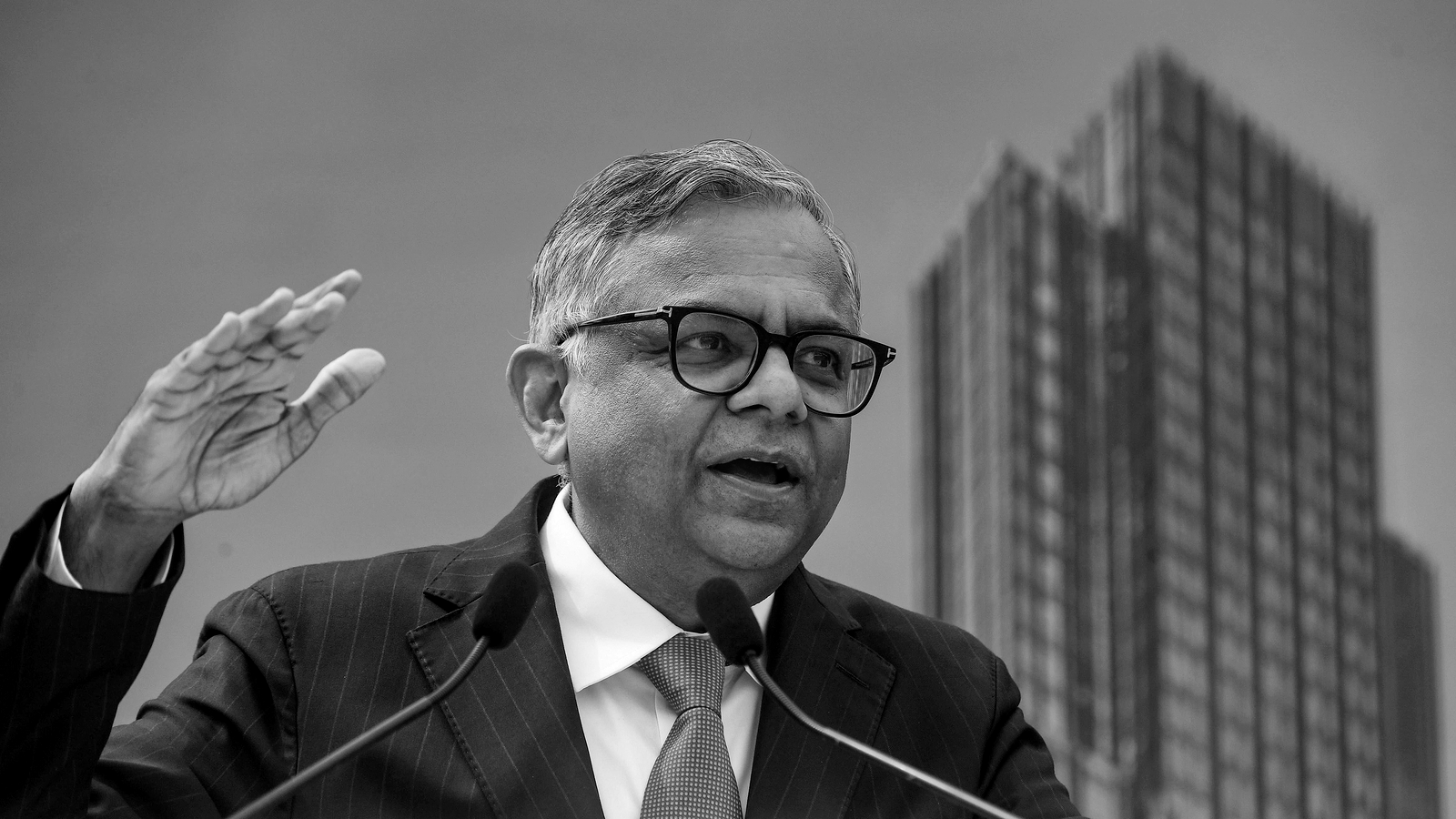
‘Responsibility, Not opportunity’: Chairman Chandrasekaran on Air India’s future
Tata Sons Chairman N. Chandrasekaran has framed Air India’s revival as a long-term national responsibility for the Tata Group, not merely a commercial venture, even as the airline navigates global headwinds and structural challenges in the aviation sector. He believes India’s fast‑growing economy will keep aviation on an upward trajectory for decades, placing Air India at the heart of that growth story and restoring it as a symbol of national pride.
Speaking in Mumbai on 30 November 2025 at an event marking the 121st birth anniversary of J.R.D. Tata, Chandrasekaran said the Group regards Air India as a “responsibility” entrusted to it rather than just a business opportunity. He linked this outlook directly to J.R.D. Tata’s pioneering role in Indian aviation, stressing that rebuilding Air India’s credibility, systems and service standards is central to honouring that legacy.
Chandrasekaran noted that Air India is in the midst of an extensive, multi‑year transformation, but emphasised that the journey has been far from easy. Aviation, he pointed out, is a highly capital‑intensive business with thin profit margins, where airlines must constantly balance high fixed costs, volatile fuel prices and stringent regulatory requirements.
A major obstacle, he said, comes from ongoing global supply chain disruptions, which have made the availability of aircraft, spare parts and key infrastructure components unpredictable. These disruptions have delayed fleet upgrades and new aircraft deliveries, complicating planning and slowing the pace of improvements originally targeted under Air India’s five‑year “Vihaan.AI” transformation plan.
The Tata Group acquired the loss‑making Air India and Air India Express in January 2022 and has since been implementing an ambitious roadmap that includes fleet renewal, network expansion, product upgrades and closer integration of group airlines. Chandrasekaran underlined that, despite delays and near‑term financial pressures, the Group remains firmly committed to the airline’s long‑term success and is prepared for a patient, sustained effort rather than quick gains.
He also highlighted the strong growth potential of India’s aviation market, explaining that every 1 per cent rise in GDP could lead to roughly 2 per cent growth in domestic air travel demand. If India sustains around 8 per cent economic growth, he projected that aviation could expand by about 16 per cent, making it one of the fastest‑growing sectors over at least the next three decades and providing a substantial runway for Air India’s expansion.
Describing this as a “very exciting” phase for both the economy and aviation, Chandrasekaran said the sector will play a crucial role in connecting India’s people, businesses and global partnerships in the years ahead. In that context, he reiterated that the Tata Group’s stewardship of Air India is guided by a sense of duty to build a modern, safe and globally competitive flag carrier that matches India’s aspirations while carrying forward J.R.D. Tata’s aviation legacy.