
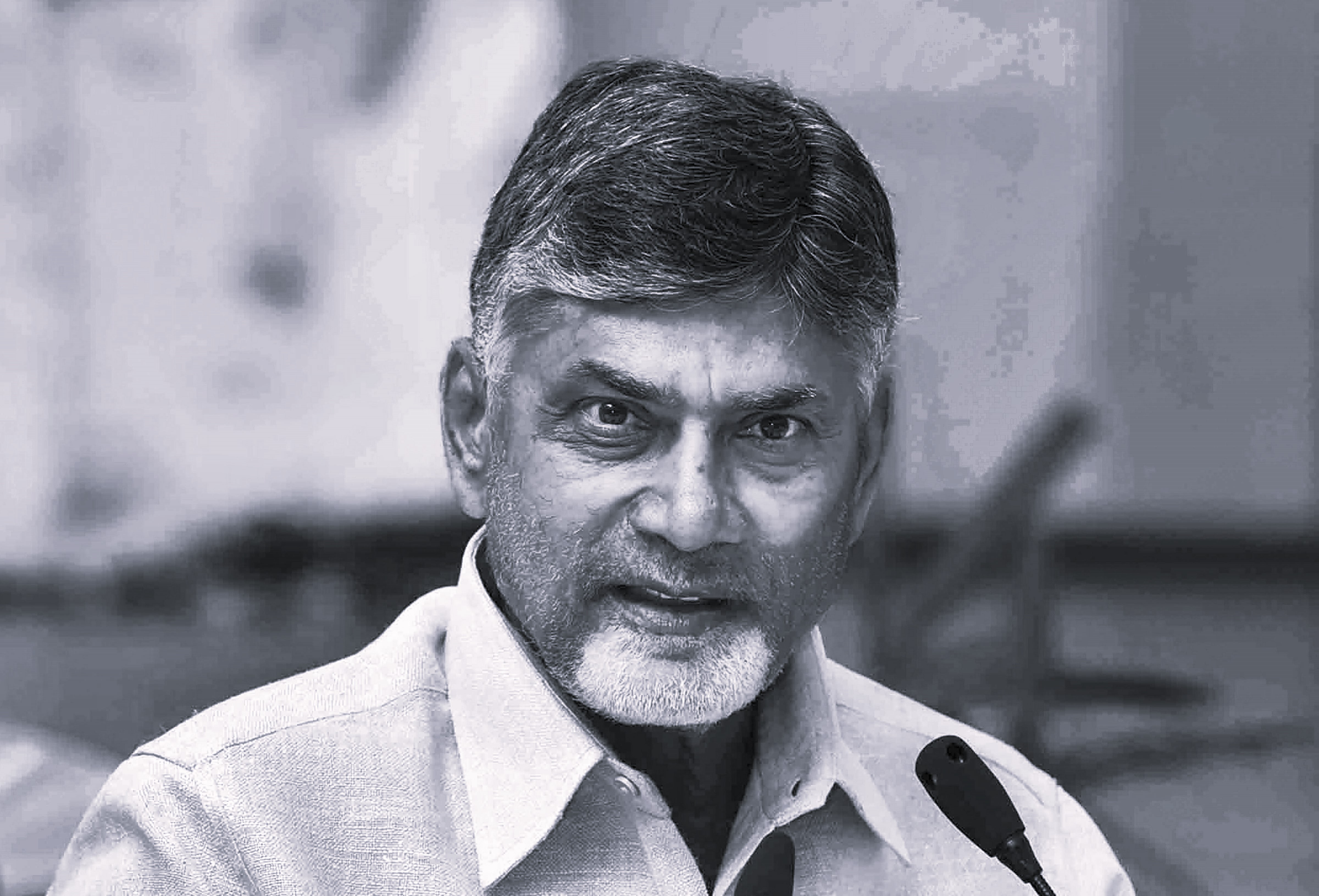
Reforms are powering India to global leadership: CM Chandrababu Naidu
Chief Minister N. Chandrababu Naidu on Sunday underscored the pivotal role that economic reforms have played in shaping India’s trajectory over the past several decades. Speaking at a conference organised by the Andhra Pradesh High Court Advocates Association to commemorate 75 years of the Indian Constitution, he expressed strong confidence that India is on the verge of a historic economic leap. According to him, the nation is poised to become the world’s third-largest economy as early as next year, a milestone that reflects both structural reforms and long-term national resilience.
In his address, Chandrababu Naidu outlined an ambitious yet optimistic economic roadmap for the future. He noted that India is steadily advancing toward becoming the second-largest global economic power by 2038. Looking further ahead, he stated that the country has set its sights on becoming the world’s number one economy by 2047, coinciding with the centenary of India’s Independence. This long-term vision, he emphasised, rests on the foundation of sustained reforms, technological adoption, institutional strengthening, and the collective efforts of citizens across various sectors.
The Chief Minister highlighted how economic reforms from liberalisation to digital transformation—have fundamentally altered the country’s growth path. These reforms, he said, did more than simply modernise economic structures; they reshaped the very direction of the nation. India’s emergence as one of the fastest-growing economies in the world, he asserted, is a direct outcome of decisions made with a forward-looking mindset. Whether through the promotion of private enterprise, expansion of digital services, or the push for global competitiveness, reforms have driven India into a new era of economic dynamism.
Chandrababu Naidu also pointed to the human dimension of this economic rise, predicting that by 2047 India’s per-capita income would be among the highest in the world. As incomes rise and opportunities expand, he said, the global influence of Indians already visible across science, technology, governance, and business will continue to grow stronger. The progress of the Indian diaspora and the increasing recognition of Indian talent worldwide, he added, are reflections of a nation that is steadily moving toward economic leadership.
Alongside his remarks on reforms and economic vision, the Chief Minister took time to highlight the essential role of the judiciary within the democratic framework. He described the judiciary as the most stable and enduring of the four pillars of the Constitution, consistently guiding the nation regardless of political or social turbulence. While the legislature, the executive, and the media may face disruptions, shifts, or external pressures, he said the judiciary has remained a steadfast guardian of constitutional values.
He praised the judiciary for its commitment to fairness, justice, and the rule of law, noting that it has played a decisive role in maintaining democratic balance. According to him, at crucial moments in the nation’s history, the courts have acted with wisdom and integrity, earning the trust of citizens and upholding the foundational ideals of the Constitution. The protection of rights, interpretation of laws, and safeguarding of institutional sanctity, he said, all stem from the judiciary’s unwavering sense of duty.
The event itself was marked by the presence of several distinguished figures from the legal and judicial community, underscoring its significance. Chief Justice of India Justice Bhushan Ramakrishna Gavai attended the conference, along with Andhra Pradesh High Court Chief Justice Dhiraj Singh Thakur, senior judges, leading legal experts, constitutional scholars, and public representatives. Their participation reflected a shared commitment to celebrating the Constitution and acknowledging the institutions that uphold it.
The gathering offered a platform not only to reflect on India’s constitutional legacy but also to discuss the evolving relationship between governance, law, and economic progress. Chandrababu Naidu’s speech, framed within this broader context, tied together the themes of reform, democracy, and national ambition. As India enters a new decade of transformation, he said, both institutional strength and economic opportunity must move forward hand in hand.
By the end of his address, the Chief Minister’s message was clear: the future of India will be shaped by a combination of visionary reforms, a strong constitutional framework, and resilient institutions. The judiciary, in his view, will continue to provide the moral and legal compass, while ongoing reforms will prepare the nation for global leadership. With 2047 on the horizon, he expressed confidence that India’s growth story is only entering its most promising chapter yet.