
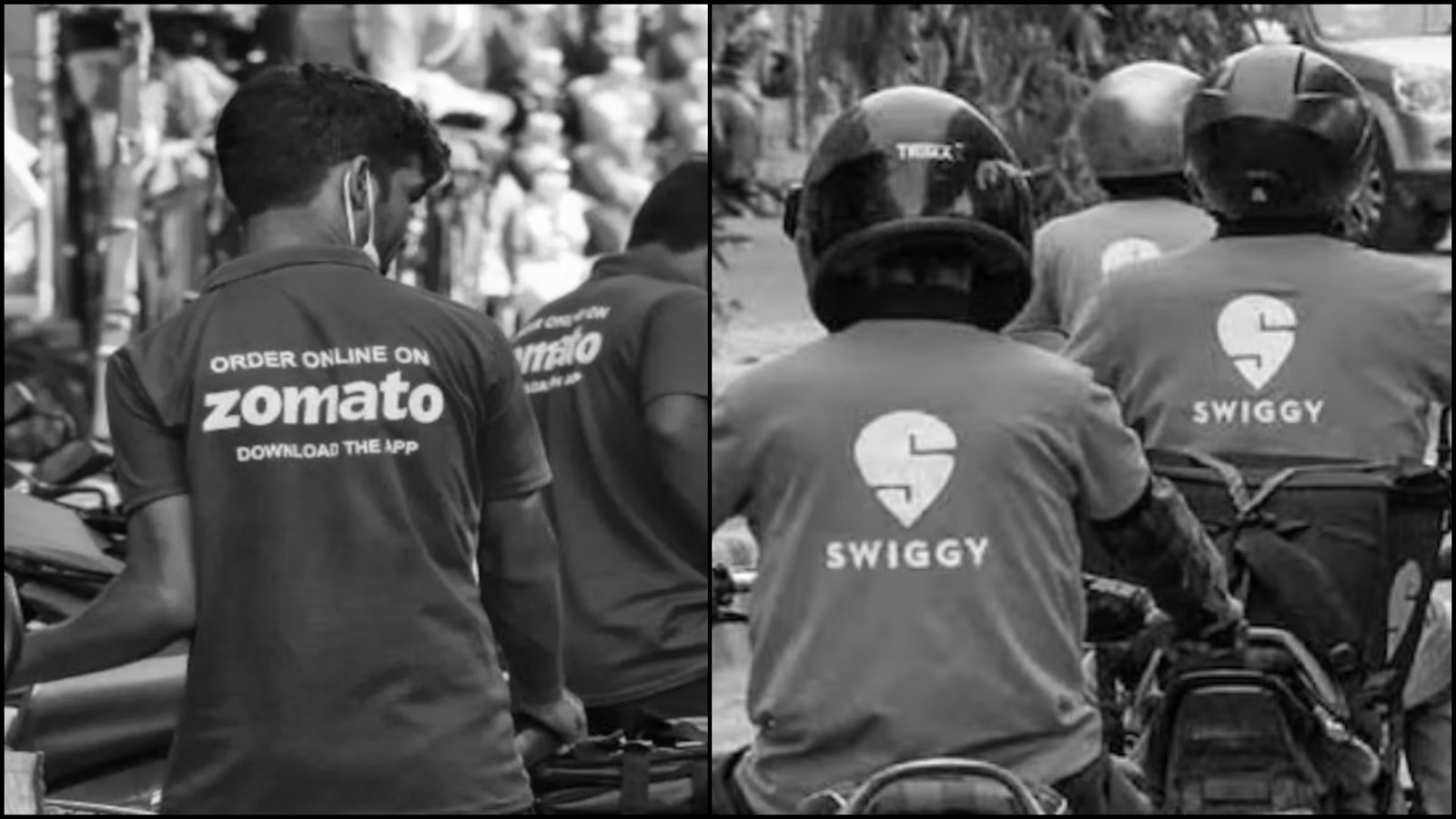
Record new year rush for Zomato, Blinkit, Swiggy amid nationwide Gig workers’ strike
On New Year’s Eve , platforms clocked their highest-ever order volumes , with Zomato and its quick-commerce arm Blinkit serving millions of customers through lakhs of delivery partners. Swiggy and its instant delivery services were similarly placed, riding a surge in orders for food, groceries and party essentials. Company executives said dense store networks and routine festive demand boosts helped manage peak traffic, allowing most deliveries to be completed within short distances without announcing special, one-time incentives.
What was expected to be the biggest business day of the year for India’s food delivery and quick-commerce companies Zomato, Blinkit and Swiggy unfolded against the backdrop of a nationwide gig workers’ strike, highlighting the growing friction between record demand and worker grievances.
The strong business performance, however, came as gig worker unions renewed protests over pay and working conditions. Organisations such as the Indian Federation of App-based Transport Workers called for a minimum monthly wage of ₹40,000, accident insurance and an end to time-pressured delivery targets, including 10-minute commitments in quick commerce.
According to union estimates, over 1.5 lakh delivery workers across major cities stayed off apps on December 31 as part of the nationwide strike. In Hyderabad alone, around 50,000 delivery partners reportedly participated, with higher turnout in IT corridors and densely populated residential areas. Unions alleged that 20–30 per cent of delivery services were disrupted in select localities during peak evening hours, though the impact varied widely across neighbourhoods.
Delivery platforms contested the scale of disruption, stating that operations remained largely stable through most of December 31, particularly from late afternoon to midnight , when demand peaked. Customers in several parts of Hyderabad reported only minor delays during evening hours, while a few neighbourhoods experienced limited availability between 7 pm and 10 pm , the highest-demand window. Companies said the large number of active delivery partners ensured service continuity despite strike calls.
Union leaders argued that the high volumes recorded on New Year’s Eve should not be mistaken for worker satisfaction. They claimed many delivery partners earn as little as ₹50 per hour after fuel and maintenance costs , and said festive rushes often compel workers to accept longer hours under pressure. Platform executives, including Zomato CEO Deepinder Goyal, countered that gig work offers flexibility and has created large-scale earning opportunities, especially during peak demand periods.
The contrasting narratives underline a deeper challenge for India’s app-based delivery sector: balancing rapid growth and customer expectations with demands for fair pay, safety and social security for gig workers. As platforms celebrate record business days, unions say the strike marks a push for structural reforms that go beyond temporary incentives.