
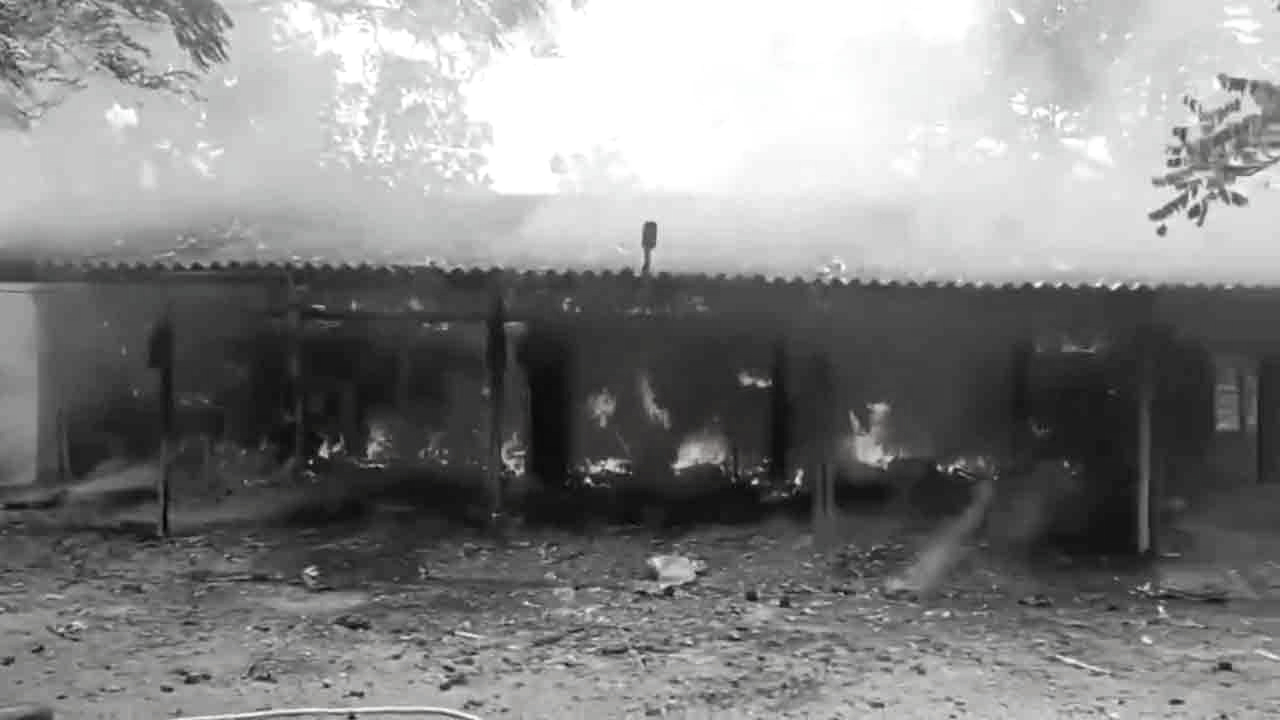
Rayavaram blast tragedy: Firecracker manufacturing unit turns deadly
At least six people lost their lives and several others were injured when a massive explosion followed by a fire tore through a licensed firecracker manufacturing unit in Rayavaram on Tuesday. The injured have been rushed to Anaparthi Government Hospital for emergency treatment, where medical teams are providing critical care.
Preliminary investigations point to a suspected short circuit as the trigger of the blast, though authorities are examining all possibilities, including human error, procedural lapses, or non-compliance with safety norms. There is currently no evidence suggesting deliberate sabotage.
Firecracker factories in India operate under strict guidelines defined by the Explosives Act. Licensing is granted only after inspections by Safety Officers from the State Explosives Department, who ensure compliance with fire safety and operational protocols. These include:
• Adequate distance from residential areas
• Fire-resistant construction materials
• Proper storage and handling of explosive chemicals
• Availability of firefighting equipment
• Trained personnel and documented internal safety procedures
Even after licensing, factories are required to undergo periodic inspections, typically every 3–6 months, and conduct monthly internal safety audits to monitor electrical systems, storage conditions, and staff training. Investigators are now examining the Rayavaram unit’s inspection and audit records, including the role of the designated Safety Officer, to determine whether lapses contributed to the tragedy.
Many firecracker factories in Andhra Pradesh operate in small-scale, godown-like structures. While legally permitted if safety norms are met, such setups are highly vulnerable to accidents. Experts note that periodic inspections alone may not be sufficient to prevent disasters, especially when safety audits are neglected or improperly implemented.
Industry experts advocate for the introduction of automatic machinery in firecracker production to minimize human exposure to explosive materials. Automated systems can handle processes such as mixing, rolling, and packing, often from remote control rooms, and reduce the likelihood of accidental ignition. Enclosed blast-resistant chambers, integrated fire suppression systems, and constant monitoring can significantly improve safety. However, experts caution that automation alone cannot replace proper storage, adherence to safety protocols, and staff training.
Andhra Pradesh is a key hub for firecracker production, particularly in the districts of East Godavari, West Godavari, and Konaseema. Historical records and media reports indicate that over the past 10–15 years, approximately 50–70 deaths have occurred in the state due to firecracker factory accidents, mostly in small-scale, poorly regulated units. Nationally, the National Crime Records Bureau reports that India sees 50–100 deaths annually in firecracker or explosive manufacturing accidents.
The district administration has initiated intensified inspections of other firecracker units to prevent further incidents. Disaster management teams are coordinating relief measures for the victims’ families and ensuring that injured workers receive timely medical care. Police and fire officials continue to investigate the Rayavaram site, examining compliance with electrical, structural, and fire safety norms.
The Rayavaram blast highlights the urgent need for strict enforcement of safety regulations, modernization of production processes, and continuous staff training in firecracker manufacturing. Small-scale units, particularly those operating in godown-like structures, remain highly vulnerable unless proper precautions, audits, and advanced safety technologies are consistently applied. Experts stress that a combination of automation, fire-resistant infrastructure, rigorous oversight, and trained personnel is essential to prevent future tragedies.