
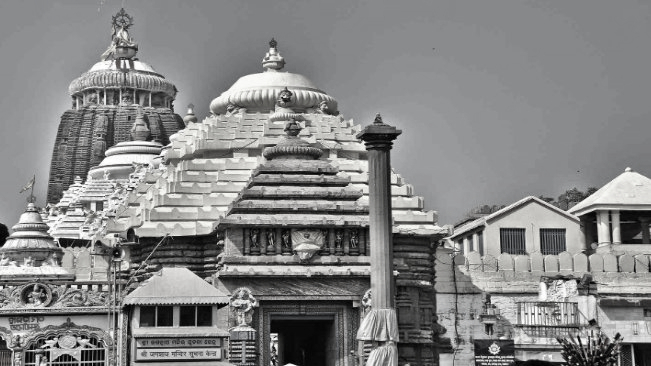
Ratna Bhandar inventory resumes at Jagannath Temple after 48 Years
The long-pending inventory of the Ratna Bhandar (treasury) at the Jagannath Temple commenced on Wednesday, marking the first such exercise since 1978.
Conducted under strict supervision of the Shree Jagannath Temple Administration, the process began during an auspicious time window, with only authorised personnel allowed inside. Officials confirmed that daily rituals at the 12th-century shrine continue uninterrupted, while devotees are permitted darshan from designated outer areas.
The inventory is being carried out in phases, starting with ornaments used in daily rituals, followed by the outer and inner chambers of the treasury. The last exercise, conducted over 72 days in 1978, recorded hundreds of gold and silver items along with precious stones. This time, authorities are using digital photography and expert evaluation by gemologists to ensure accurate documentation and faster completion.
The move comes after decades of delay caused by procedural disputes, safety concerns regarding the treasury structure, and lack of consensus among stakeholders. Recent intervention by the Odisha government and judicial oversight accelerated the process, amid growing calls for transparency in managing temple assets.
Temple servitors, banking officials, gem experts, and representatives of the Reserve Bank of India are part of the exercise, with valuables being catalogued and securely stored.
Built in the 12th century by King Anantavarman Chodaganga Deva , the temple is one of Hinduism’s Char Dham pilgrimage sites. It is globally known for the annual Rath Yatra, during which the deities are taken out in grand chariots, drawing millions of devotees.
The current inventory is seen as a significant step toward ensuring accountability while preserving the temple’s religious traditions.