
Rare Himalayan Bee Recorded in India for the First Time in Arunachal Pradesh’s Tawang
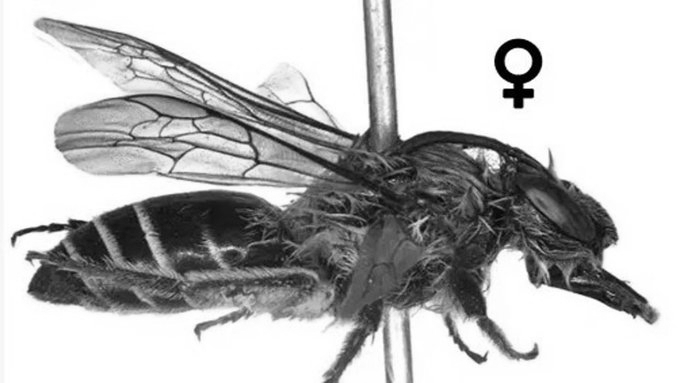
A rare Himalayan solitary bee, Colletes bhutanicus, has been recorded in India for the first time in Tawang district of Arunachal Pradesh, offering scientists fresh insights into the diversity of pollinators found across the eastern Himalayas.
The discovery was made by scientists from the Zoological Survey of India (ZSI) during extensive surveys in Tawang. The species was previously known from Bhutan and China’s Xizang (Tibet) region, making its Indian record an important addition to the known distribution of the bee.
Researchers recorded the bee at elevations ranging from 1,500 metres to 3,800 metres above sea level and observed it visiting 25 species of flowering plants. These included mustard, buckwheat, coriander, beans, chilli and eggplant, highlighting its potential importance to mountain agriculture and natural ecosystems.
Unlike the honeybees commonly seen in India, Colletes bhutanicus is a solitary bee. Honeybees live in organised colonies with queens, workers and drones, while individual Colletes bees generally nest separately rather than forming large colonies. They do not live in hives or produce honey for storage like honeybees.
Despite their solitary lifestyle, these bees play an important role as pollinators. As they move from flower to flower collecting pollen and nectar, they help plants reproduce and contribute to the health of mountain ecosystems.
The discovery also adds to the scientific understanding of a bee that has been relatively poorly documented. Earlier taxonomic studies recorded C. bhutanicus from Bhutan and parts of China, including high-altitude areas of Xizang. The new Indian record suggests that its distribution extends further across the eastern Himalayan landscape.
Arunachal Pradesh, with its enormous variations in altitude, climate and vegetation, is among India's richest biodiversity regions. Scientists say remote mountain areas such as Tawang could harbour several species that remain undocumented, making continued biodiversity surveys particularly important.
The discovery also carries significance for agriculture. The bee’s visits to crops and flowering plants raise the possibility that native solitary pollinators contribute to food production in high-altitude communities, alongside better-known honeybees.
Deputy Chief Minister Chowna Mein described the finding as a matter of pride for Arunachal Pradesh and stressed the potential role of native pollinators in supporting mountain agriculture.
The first Indian record of Colletes bhutanicus therefore represents more than the addition of a name to the country’s biodiversity list—it highlights the hidden ecological wealth of the eastern Himalayas and the important work still needed to understand and protect its lesser-known pollinators.