
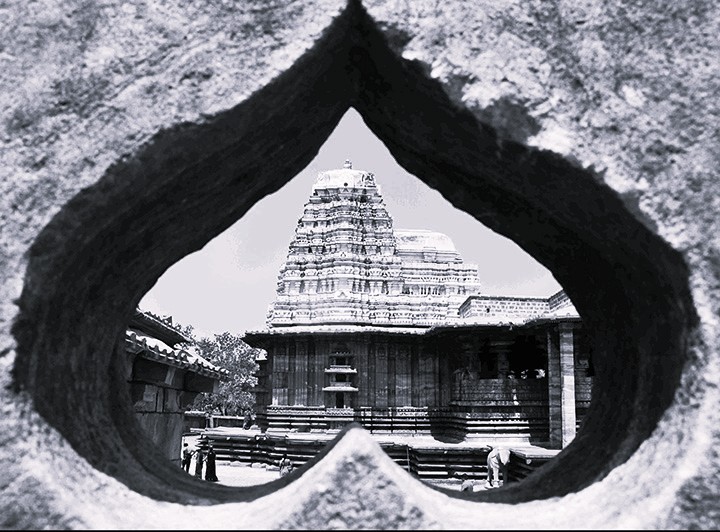
Ramappa Temple: Marvel of Global recognition
In the village of Palampet in Telangana’s Mulugu district, the Rudreshwara Temple, popularly known as Ramappa Temple, stands as a beacon of architectural brilliance, cultural richness, and engineering innovation. Built in 1213 CE during the reign of the Kakatiya dynasty, this 13th-century Hindu temple dedicated to Lord Shiva is not just a place of worship but a living testament to the artistic and technological prowess of medieval India. Recognized as a UNESCO World Heritage Site in 2021, Ramappa Temple has garnered international acclaim for its unique features and contributions to global heritage. This feature article delves into the temple’s remarkable achievements, its architectural grandeur, and the enduring legacy of the Kakatiya dynasty.
UNESCO world heritage site
On July 25, 2021, Ramappa Temple achieved a monumental milestone by being inscribed as a UNESCO World Heritage Site during the 44th session of the World Heritage Committee in Fuzhou, China. This accolade marked it as India’s 39th World Heritage Site and the first in Telangana, placing it alongside iconic global landmarks. UNESCO lauded the temple for meeting two key criteria.
Criterion I:
A “masterpiece of human creative genius” for its pioneering engineering techniques, such as floating bricks and sandbox foundations.
Criterion II:
An “exceptional testimony to Kakatiya cultural traditions” through its intricate sculptures and architectural innovations.
The inscription was a moment of pride for Telangana and India, with posts on X reflecting widespread celebration. “UNESCO has conferred the ‘World Heritage Tag’ to the 13th Century Ramappa temple… Proud to learn,” shared one user, echoing the sentiment of many. This recognition has transformed the temple into an international tourism hub, drawing scholars, architects, and heritage enthusiasts to explore its wonders.
Architectural Marvels: A Symphony in Stone
Commissioned by Recharla Rudra, a general under Kakatiya ruler Ganapati Deva, and designed by the visionary architect Ramappa after whom the temple is uniquely named Ramappa Temple is a masterpiece of Kakatiya architecture. Constructed over 40 years, it blends Dravidian and Vesara styles, showcasing a fusion of elegance and functionality. Here are some of its standout architectural achievements.
1. Floating bricks:
One of the temple’s most astonishing features is its use of lightweight, porous bricks in the shikhara (dome) above the garbhagriha (sanctum sanctorum). These “floating bricks,” made with sawdust to create a spongy texture, have a specific gravity of about 0.9 grams/cc, allowing them to float on water. This innovation reduced the structural weight of the roof, a feat that continues to baffle modern engineers. Chemical analysis by Dr. Habib Haman confirmed the bricks’ unique composition, noting their superior quality compared to similar bricks from Bidar.
2. Sandbox technology:
The temple’s foundation employs the pioneering “sandbox technique,” where pits filled with a mixture of sand, granite, jaggery, and myrobalan (karakkaya) support the structure. This method, combined with wet sand technology to regulate temperature, has enabled the temple to withstand earthquakes, including a significant 17th-century tremor and a 1969 earthquake of magnitude 5.7. A 2017 study by Hyderabad-based civil engineers confirmed the temple’s stability, noting that the natural periods of the structure and soil prevent amplification of seismic vibrations. This resilience underscores the Kakatiyas’ advanced understanding of geotechnical engineering.
3. Intricate carvings and sculptures:
The temple’s aesthetic brilliance lies in its exquisitely carved pillars, ceilings, and walls, crafted from reddish sandstone and black basalt. The carvings depict mythological scenes, dancers, musicians, and motifs from Hindu Puranas, showcasing the Kakatiya era’s artistic zenith. The polished basalt bracket figures, including female dancers and mythical animals, are celebrated for their “delicate carving, sensuous postures, and elongated bodies.” The pillars in the maha mandapam (main hall) create a mesmerizing play of light and space, enhancing the temple’s spiritual ambiance.
4. Musical pillars:
A lesser-known but fascinating feature is the temple’s musical pillars. By tapping specific stones and pillars, visitors can produce musical notes akin to ‘sa-re-ga-ma,’ a testament to the precise craftsmanship. This acoustic ingenuity highlights the temple’s integration of art and science.
5. Nandi mandapa and structural layout:
The temple complex features a star shaped, 6 foot high platform, a garbhagriha housing a 3 meter tall Shiva Lingam, an antarala (antechamber), and a maha mandapam for public rituals. The detached Nandi Mandapa, with its life-sized Nandi statue facing the sanctum, is a striking element. The Nandi’s design creates an optical illusion, appearing to gaze at visitors from any angle, showcasing the sculptor’s mastery.
Cultural and Historical Significance
Ramappa Temple is more than an architectural gem,it is a repository of Kakatiya culture. The dynasty, which ruled from 1158 to 1323 CE, was known for its political stability, economic prosperity, and patronage of art and literature. The temple’s inscriptions, including a 204 line engraving on a basalt pillar, chronicle the achievements of Recharla Rudra and the Kakatiya rulers.
The temple also played a pivotal role in reviving cultural traditions. The Perini Shivatandavam, an ancient Kakatiya dance form performed by male warriors in honor of Lord Shiva, was rediscovered by dance exponent Nataraja Ramakrishna through the temple’s sculptures. These carvings, inspired by the Netta Ratnavali text, depict dynamic dance poses, preserving the Kakatiya legacy for posterity.
Marco Polo, the medieval Italian traveler, reportedly described Ramappa Temple as “the brightest star in the galaxy of temples,” a testament to its global allure even in the 13th century.
Restoration and Preservation
The temple’s enduring condition is a result of both its robust construction and dedicated restoration efforts. In 1914, the 7th Nizam of Hyderabad funded restoration work, with archaeologist Dr. Ghulam Yazdani meticulously restoring missing decorations and ornaments. The Archaeological Survey of India (ASI) now oversees the temple’s preservation, though some smaller structures and the main entrance gate remain in ruins.
Scenic and spiritual heaven:
Set against the backdrop of Ramappa Lake and lush greenery, the temple’s tranquil location enhances its spiritual appeal. Visitors are drawn to its serene ambiance, ideal for meditation and reflection. The temple’s proximity to other Kakatiya-era sites, such as Warangal Fort and Pochampalli Village, makes it a key destination for heritage tourism.
Achievements and legacy:
Ramappa Temple’s achievements are multifaceted:
First UNESCO Site in Telangana:
Its 2021 inscription elevated Telangana’s global cultural profile.
Unique Naming:
It is the only temple in India named after its architect, Ramappa, honoring the craftsman’s legacy
Engineering innovations:
The floating bricks and sandbox technology remain subjects of study for modern architects and engineers.
Cultural revival:
The rediscovery of Perini Shivatandavam underscores the temple’s role in preserving Kakatiya art forms.
Global acclaim:
Endorsements from figures like Marco Polo and UNESCO highlight its universal significance
How to Reach?
By Road:
From Hyderabad (209 km, 4 to 5 hours).Take NH 163 (Hyderabad-Warangal Highway) towards Warangal.From Warangal, continue on NH 563 towards Mulugu (approximately 70 km from Warangal).
By Rail:
Nearest Railway Station: Warangal Railway Station (68 km from the temple).Warangal is well connected to major cities like Hyderabad, Delhi, Chennai, and Bengaluru via trains like the Telangana Express or Dakshin Express.
Ramappa Temple is not merely a monument but a celebration of human ingenuity, artistic excellence, and spiritual depth. Its UNESCO recognition, innovative engineering, and cultural significance make it a must-visit destination for anyone seeking to explore India’s rich heritage. As one X user aptly noted, “No history taught us about these great artisans who created such Wonders Saulters!” The temple’s polished basalt pillars, intricate carvings, and floating bricks continue to inspire awe, standing as a testament to the Kakatiya dynasty’s enduring legacy. Plan a visit to this “brightest star” and step into the glorious past of Telangana’s architectural marvel.