
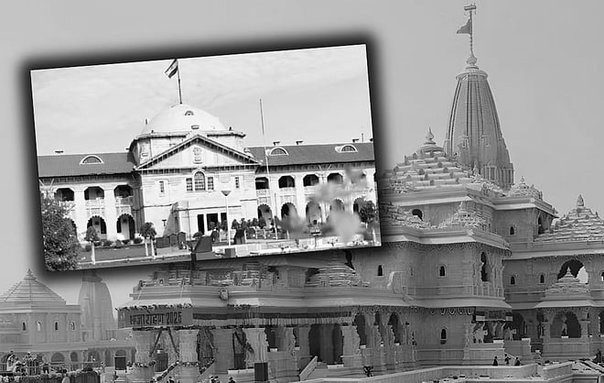
Ram Temple Donation Theft Row: Allahabad HC Judge Seeks Death Penalty for Corruption
The alleged theft of donations at the Ram Temple in Ayodhya has prompted sharp remarks from the Allahabad High Court, with Justice Atul Sreedharan calling it the "nadir of Indians' integrity" and suggesting that the death penalty be considered for serious corruption offences.
The observations came in a 51 page opinion delivered by Justice Atul Sreedharan as part of a split verdict in a case concerning "bulldozer justice" and the demolition of houses of accused persons under the guise of municipal code violations. The matter will now require consideration by a larger bench because of the split verdict.
Referring to the alleged Ram Temple donation theft, the judge said, "Nothing can shame people who remain unfazed by the theft at the Ram Temple, which epitomises the nadir of Indians' integrity." He added that corruption has become so deeply normalised that many people no longer view it as wrong unless they are caught. Justice Sreedharan also noted that India's 91st rank among 182 countries in Transparency International's 2025 corruption index had failed to evoke public shame.
The judge urged Parliament to consider amending the Prevention of Corruption Act, 1988, to introduce the death penalty for those convicted of corruption, saying only the harshest measures could help reverse the country's "morass of dishonesty."
On the issue of demolitions, Justice Sreedharan criticised the continuing practice of bulldozer action, saying homes are often demolished to satisfy the "perceived blood lust" of a society conditioned to support such measures despite repeated Supreme Court rulings against arbitrary demolitions. He said authorities frequently ignore illegal constructions because of political patronage or bribery and later penalise innocent homebuyers decades afterward.
The judge described the State as particeps criminis (an accomplice) for enabling illegal constructions by providing civic amenities despite violations. He warned that unchecked corruption would concentrate wealth among a few, widen inequality, and increase the risk of future civil unrest.
The remarks come amid continuing judicial scrutiny of the Ayodhya Ram Temple donation case. Earlier this week, the Supreme Court ordered that the probe be handled by a Special Investigation Team (SIT) led by a senior IPS officer, directed the Shri Ram Teerth Kshetra Trust to preserve donation records, and said it would monitor the investigation while cautioning against politicising the issue. Reports before the court stated that eight people have been arrested, with the next hearing scheduled for July 27.