
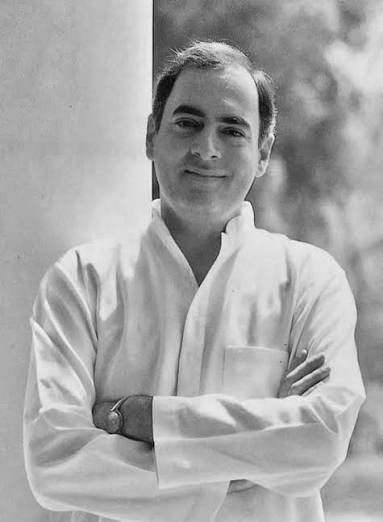
Rajiv Gandhi’s 82nd Birth Anniversary: Gandhi Family Leads Tributes, PM Modi Pays Homage
Former prime minister Rajiv Gandhi was remembered across the country on Thursday on his 82nd birth anniversary, with the Gandhi family leading tributes at Veer Bhumi in New Delhi and Prime Minister Narendra Modi also paying homage.
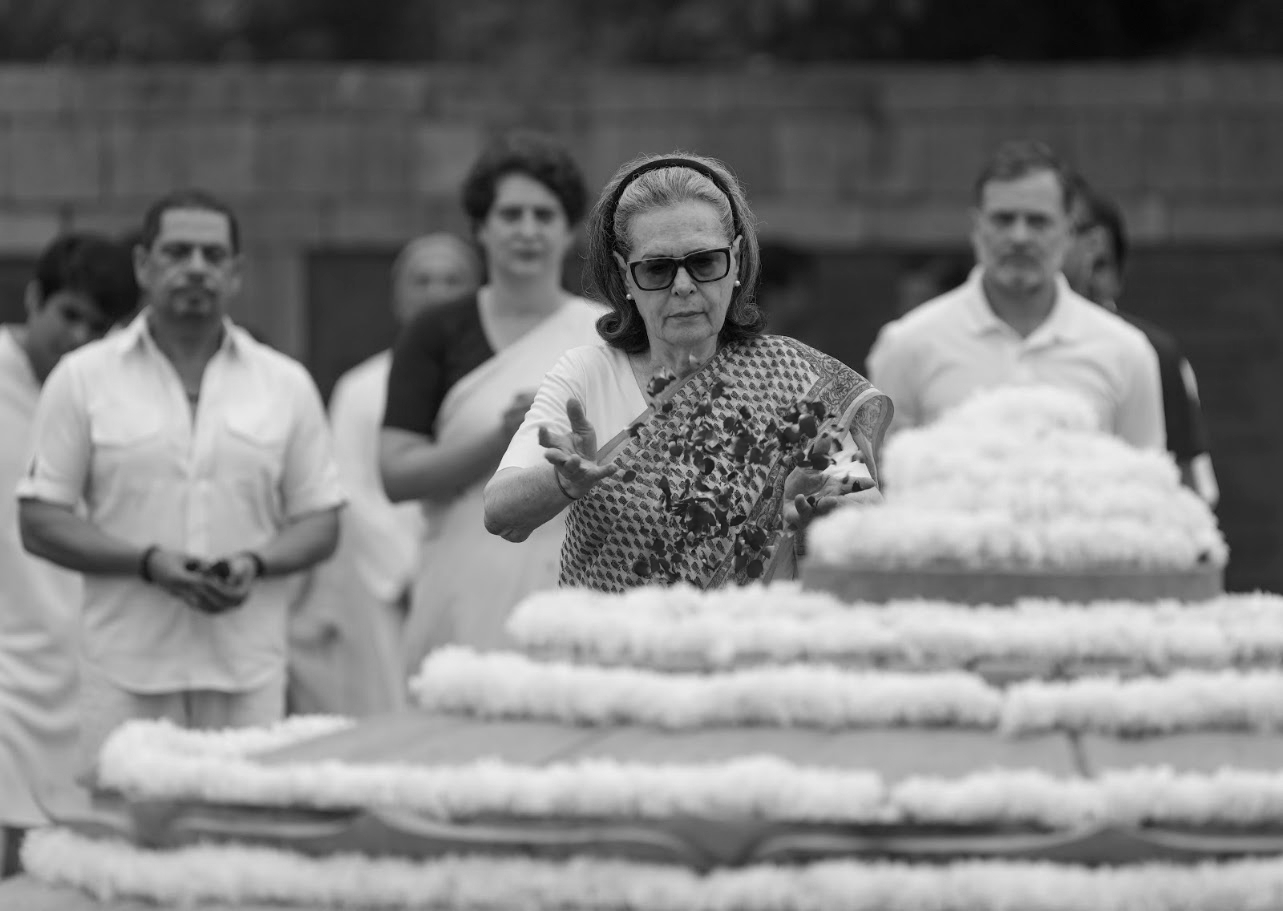
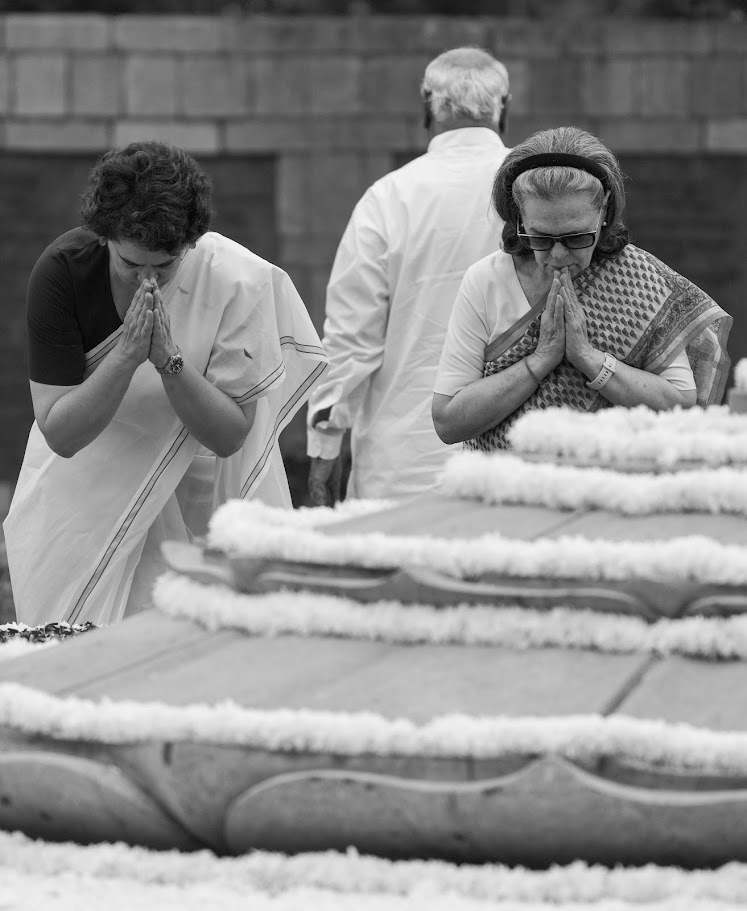
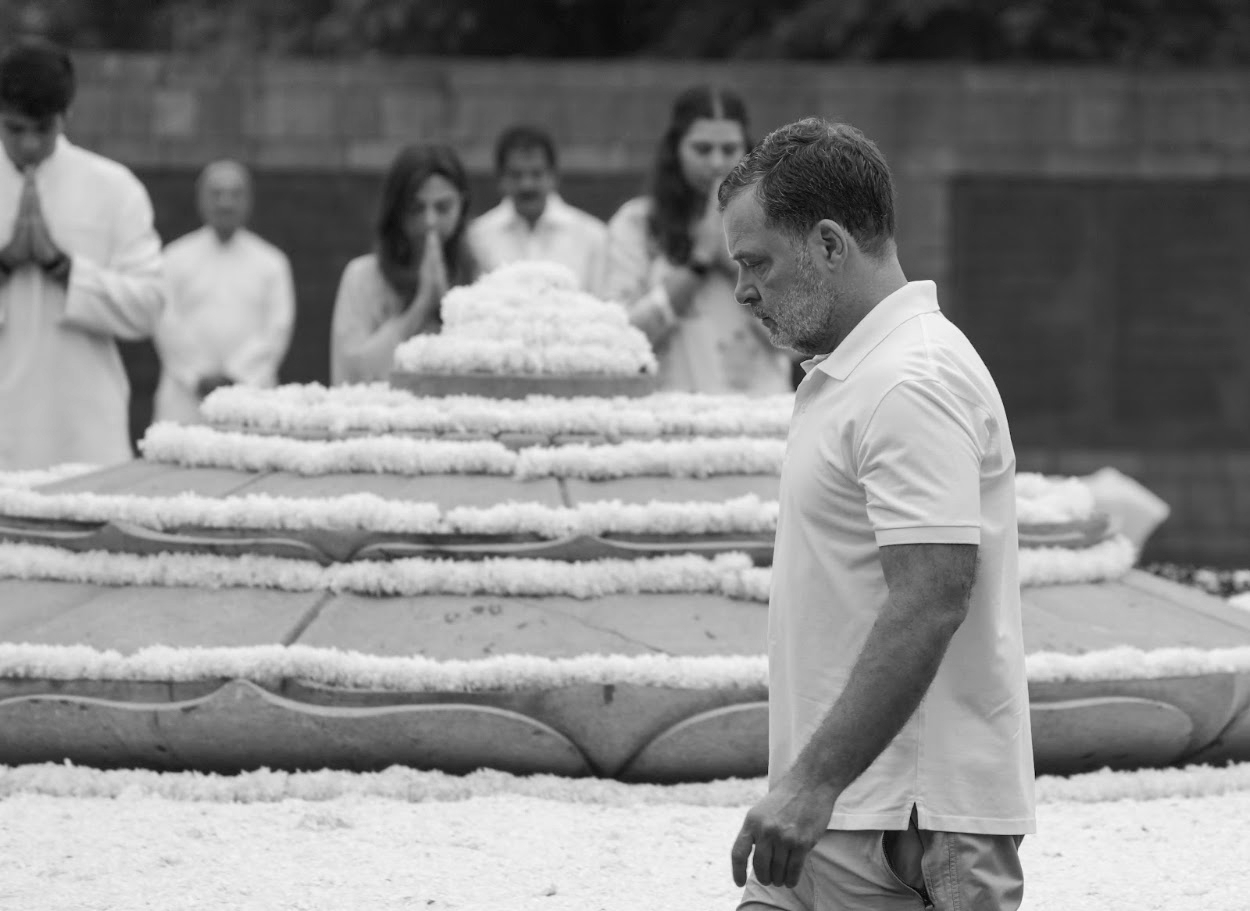
Congress president Mallikarjun Kharge, Leader of Opposition Rahul Gandhi, Congress Parliamentary Party chairperson Sonia Gandhi and Priyanka Gandhi Vadra offered floral tributes at Rajiv Gandhi’s memorial. Priyanka’s son Raihan Vadra and his fiancée Aviva Baig were also present.
For Rahul Gandhi, the occasion was deeply personal. Remembering his father’s emphasis on harmony, compassion and equal justice, Rahul said the values Rajiv Gandhi taught him remained his strength and his memories his courage.
He also paid an emotional tribute to Sonia Gandhi, recalling the difficult years she faced after Rajiv Gandhi’s assassination. Rahul referred to Sonia Gandhi’s forthcoming memoir, Belonging: A Journey of Love, due on November 10, saying he was proud that her story would reach millions who have followed and supported her.
Kharge described Rajiv Gandhi as a leader who “awakened hope in millions” and helped prepare India for the promise of the 21st century. He highlighted Gandhi’s faith in youth, technology and fresh ideas, and said the most meaningful tribute would be to strengthen empathy, harmony and reconciliation.
Prime Minister Narendra Modi also paid homage to Rajiv Gandhi on his birth anniversary, saying, “On the occasion of his birth anniversary, paying homage to the former Prime Minister of India, Shri Rajiv Gandhi.”
Rajiv Gandhi’s legacy, however, extends beyond the annual tributes. He became prime minister at the age of 40 after the assassination of his mother, Indira Gandhi, in 1984, and inherited a sweeping electoral mandate.
His government pushed computerisation and telecommunications modernisation, initiatives widely associated with laying foundations for the technological transformation India witnessed in subsequent decades. His government also introduced the anti-defection law in 1985 and sought to strengthen grassroots democracy through constitutional reforms for Panchayati Raj institutions.
His tenure was also marked by major political challenges. The government signed the Assam Accord and Punjab Accord in 1985, while the Indo-Sri Lanka Accord of 1987 led to the deployment of the Indian Peace Keeping Force in Sri Lanka.
The Bofors controversy further damaged his government’s political standing and became one of the defining issues of the 1989 Lok Sabha election.
Rajiv Gandhi was assassinated by an LTTE suicide bomber at Sriperumbudur in Tamil Nadu on May 21, 1991, aged 46. He was later awarded the Bharat Ratna posthumously.
As his birth anniversary is observed as Sadbhavana Diwas, tributes once again brought attention to a legacy that combines technological ambition and political reform with controversy, conflict and an unfinished vision of modern India.