
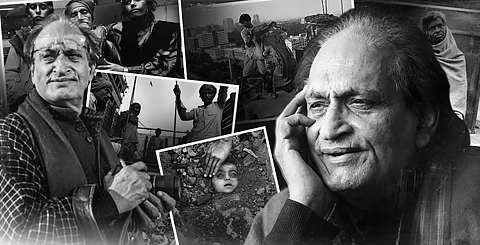
Raghu Rai, Who Captured India’s Soul Through His Lens, Dies At 83
Raghu Rai, one of India’s most iconic photographers who chronicled the country’s evolving identity with rare depth and sensitivity, died at a private hospital here early Sunday. He was 83.
Rai had been battling cancer. “It first appeared in the prostate and was treated, then spread to the stomach and was cured again. Recently, it reached the brain, along with age-related complications,” his son Nitin Rai said.
He is survived by his wife Gurmeet, son Nitin, and daughters Lagan, Avani and Purvai.
Born on December 18, 1942, in Jhang in undivided Punjab (now in Pakistan), Rai trained as a civil engineer before turning to photography at the age of 23. He joined The Statesman as chief photographer in 1966, marking the beginning of a six-decade-long career that shaped Indian photojournalism.
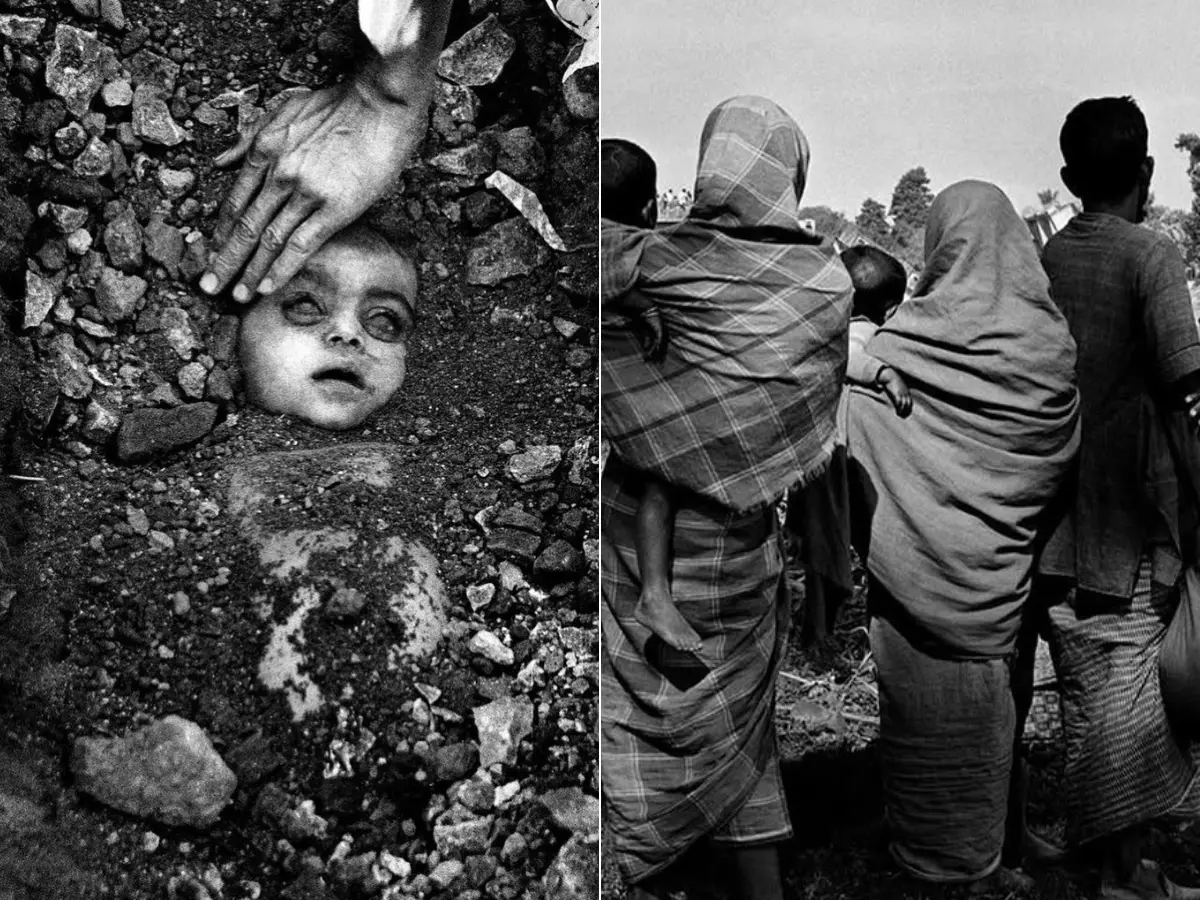
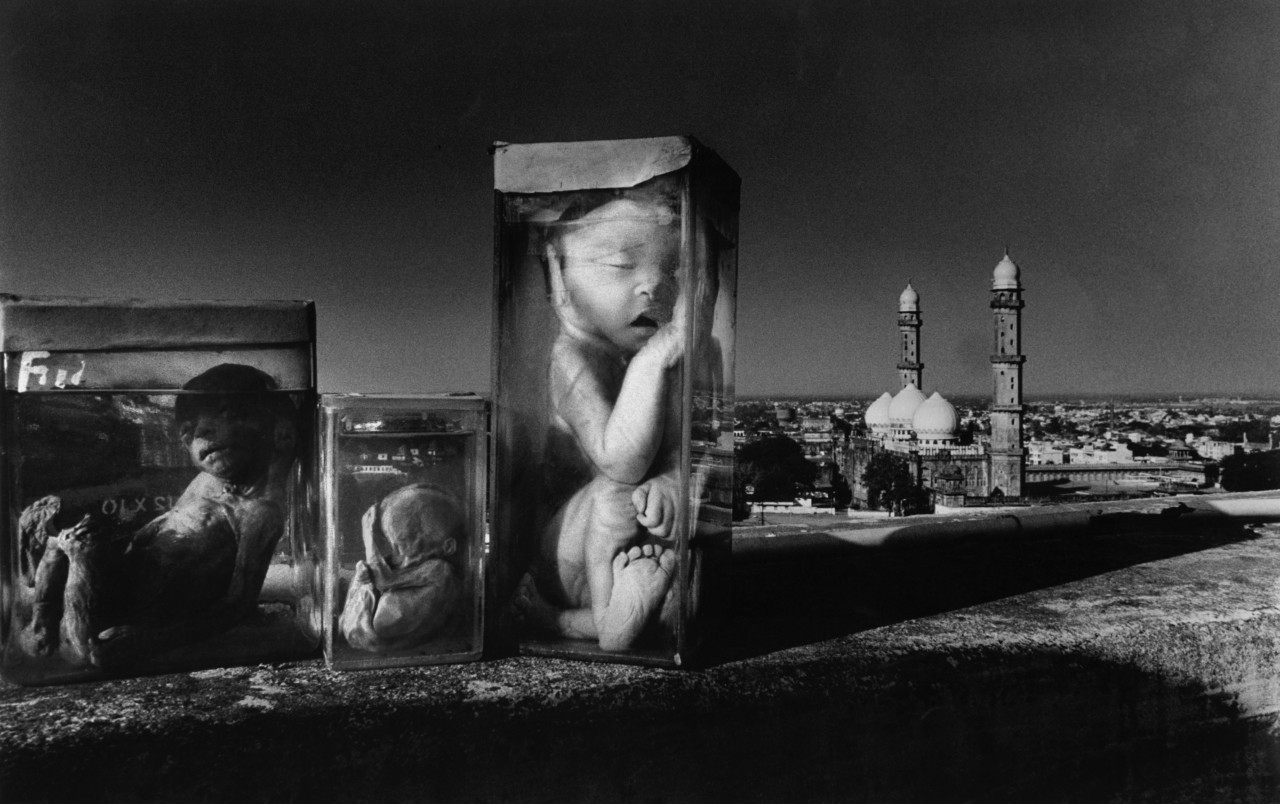
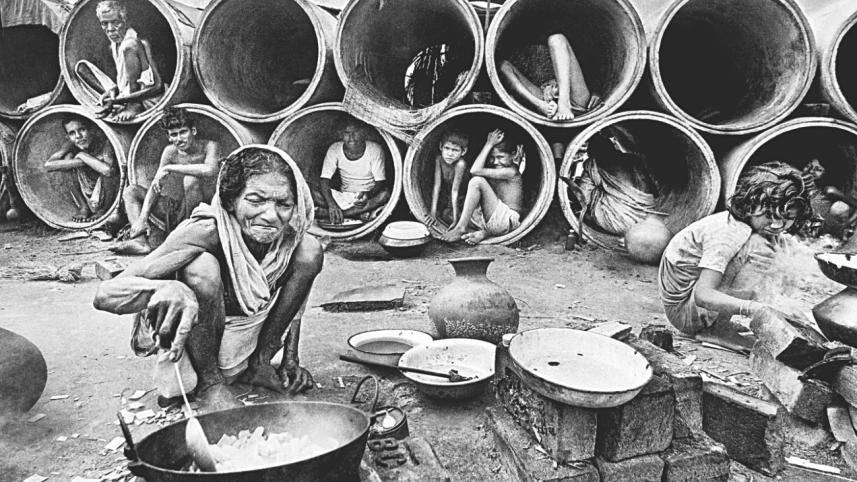
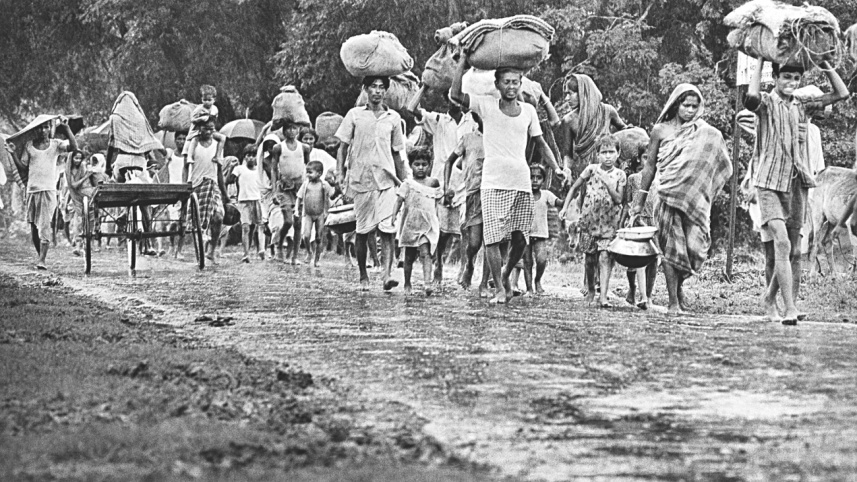
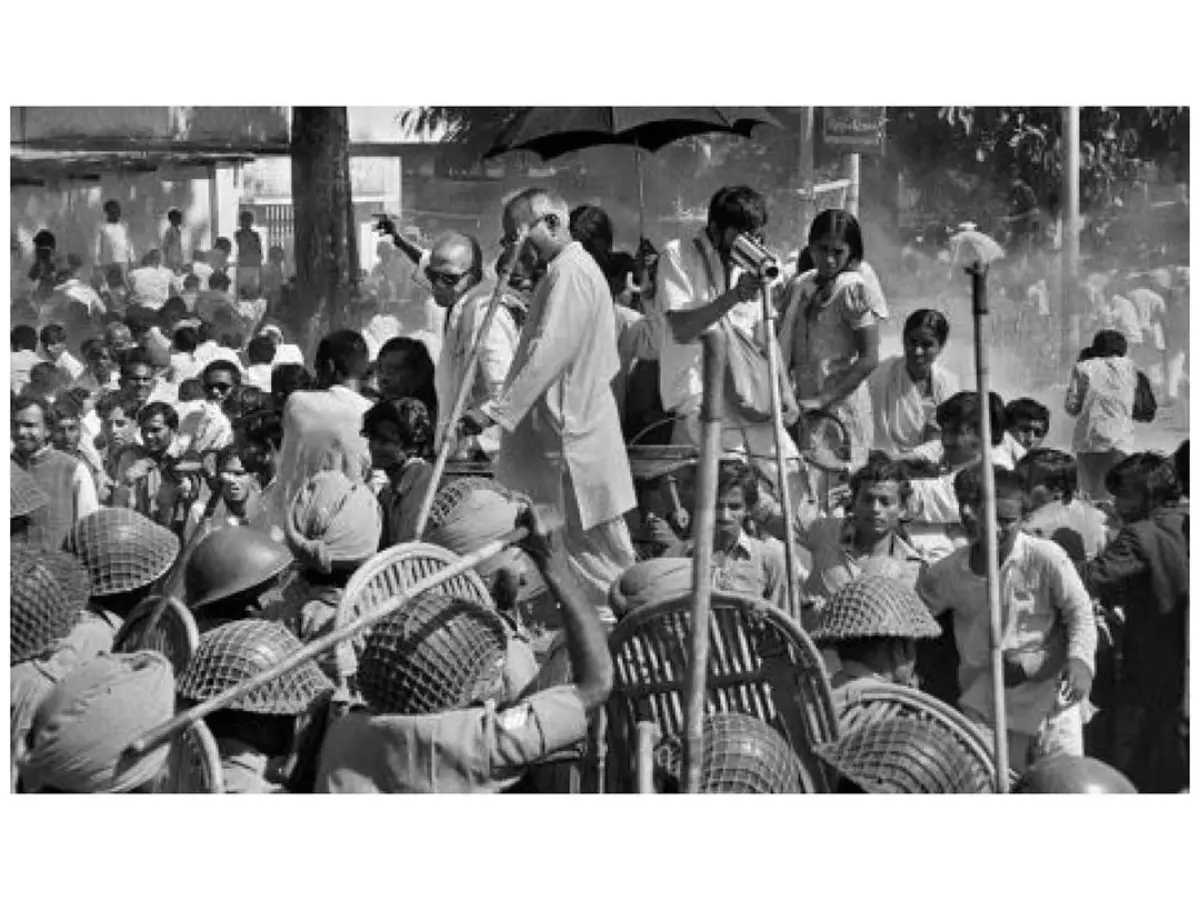
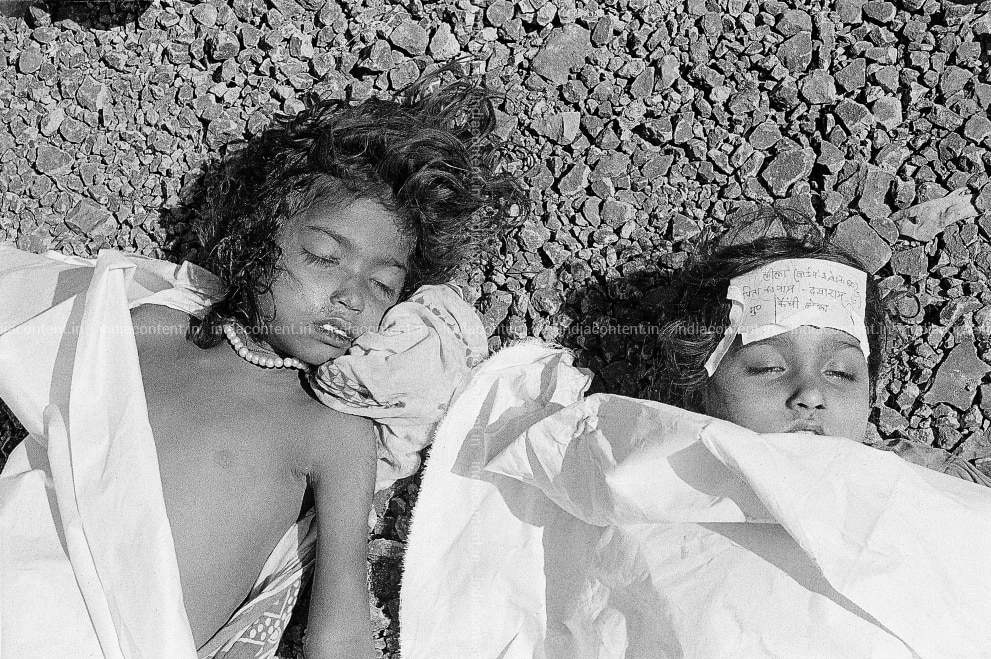
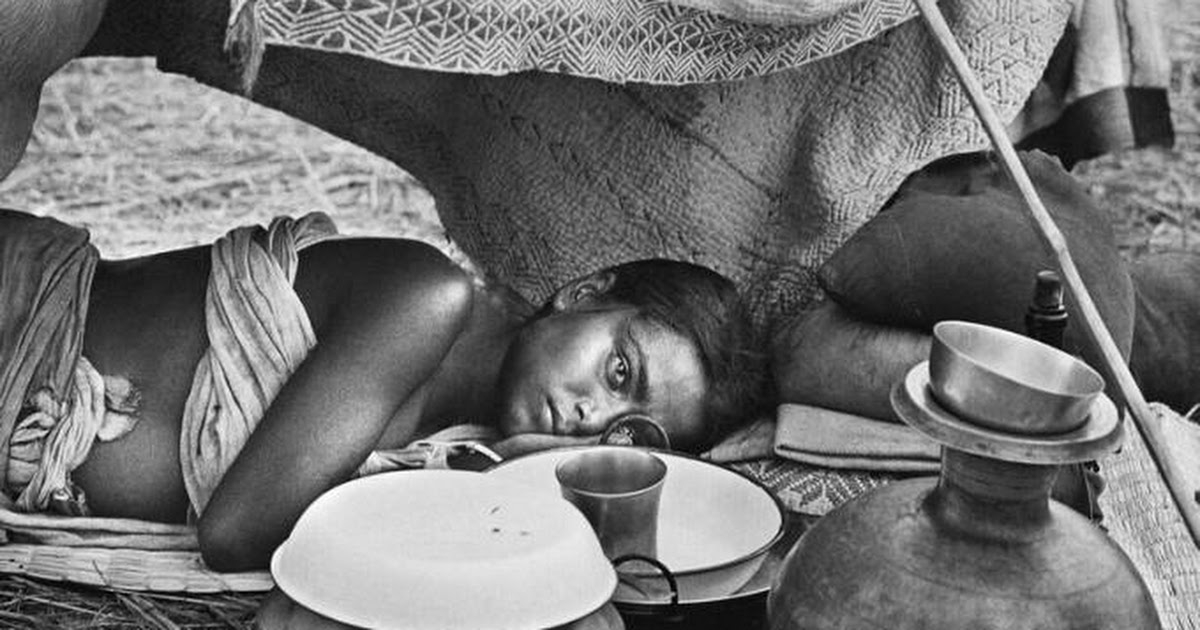
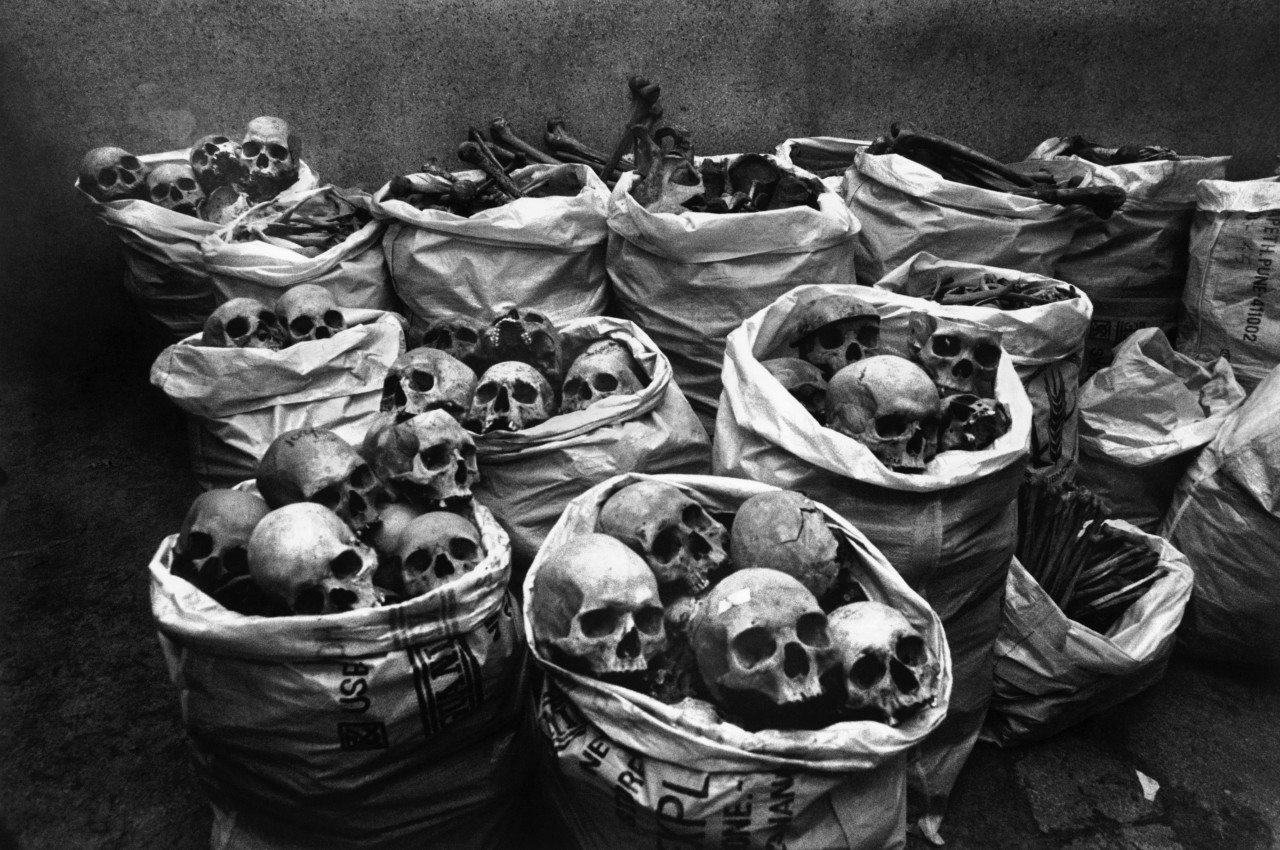
A protégé of Henri Cartier-Bresson, Rai documented defining moments in modern history, including the Bangladesh refugee crisis and the Bhopal gas tragedy. His haunting image of a child victim of Bhopal remains etched in public memory as a symbol of tragedy.
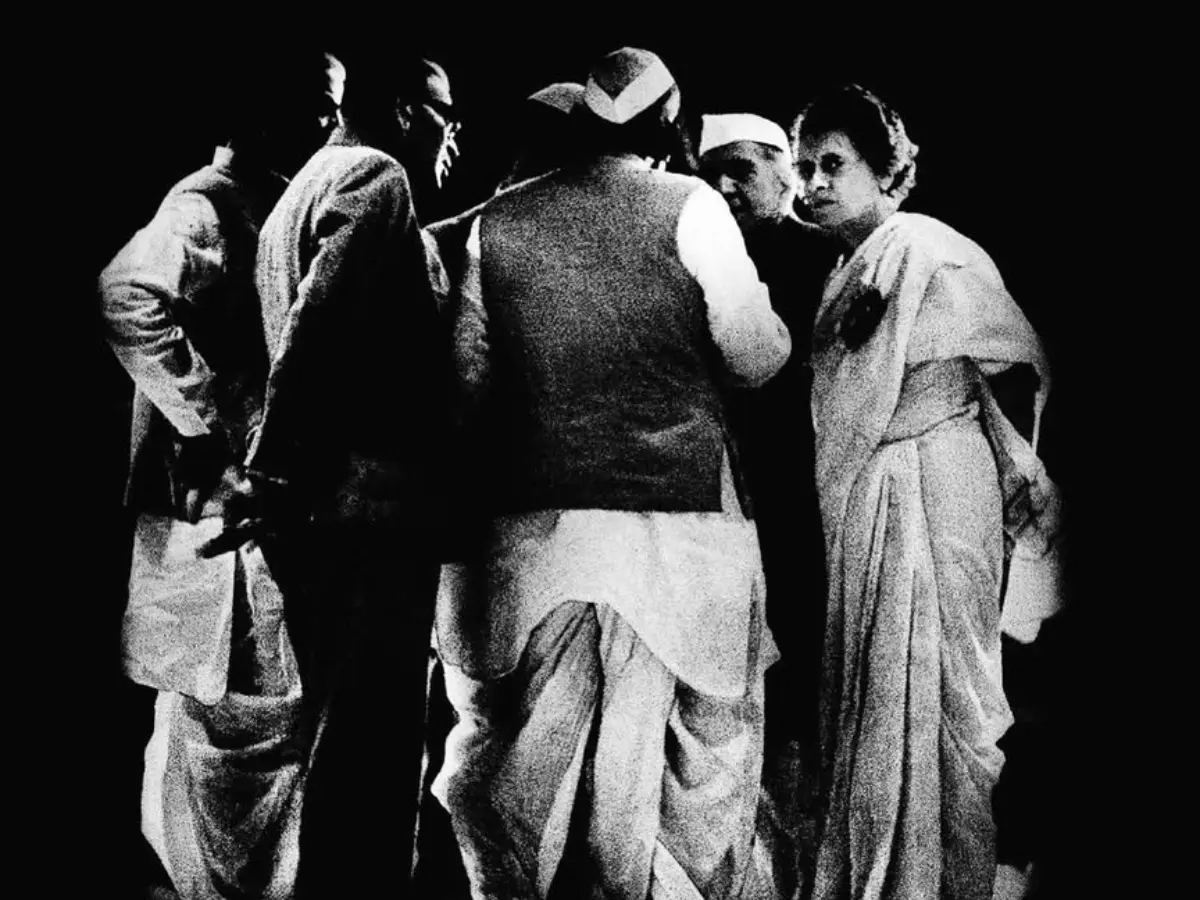
He also produced striking portraits of towering personalities such as Indira Gandhi, Dalai Lama, Mother Teresa, Satyajit Ray, Hariprasad Chaurasia and Bismillah Khan, capturing their intimate and human sides beyond public personas.
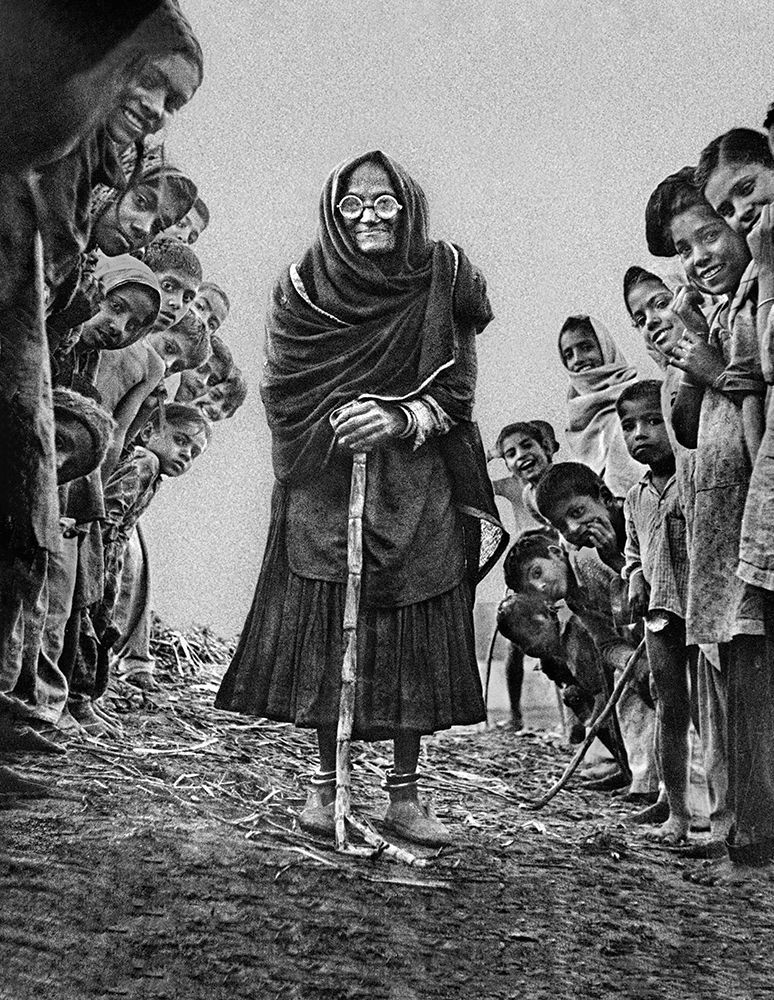
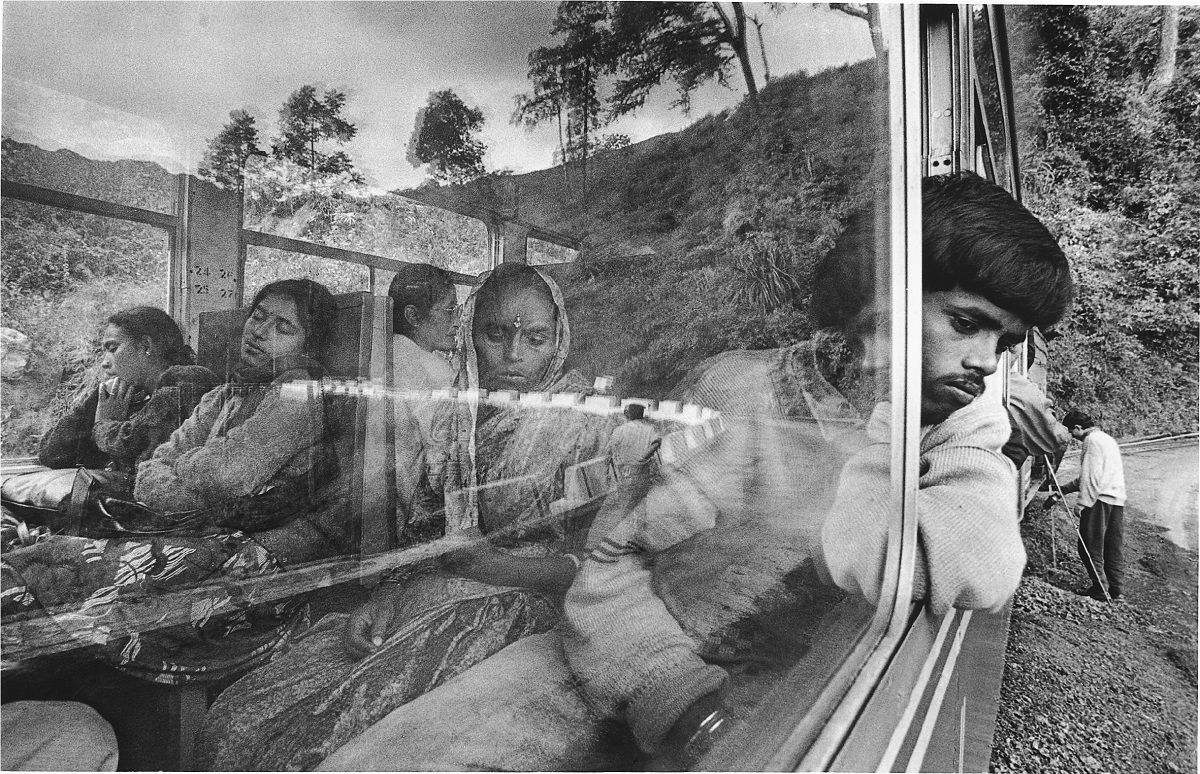
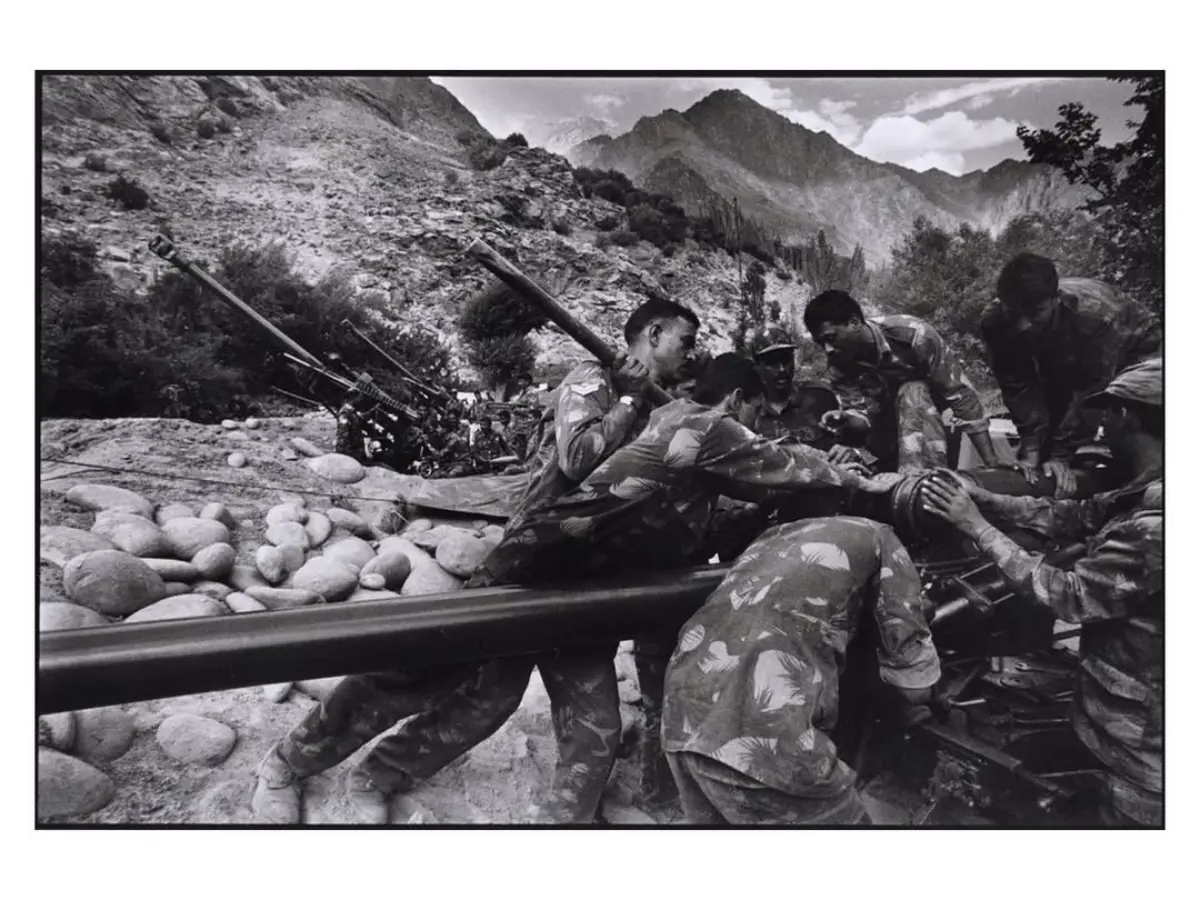
Yet, Rai’s enduring legacy lay in elevating ordinary Indian life . His largely black-and-white images transformed everyday moments into powerful visual narratives, marked by empathy and precision.
Reflecting on his craft in a 2023 interview, Rai said photography was about engaging with life’s constant change: “When you capture the essence of a moment, it becomes the visual history of tomorrow .”
His work on Varanasi remains among his most evocative, capturing the city’s spiritual rhythm from cremation rituals to the Ganga aarti at a time when it was “less aware of its own image”.
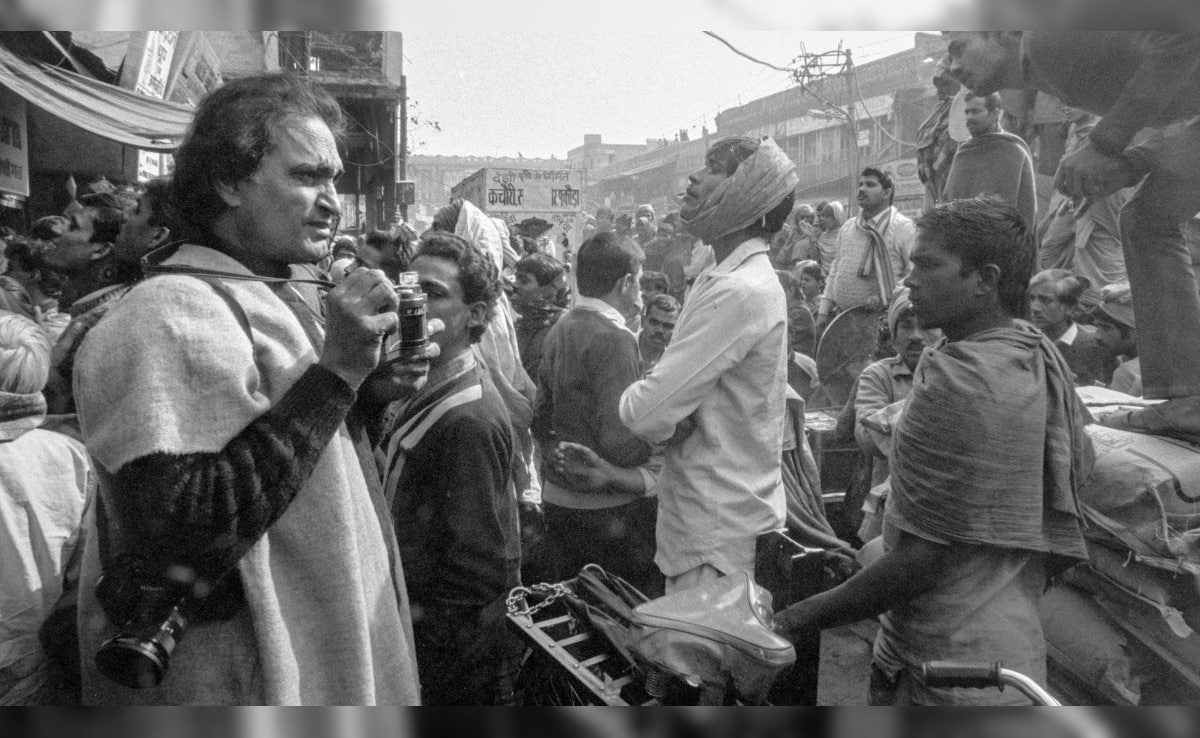
Photographer Aditya Arya said Rai redefined Indian photojournalism by immersing himself in the scene. “He would be in the middle of the action. Today, photographers often work from a distance, but his images show the power of proximity,” he noted.
Samar Jodha remembered Rai’s relentless passion. “He had ‘junoon’ a burning need to stay true without compromise,” he said, highlighting his focus on stories of ordinary people.
Over the years, Rai worked with leading publications such as Sunday and India Today, while his photo essays appeared in global outlets including Time, Life, The New York Times, The Independent and The New Yorker. He was nominated to join Magnum Photos in 1977.
Rai served three times on the jury of World Press Photo and twice for UNESCO’s international photo contest.
He was honoured with the Padma Shri in 1972 for his coverage of the Bangladesh war and later received France’s Officier des Arts et des Lettres. His National Geographic essay “Human Management of Wildlife in India” earned him the Photographer of the Year award in the United States.
Rai authored several books, including Raghu Rai’s India: Reflections in Colour and Reflections in Black and White and Exposure: Portrait of a Corporate Crime. At the time of his death, he was working on his 57th book. The Raghu Rai Foundation, established in 2010, has archived over 50,000 images.
Tributes poured in from across the spectrum. Rahul Gandhi said Rai preserved “our nation’s memory”, while Priyanka Gandhi praised his portrayal of ordinary lives. Shashi Tharoor called his contribution “unparalleled”, and Naveen Patnaik described his work as “living histories”. Writer Varun Grover termed him a “silent storyteller”.
Rai’s last rites were performed at Lodhi Crematorium on Sunday, marking the end of an era in Indian visual storytelling .