
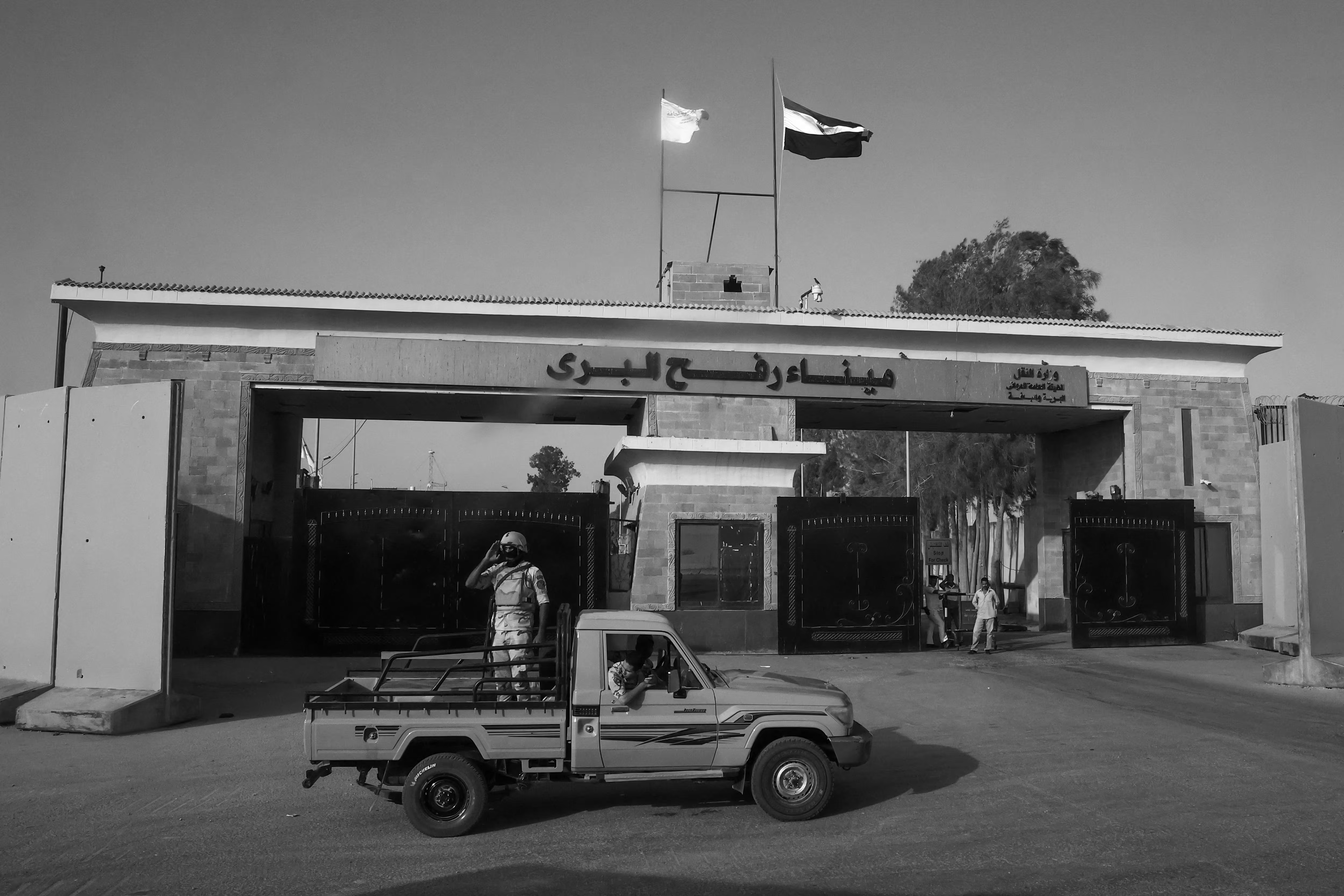
Rafah border crossing set to reopen under Ceasefire plan, easing Gaza’s isolation
Israel announced on Friday that it will reopen Gaza’s Rafah border crossing with Egypt in both directions over the weekend, permitting limited movement of Palestinians for the first time in nearly two years.
The Coordinator of Government Activities in the Territories (COGAT), the Israeli military body responsible for coordinating civilian affairs in Gaza, said in a statement that only “limited movement of people” would be allowed under the new arrangement. The crossing is scheduled to reopen on Sunday.
The Rafah crossing, Gaza’s primary gateway to the outside world, has remained largely closed since May 2024 amid intensified hostilities between Israel and Hamas. Its reopening forms a key step in advancing the Gaza ceasefire framework proposed by US President Donald Trump .
Under the new mechanism, both Israel and Egypt will screen individuals seeking to exit or enter Gaza, while European Union border patrol agents will supervise operations at the crossing. Palestinians who left Gaza during the war will be allowed to return, subject to Israeli security clearance.
Israel had previously resisted reopening the crossing, citing security concerns. However, the recovery of the remains of the last Israeli hostage held in Gaza earlier this week removed a major obstacle and paved the way for the decision.
Officials say the reopening is expected to ease humanitarian pressures on Gaza’s population by allowing medical patients, students and separated families to travel. It is also likely to facilitate greater coordination of aid and civilian movement, which had been severely restricted since the closure.
Analysts note that while the move signals progress in confidence-building measures between the parties, the impact will initially be limited due to strict controls on who can cross. Nevertheless, the reopening is viewed as an important symbolic and practical step toward stabilising the fragile ceasefire and restoring a degree of normalcy to civilian life in the besieged enclave.
The Rafah crossing has long been a critical lifeline for Gaza’s two million residents, and its partial reopening could reduce isolation, improve access to healthcare and education abroad, and strengthen Egypt’s role as a mediator in the conflict.