
Race for Next UN Chief Heats Up as Candidates Outline Visions for Global Leadership
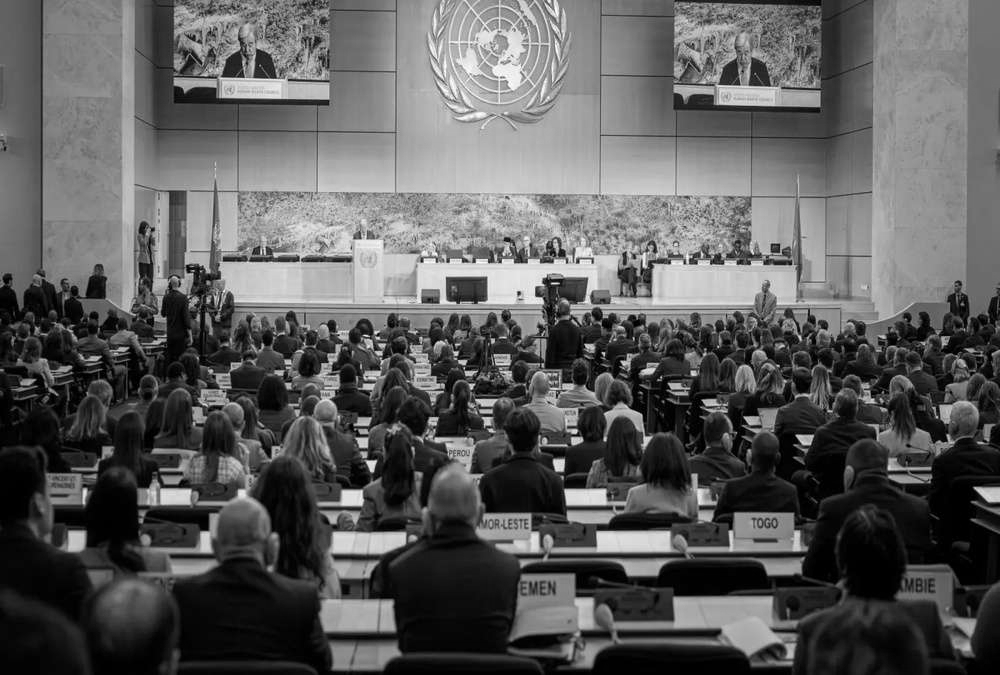
The race to choose the next Secretary-General of the United Nations is intensifying, with four leading candidates presenting their visions for the world’s top diplomatic post during a closely watched series of questioning sessions at UN headquarters.
The contenders Chile’s Michelle Bachelet, Argentina’s Rafael Grossi, Costa Rica’s Rebeca Grynspan, and Senegal’s Macky Sall were grilled by UN ambassadors on pressing global issues ranging from conflict resolution and poverty reduction to institutional reforms. The sessions have been described by UN General Assembly President Annalena Baerbock as one of the most challenging “job interviews” in global diplomacy.
The current UN chief, António Guterres , is set to step down on January 1, prompting the search for a successor to lead the 80-year-old institution through rising geopolitical tensions and humanitarian crises.
All four candidates emphasized the UN’s core mandate of maintaining international peace and security, promoting sustainable development, and protecting human rights. However, each outlined distinct priorities and leadership approaches.
Bachelet, a former Chilean president and ex-UN human rights chief, called for stronger preventive diplomacy and greater field presence by the UN leadership. Grossi, head of the International Atomic Energy Agency, stressed the need to rebuild global trust in the institution amid rising polarization. Grynspan, who leads the UN trade and development agency, urged the UN to take greater risks and become more proactive in addressing global challenges. Sall, former president of Senegal, positioned himself as a “bridge-builder” focused on restoring trust and unity within the international system.
Despite the high-profile presentations, observers noted that no clear frontrunner has emerged, with candidates carefully balancing diplomatic sensitivity and political positioning.
The selection process now moves to the 15-member UN Security Council, where the five permanent members the United States, Russia, China, the United Kingdom, and France will play a decisive role . The final appointment will require approval from the UN General Assembly.
Analysts say the next Secretary-General is expected to face growing pressure to make the UN more responsive and decisive in addressing conflicts in regions such as Gaza, Ukraine, Sudan, and beyond, where global divisions have limited collective action.
The outcome of the race will determine the leadership direction of the world body at a time when demands for stronger international cooperation are intensifying.