
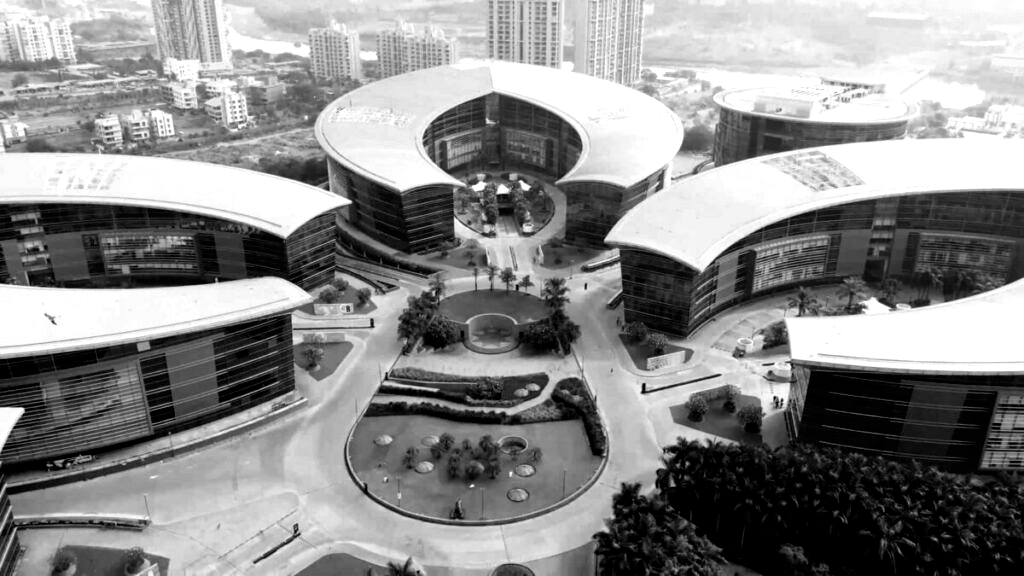
Pune set to explode with IT growth
Pune is gearing up for a massive IT expansion with the Maharashtra government approving a new IT park in Purandar taluka, near the proposed Pune International Airport and logistics hub. This move aims to ease the pressure on the existing Hinjewadi IT hub, which is facing saturation and infrastructure bottlenecks, and to prevent companies from relocating outside the state due to delays and congestion. With Pune already being a key IT destination, this new development could further cement the city’s position as a technology powerhouse in western India.
The project involves transferring 1,500 acres of government land in the villages of Dive, Chambali, and Kodit to the IT park. Maharashtra’s Industry Minister, Uday Samant, directed officials to begin land acquisition, and the Industry Department has formally requested the Revenue Department to hand over the identified land. Since the land is government-owned, officials expect the acquisition process to proceed smoothly and quickly, potentially enabling companies to start operations within a few years. Shiv Sena MLA Vijay Shivthare, who had long advocated for the project, emphasized that it will boost local infrastructure, create jobs, and reduce traffic congestion at Hinjewadi, making Pune a more attractive destination for IT firms.
The decision comes after Deputy Chief Minister Ajit Pawar visited Hinjewadi, warning that infrastructure delays were pushing companies to consider moving outside Maharashtra. Road widening and infrastructure upgrades are now being expedited, but the Purandar IT Park represents a long-term solution to absorb future IT growth. Analysts note that having a new IT hub near an upcoming international airport is strategically advantageous, as it will facilitate logistics, international business travel, and overall connectivity for tech companies.
Economically, the new park could trigger a ripple effect in the region,boosting real estate, retail, housing, and services, while creating thousands of direct and indirect jobs. Unlike Hinjewadi, which struggles with traffic and urban congestion, Purandar offers ample space for future expansion, potentially allowing Pune to accommodate the next generation of IT giants, startups, and global tech firms.
Critically, while the project promises growth, it will require careful planning to ensure environmental sustainability, proper infrastructure for employees, and connectivity to the city. Past IT expansions in India have often faced delays due to land disputes, environmental clearances, and infrastructure gaps, so timely execution will be key to its success.
In short, Maharashtra’s Purandar IT Park is not just a land transfer,it is a strategic investment in Pune’s future as an IT hub, designed to solve Hinjewadi’s bottlenecks, attract new businesses, and fuel economic growth in the region for the next decade.