
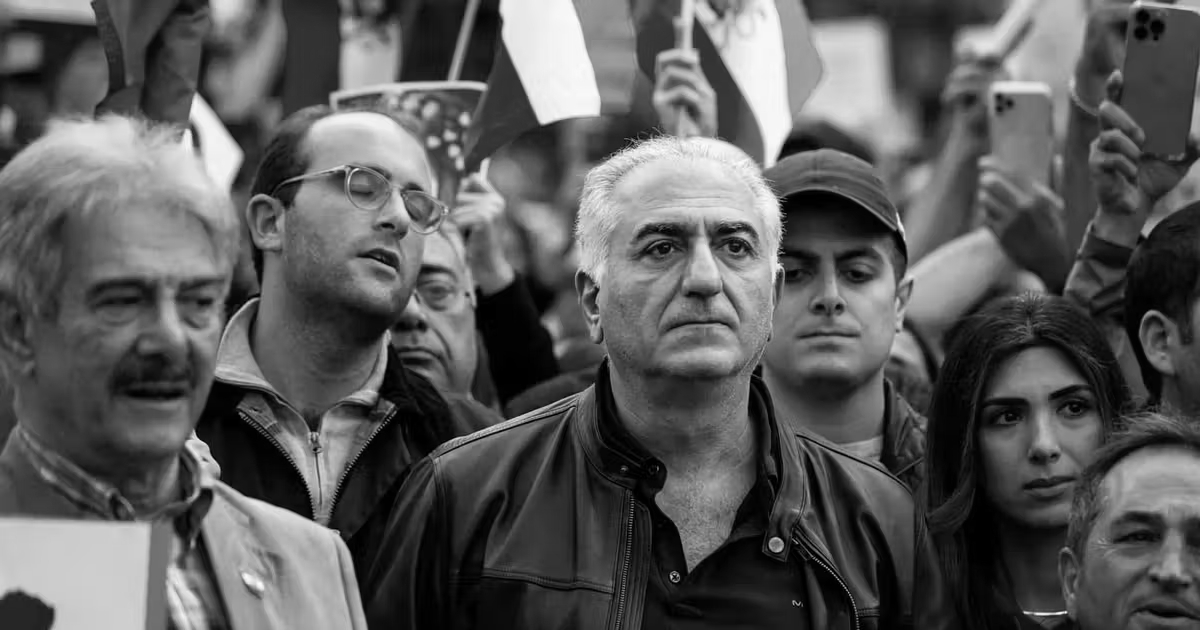
Protests enter 11th day across Iran as Prince Reza Pahlavi joins anti-regime rallies, calls for democracy
Iran’s nationwide protests have entered their 11th day, spreading across at least 27 of the country’s 31 provinces . What began in late December as demonstrations over the collapsing rial, skyrocketing inflation, and rising costs of living has escalated into a far-reaching political crisis. Streets in Tehran, Isfahan, Shiraz, Mashhad, Abadan, and Kurdish-majority regions now resemble war zones , with widespread clashes between protesters and security forces.
At least 36 people have been killed, around 60 injured , and more than 2,000 arrested , according to human rights groups. Many casualties are reported to have resulted from live ammunition, pellet guns, and tear gas. Families of the victims have criticized the regime for providing no credible official figures, deepening public anger and mistrust. The government has not released comprehensive reports on casualties or arrests, leaving the true scale of the unrest uncertain.
Chants and slogans have grown increasingly defiant, signaling a shift from economic demands to direct challenges to Iran’s leadership. Protesters have been heard shouting “ shameless ” at authorities and declaring, “ This year is the year of blood, Seyyed Ali Khamenei will be overthrown ,” reflecting mounting frustration and anger. Demonstrators have blocked roads, staged strikes in bazaars, and organized walkouts in key industrial areas, intensifying the sense of national paralysis.
The involvement of Reza Pahlavi, son of Iran’s last shah,Mohammad Reza Pahlavi ,has taken the protests to a new dimension. His participation has added political direction, international visibility, and momentum to a movement that began as an economic revolt. Pahlavi has urged the Iranian armed forces and security personnel to protect civilians rather than suppress them and has launched a platform encouraging defections from regime-linked institutions, claiming thousands have already joined. He has outlined a roadmap for transitioning Iran to a secular democratic system through a national referendum and praised coordinated protest actions planned for evening hours, including a widely anticipated escalation at 8 p.m., despite strict internet restrictions and censorship.
Government authorities have responded with a combination of force and warnings. Senior judicial and security officials have declared zero tolerance for “unrest and sabotage,” while additional forces have been deployed to sensitive areas. President Masoud Pezeshkian has acknowledged the country’s economic challenges and promised reforms, including subsidies and monetary policy adjustments, though critics argue these measures are insufficient to address the crisis.
The protests now encompass a broad spectrum of Iranian society, including market traders, students, workers, and minority communities . With the rial (currency of Iran) at historic lows and daily hardship increasing, the movement is seen as a critical test for the regime. The coming days are likely to determine whether the unrest can be contained or escalates further, as protesters continue to challenge both economic mismanagement and political authority across the country.