
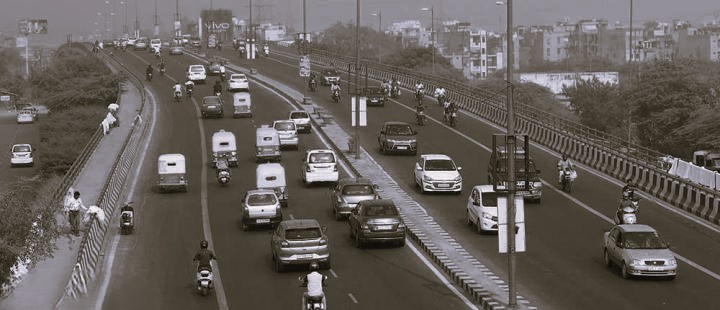
Promises vs. reality: India’s road infrastructure under Gadkari
Union Minister Nitin Gadkari has repeatedly vowed to elevate India’s roads to U.S. standards, setting shifting deadlines over the years: 2020 promised 2022, 2022 promised 2024, 2024 promised 2026, and 2025 promised 2027. Yet for many commuters, these deadlines remain little more than political rhetoric, as potholes, uneven lanes, and unsafe stretches continue to dominate daily travel.
Under Gadkari’s tenure in the Ministry of Road Transport and Highways, India has constructed over 2.75 lakh km of national and state highways since 2014, including several high-quality expressways like the Mumbai–Nagpur Expressway, Eastern Peripheral Expressway, and Bangalore-Chennai corridor, which showcase world-class engineering standards. These projects have improved travel times and connectivity across regions, benefiting trade, logistics, and long-distance travel.
Adding to his list of ambitious announcements, Gadkari recently claimed that all solid waste in India will be used for road construction by 2027, with 80 lakh tons already segregated for projects. This initiative, if implemented effectively, could reduce landfill pressure, cut construction costs, and promote sustainable road-building practices. Critics, however, argue that it risks being another “on-paper” promise unless proper quality control, technology, and long-term maintenance are ensured.
The reality on the ground remains stark. In 2023, over 4.8 lakh road accidents resulted in nearly 1.72 lakh deaths, many linked to poor road conditions, potholes, and inadequate maintenance. Incidents such as the crushing of a 14-year-old girl under a truck in Surat or the NH-48 explosion in Rajasthan underline the human cost of delayed or poorly executed infrastructure projects.
Observers note a worrying pattern: while grand promises often coincide with lucrative construction contracts, tangible improvements for everyday commuters are slower. Roads may be built on paper, yet they rarely meet the safety or quality standards claimed in official announcements. Without stringent accountability and maintenance mechanisms, world-class highways risk remaining exceptions, while potholes, accidents, and public frustration continue to grow.