
Project Cheetah Records Strong Growth As India’s Wild Cheetah Population Rises To 53
India’s flagship wildlife restoration programme, Project Cheetah , has reported steady progress, with the wild cheetah population in the country rising to 53 , according to a high-level review held under the chairpersonship of Union Environment Minister Bhupender Yadav.
The meeting, convened by the Ministry of Environment, Forest and Climate, reviewed the status of the reintroduction programme and outlined the next phase of expansion and consolidation.
Launched as a pioneering conservation effort to reintroduce cheetahs in India after their local extinction in 1952 , Project Cheetah began with the translocation of 20 cheetahs from Namibia and South Africa , later supplemented by nine cheetahs from Botswana through international cooperation and scientific planning.
Since the launch of the project, 14 cheetahs have died , with officials attributing most deaths to causes such as septicaemia linked to radio collars, injuries during territorial fights, infections, and health complications in the wild , highlighting the challenges associated with large carnivore translocation and adaptation.
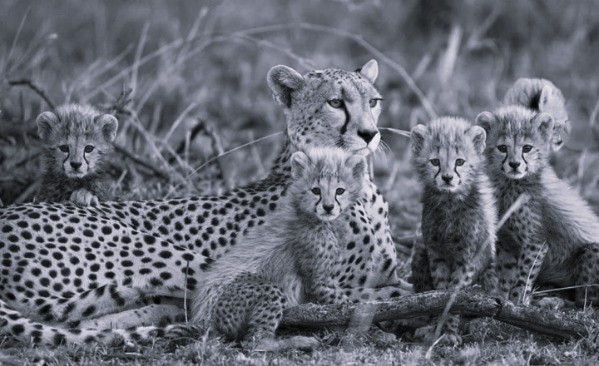
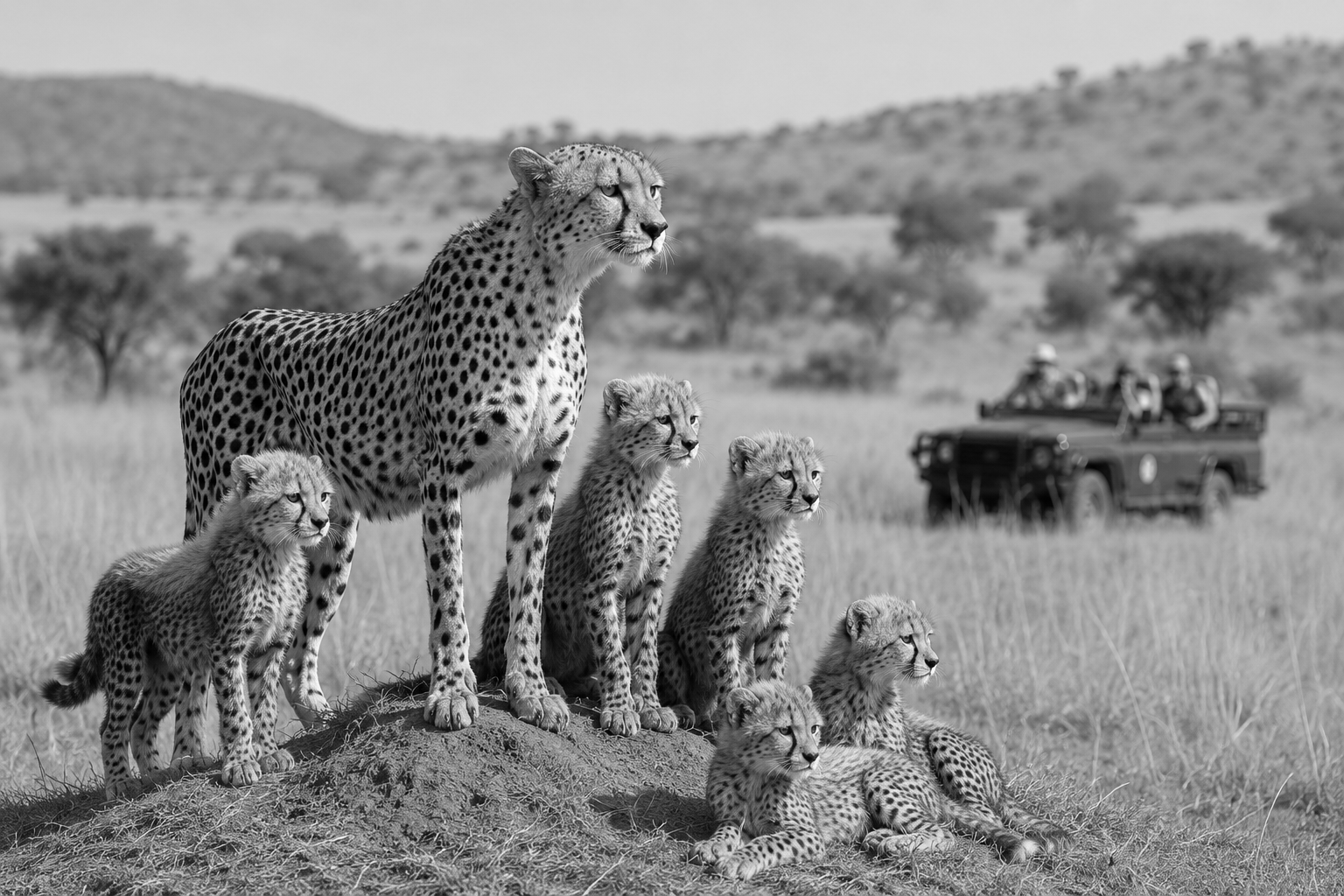
Officials informed that the current population stands at 53 cheetahs , including 33 Indian-born cubs , indicating successful breeding and adaptation under Indian conditions. The report noted that survival rates of both introduced cheetahs and cubs are broadly in line with, and in some cases better than, global benchmarks.
According to the review, cheetahs are demonstrating stable adaptation patterns , including effective prey utilisation, normal physiological behaviour, and limited signs of stress. This is being attributed to structured monitoring systems and habitat management practices.
The programme follows a landscape-based conservation model , with Kuno National Park serving as the primary habitat. Gandhisagar Wildlife Sanctuary has been developed as a secondary site, while preparations are underway for expansion into other potential habitats, including the Banni grasslands in Gujarat and Nauradehi Wildlife Sanctuary in Madhya Pradesh .
Officials also highlighted plans to build a broader metapopulation framework , enabling genetic exchange across multiple sites. Continued sourcing of cheetahs from African nations is being considered to maintain genetic diversity and support long-term population stability.
The Ministry said the next phase will focus on expansion, habitat readiness, and scientific management , alongside strengthening ecological corridors across central India to support dispersal.
Project Cheetah has been described as a globally significant conservation initiative, aimed not only at restoring the species in India but also at strengthening open ecosystem conservation.