
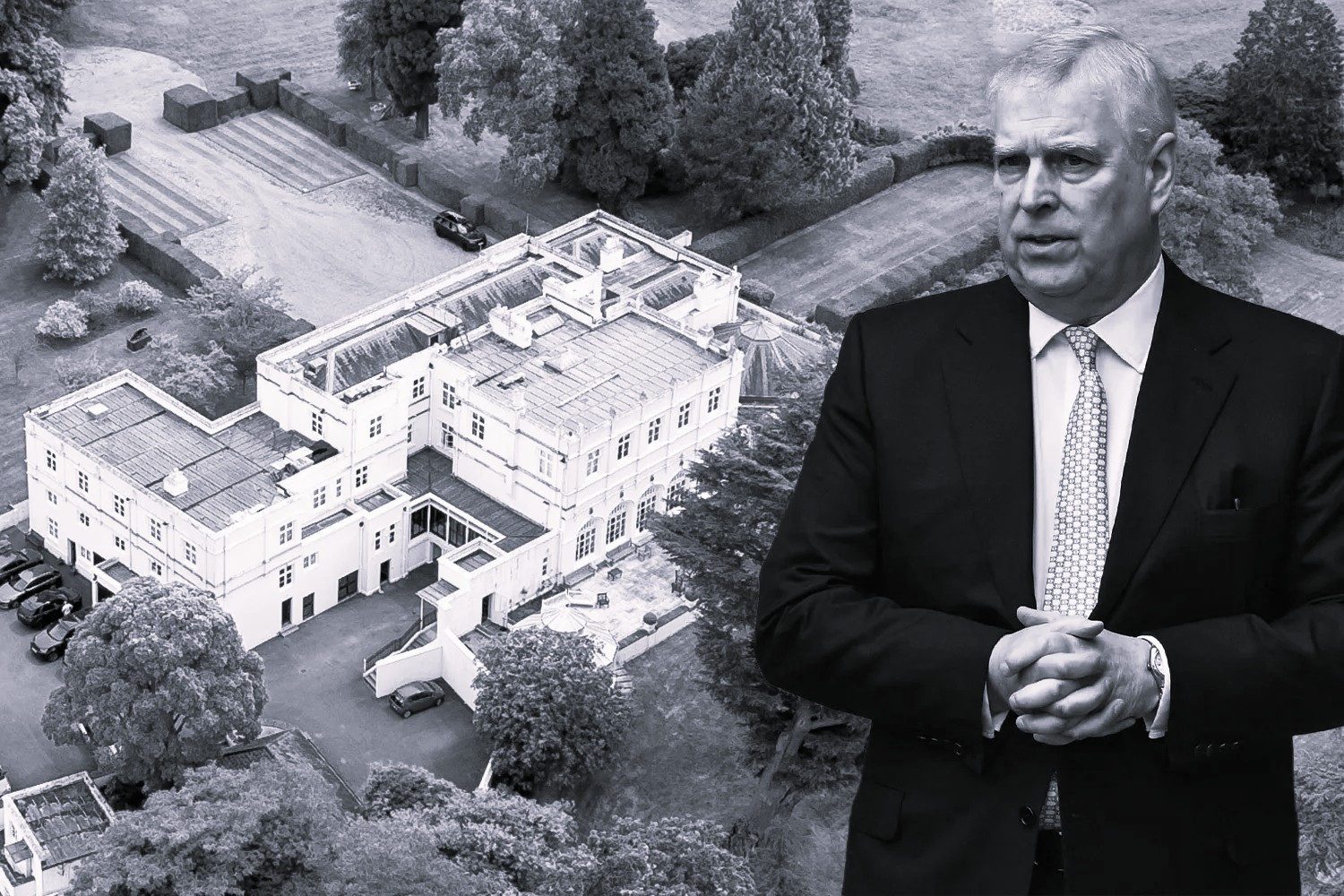
Prince Andrew stripped of all titles after Virginia Giuffre’s memoir
In a move to protect the monarchy’s credibility, King Charles III has stripped his brother, Prince Andrew, of all royal titles and honours, including his title as Duke of York, following renewed controversy triggered by the release of Nobody’s Girl , the posthumous memoir of Virginia Giuffre, the woman who accused him of sexual abuse.
Buckingham Palace, in an official statement, said:
“His Majesty The King has initiated a formal process to remove the style, titles, and honours of Prince Andrew. The individual formerly known as His Royal Highness The Duke of York will henceforth be known as Andrew Mountbatten-Windsor. The decision follows extensive discussions within the family and reflects His Majesty’s wish to uphold the integrity of the Crown.”
Palace officials confirmed that Andrew will move immediately from the Royal Lodge in Windsor, his longtime residence, to a smaller private home within the Windsor estate, where he will live under a private tenancy. He will no longer participate in royal ceremonies or family celebrations, including the annual Christmas gathering.
Prince Andrew, in a personal statement issued shortly after the announcement, said:
“In discussion with The King, and my immediate and wider family, we have concluded the continued accusations about me distract from the work of His Majesty and the Royal Family. I have decided, as I always have, to put my duty to my family and country first. I stand by my decision five years ago to stand back from public life.”
According to royal sources, senior members of the royal family, including Prince William, were consulted before the decision was finalised. The move takes effect immediately.
A Memoir That Reopened Old Wounds
The storm surrounding Prince Andrew reignited with the publication of Nobody’s Girl: A Memoir of Surviving Abuse and Fighting for Justice , written by Virginia Giuffre and released earlier this month.
The memoir offers a searing account of her years under Jeffrey Epstein’s trafficking network and details her alleged encounters with Prince Andrew when she was 17, claims he has consistently denied.
Giuffre’s book, completed before her death in early 2025 due to health complications, reflects her determination to ensure her story lived on. In one of its most poignant passages, she writes that “no title, power, or privilege should ever stand above the truth.”
Her family has called the King’s decision to strip Andrew of his titles a “moment of long-awaited justice” and “a victory for survivors worldwide.”
The memoir’s release, coupled with intense media attention, reportedly prompted Buckingham Palace to accelerate its review of Andrew’s remaining royal privileges.
From BBC Interview to Public Disgrace
Prince Andrew’s public downfall began in 2019, after his infamous BBC Newsnight interview where he defended his friendship with convicted sex offender Jeffrey Epstein and claimed he had “no recollection” of ever meeting Giuffre, despite photographic evidence.
His lack of empathy and evasive responses sparked widespread outrage, forcing him to step back from royal duties and sever ties with numerous charitable organisations.
In 2022, Andrew reached an undisclosed out-of-court settlement with Giuffre to avoid a U.S. civil trial. Though he admitted no wrongdoing, the settlement drew criticism for appearing to buy silence rather than provide accountability.
That same year, he was stripped of his military titles and royal patronages, though he retained the Duke of York title, until now.
The Yang Tengbo Connection
More recently, Andrew came under scrutiny for his alleged ties with Yang Tengbo, a suspected Chinese intelligence operative. Court filings revealed that Yang had represented Andrew in business meetings with Chinese investors in the U.K.
In December 2024, a U.K. tribunal banned Yang from entering Britain following a government inquiry that exposed her frequent communications with the prince. Yang denies all espionage claims. The revelations compounded pressure on the monarchy to address Andrew’s associations and conduct.
Despite mounting allegations, Prince Andrew faces no criminal charges in either the U.K. or the U.S. His settlement with Giuffre remains civil, and no credible new evidence has led to criminal prosecution. Legal experts stress that any potential charges would require substantial fresh proof.
Palace insiders, however, say Andrew resisted giving up his titles voluntarily, believing he was condemned by public opinion, not law. He reportedly argued that surrendering them would imply guilt. King Charles ultimately intervened, concluding that the survival of the monarchy must outweigh family ties.
A Tradition of Royal Discipline
The decision reflects a long-standing royal principle: the Crown comes before family. For centuries, British monarchs have acted decisively to contain internal scandals.
King Charles’s decision mirrors his mother’s approach. “The monarchy’s strength lies in its ability to correct itself,” said a royal historian. “Charles knows that maintaining moral authority is essential for the institution’s survival.”
Andrew’s former wife, Sarah Ferguson, will now revert to her civilian name, while their daughters, Princess Beatrice and Princess Eugenie, will retain royal status.
A Fall Without Precedent
No senior member of the modern British royal family has faced such sweeping removal of titles. Though Andrew retains the courtesy title “Prince” as the late Queen’s son, he has effectively become a private citizen.
His downfall accelerated by a memoir, family resolve, and unrelenting public scrutiny - signals a defining moment for the monarchy.
As one Buckingham Palace aide put it:
“The King’s decision was not just about Andrew - it was about protecting the institution that has survived wars, scandals, and centuries. The Crown must always endure.”