
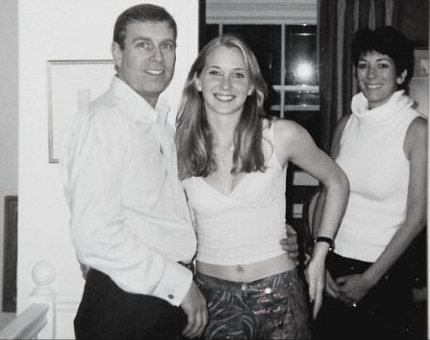
Prince Andrew gives up royal titles after 'discussion with the King'
Prince Andrew will no longer use his royal titles, including Duke of York, after King Charles decided to remove them, Buckingham Palace confirmed on Friday. This step comes amid ongoing controversies surrounding the prince, including past associations with convicted sex offender Jeffrey Epstein and alleged links to a suspected Chinese spy.
“In discussion with The King, and my immediate and wider family, we have concluded the continued accusations about me distract from the work of His Majesty and the Royal Family,” Prince Andrew said in a statement. “I have decided, as I always have, to put my duty to my family and country first. I stand by my decision five years ago to stand back from public life.”
The decision is effective immediately. Senior royal family members, including Prince William, were consulted before King Charles formally stripped Andrew of his royal titles and public honours, marking a historic step in the monarchy’s handling of internal controversies.
Andrew’s former wife, Sarah, Duchess of York, will now be referred to as Sarah Ferguson, while their daughters, Princess Beatrice and Princess Eugenie, retain their royal status. He will also no longer participate in royal family Christmas celebrations. Despite stepping back, he will continue to live at the Royal Lodge in Windsor under a private tenancy and retains the courtesy title of “prince” as a son of the late Queen Elizabeth II.
The prince’s public fall from grace began in 2019 after a widely criticised BBC “Newsnight” interview in which he defended his friendship with Epstein. In the interview, Andrew claimed he had no recollection of meeting Virginia Giuffre, one of Epstein’s alleged victims, despite photographic evidence. He attempted to justify his past relationship with Epstein, and many viewers found his lack of empathy for victims alarming. Following the backlash, Andrew stepped back from public duties.
His legal controversies include a 2015 civil lawsuit filed by Virginia Giuffre, who accused him of sexually abusing her while she was underage. Giuffre alleged she was trafficked by Epstein and forced to have sex with several of his associates, including Andrew, in London, New York, and the US Virgin Islands. Andrew has consistently denied all allegations. In 2022, he reached an undisclosed out-of-court settlement with Giuffre, avoiding a trial but attracting widespread criticism. During this time, he was stripped of his military titles and lost roles in multiple charitable organisations.
More recently, Andrew has faced scrutiny for alleged ties to Yang Tengbo, a suspected Chinese intelligence operative. Court documents revealed that Yang had close links to Andrew and was authorised to represent him in business meetings with Chinese investors in the UK. A UK tribunal ruling in December 2024 banned Yang from entering the country, and a government inquiry highlighted the extent of her interactions with Andrew. Yang denies any involvement in espionage.
It is important to note that while Andrew’s ties to Epstein and Yang have caused significant public and ceremonial consequences, he has not faced criminal charges in the U.K. or the U.S. The civil settlement with Giuffre is not an admission of guilt, and any potential criminal prosecution would require credible evidence. If convicted of serious crimes such as sexual assault of a minor, the penalties could include decades in prison, but no such criminal case has been initiated.
Historically, no senior member of the modern British royal family has gone to jail, making any criminal conviction of Prince Andrew unprecedented. His current situation primarily involves loss of titles, exclusion from public duties, and reputational damage, rather than legal punishment.