
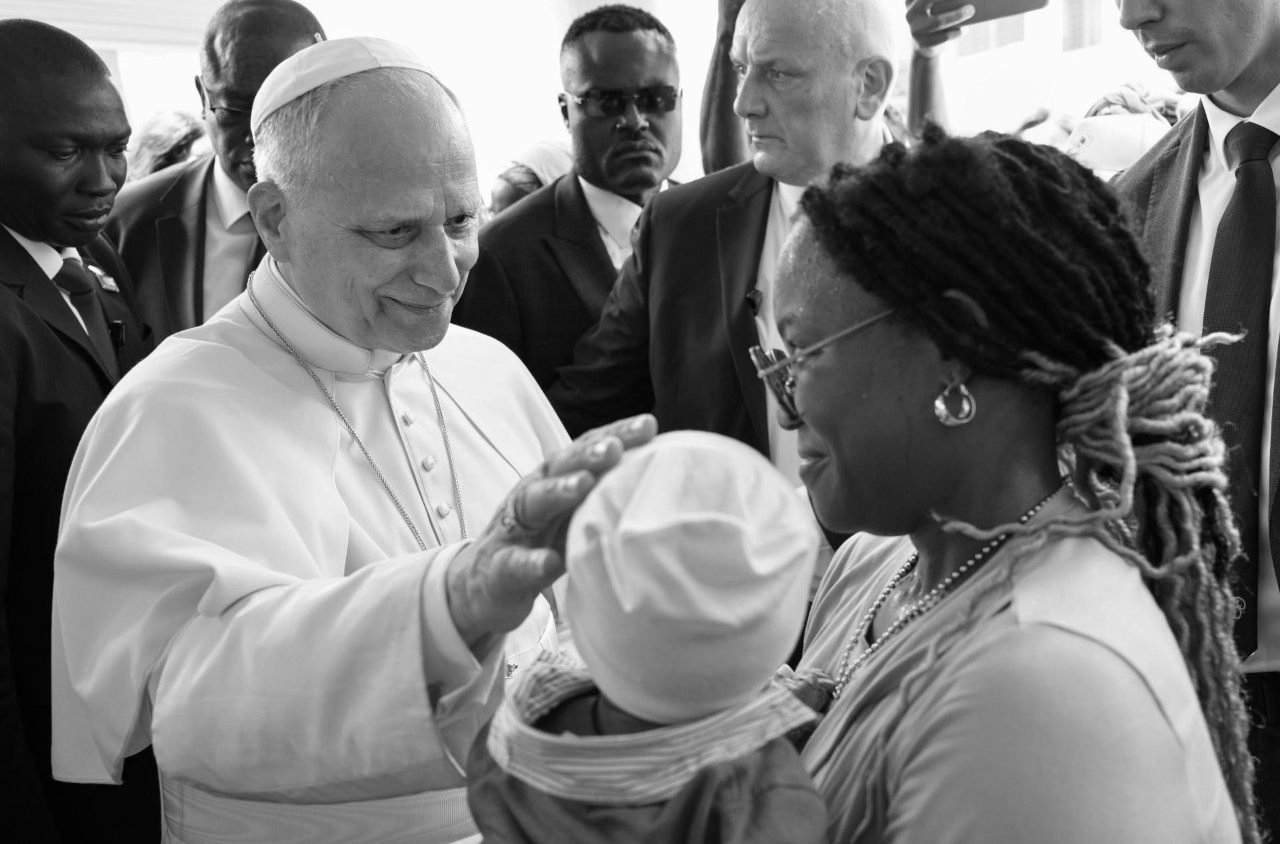
Pope Leo XIV’s Angola Visit Reframes Painful Past into Message of Faith and Reconciliation
Pope Leo XIV’s visit to Angola marks one of the most symbolically powerful moments of his first Africa tour , bringing global attention to a nation shaped by both deep historical trauma and resilient faith. At the heart of this visit lies the Church of Our Lady of Muxima , a site that embodies the complex intersection of religion, colonialism, and human suffering.
Built by Portuguese colonisers in the late 16th century, the Muxima church once stood as a critical node in the trans-Atlantic slave trade . Enslaved Africans were gathered there, baptised by priests, and then forced on a long march to Luanda before being shipped to the Americas. Angola would go on to become the single largest point of departure in the slave trade, with more than five million people taken from its shores. Today, that same site has evolved into a major Catholic pilgrimage centre, reflecting a profound transformation from a place of exploitation to one of spiritual devotion.
By choosing to pray the Rosary at Muxima, Pope Leo XIV is engaging directly with this painful legacy. His visit signals an attempt to reclaim and redefine the meaning of such spaces, turning them into symbols of reconciliation rather than oppression. For many African Catholics, the gesture carries deep emotional and spiritual significance, offering a chance to reframe history through faith and healing.
The visit also resonates on a personal level for the Pope. Born Robert Prevost, Leo XIV is believed to have Creole ancestry , with family roots that include both enslaved people and slave owners. This layered heritage mirrors the broader historical entanglements between Africa, Europe, and the Americas, adding a poignant dimension to his presence in Angola.
Beyond symbolism, the Pope’s visit addresses pressing contemporary challenges. Angola, despite its vast reserves of oil and diamonds, continues to grapple with poverty , inequality , and governance concerns. Decades after independence and a prolonged civil war, many citizens still struggle for basic economic and political rights. During his visit, Pope Leo has spoken about the exploitation of natural and human resources, calling for greater accountability , social justice , and ethical leadership.
His broader Africa tour underscores the growing importance of the continent within global Catholicism. With Africa now one of the fastest-growing regions for the Church, the Vatican is increasingly focusing on strengthening local engagement and elevating African voices within its leadership structures. Recent moves to promote African clergy reflect this shift, signalling a more inclusive and representative future for the Church.
Local leaders and members of civil society have expressed hope that the Pope’s visit will go beyond symbolism. Many see it as an opportunity to amplify calls for democracy, reduce inequality, and encourage the Church to play a more active role in advocating for the poor and marginalised.
Ultimately, Pope Leo XIV’s visit to Angola is not merely a religious journey. It is a moment of historical reckoning and moral reflection an effort to confront the shadows of the past while inspiring a vision of justice, dignity, and hope. By standing at Muxima, a place once marked by human suffering, and transforming it into a site of prayer, the Pope is sending a powerful message: that even the darkest chapters of history can be reimagined through compassion and collective renewal.