
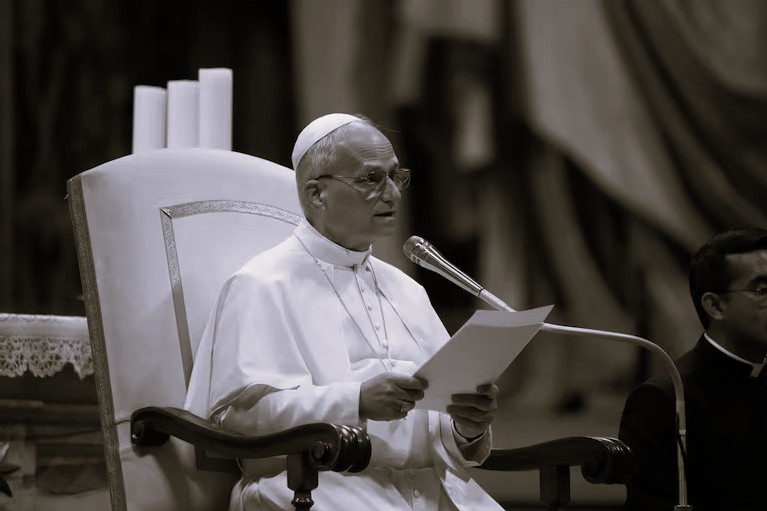
Pope Leo XIV reverses some of Francis’ controversial financial reforms
Pope Leo XIV has begun reversing some of Pope Francis’ more questionable financial reforms, canceling a law on Monday that had concentrated financial authority in the Vatican bank. Leo abrogated the 2022 law, which had decreed that management of the Holy See’s assets was the “exclusive responsibility” of the Institute of Religious Works (IOR). In his first executive decree, Leo introduced a new law on Monday stating that while the Holy See generally uses the IOR, it may also turn to non-Vatican banks in other countries if the Vatican’s investment committee “deems it more efficient or convenient” to do so.
The new law is the clearest sign yet that Leo is beginning to address some of Francis’ more controversial decisions and is recalibrating the Vatican’s centers of power. Under Francis, the IOR and its top manager had wielded significant influence. The 2022 law had surprised many in the Vatican because it appeared to contradict the Holy See’s founding constitution, which assigns the patrimony office (APSA) responsibility for administering the Vatican’s real estate and financial holdings. Even Francis recognized the issue and had intended to address it, Vatican officials said, but he passed away in April before he could implement changes.
Second major reform
This is the second significant move Leo has made in recent weeks to revise some of Francis’ policies. On September 27, he removed a top administrator from the Secretariat of State, sending him to Paris to serve as ambassador to UNESCO. Monsignor Roberto Campisi, a close associate of Francis, had been appointed by the late pope as president of a new fundraising commission created to solicit donations for the financially strained Holy See. The commission’s statutes and members, announced on February 26 while Francis was hospitalized, included only Italians with no professional fundraising experience.
The absence of qualified fundraisers, and the lack of any Americans who are among the largest donors to the Holy See—raised immediate questions about the commission’s credibility. Americans typically demand high levels of transparency and accountability, standards the Vatican has not always consistently followed. Campisi’s transfer suggests that Leo may be planning to revamp the commission and appoint new members to bolster its credibility and influence with key donors.
The new law was announced on the same day Leo met with the Knights of Columbus, the influential US Catholic charitable organization and major donor to the Holy See. In his remarks, Leo thanked the knights for their recent charitable contribution: the restoration of Bernini’s baldacchino canopy over the altar of St. Peter’s Basilica.
Ongoing financial trial
Monday also saw another development in the Vatican’s long-running financial trial, in which a cardinal was convicted of embezzlement and other charges. Francis had viewed the trial as a testament to his commitment to financial reform, but it was plagued by procedural irregularities and complaints from defense attorneys that their clients’ rights were being infringed under the Vatican’s absolute monarchy.
The trial is now in the appeals phase, with Vatican prosecutors attempting to salvage their case after a procedural error in their filing, followed by another error that rendered the filing inadmissible. On Monday, the appeals court adjourned the trial until February 3, allowing time for the Vatican’s high court to review the prosecutors’ motions. The court consists of four Francis loyalist cardinals, none of whom have a judicial background.