
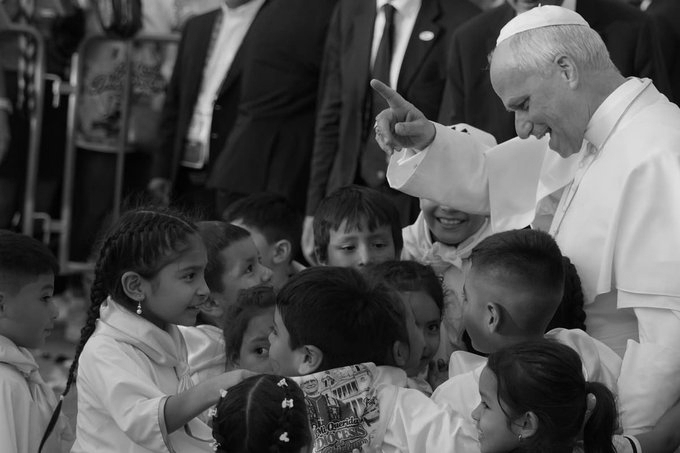
Pope Leo XIV Denounces Humiliation Of Enslaved Africans, Acknowledges Church’s Role In Slave Trade
Pope Leo XIV has condemned the "suffering and humiliation" endured by enslaved Africans during a visit to Zaña in northern Peru, renewing his apology for the Catholic Church's historical role in legitimising slavery in the Americas. The US-born pontiff addressed the Afro-Peruvian community on Saturday at the town recognised for preserving the memory of slavery and African cultural heritage.
"Many endured great suffering and humiliation. Dear brothers and sisters of African descent, today I want to express my affection and closeness to you," Leo said, remembering generations of Africans forcibly taken from their homes and subjected to slavery.
Zaña, in the Chiclayo province, was recognised by UNESCO in 2017 as a site of memory of slavery and African cultural heritage. It was also part of Leo's former diocese, where he served as bishop and frequently visited the sanctuary of St Turibius of Mogrovejo, the first archbishop of Lima, who denounced abuses against Indigenous and enslaved people under Spanish colonial rule.
The visit follows Leo's first encyclical, 'Magnifica Humanitas', in which he apologised on behalf of the Church for previous popes who legitimised slavery and failed to condemn it for centuries. His apology addressed 15th-century Vatican directives authorising European rulers to conquer territories in Africa and the Americas and enslave non-Christians.
An estimated 100,000 enslaved Africans were brought to Peru following the arrival of Spanish conquistadors. They worked on sugar plantations and in silver mines, while some became urban artisans. At one point, African descendants accounted for more than 40 per cent of Lima's population. Although slavery ended more than 170 years ago, Afro-Peruvians continue to face discrimination and social marginalisation.
Peru's 2017 census recorded 1,311 residents identifying as Afro-Peruvian in Zaña and 78,639 across the Lambayeque region. Leo also expressed concern over crime, extortion and insecurity affecting local families.
The visit carried personal significance for the Pope, whose four maternal great-grandparents were recorded as free people of colour in 19th-century Louisiana census records.
Earlier in Lima, Afro-Peruvian singer Susana Baca, a Latin Grammy winner and Peru's first Black Cabinet minister, performed for Leo. She said his emphasis on forgiveness and acknowledging historical injustices created a special connection with the community.
Zaña's Afro-Peruvian museum preserves historical photographs, plantation carts, African-origin musical instruments and records of enslaved people, including shackles used to restrain them. Leo's visit highlighted both the community's historical suffering and its continuing struggle for equal rights and recognition.