
PMs 1,600 Crore flood aid yet to reach Punjab: FM Harpal Singh
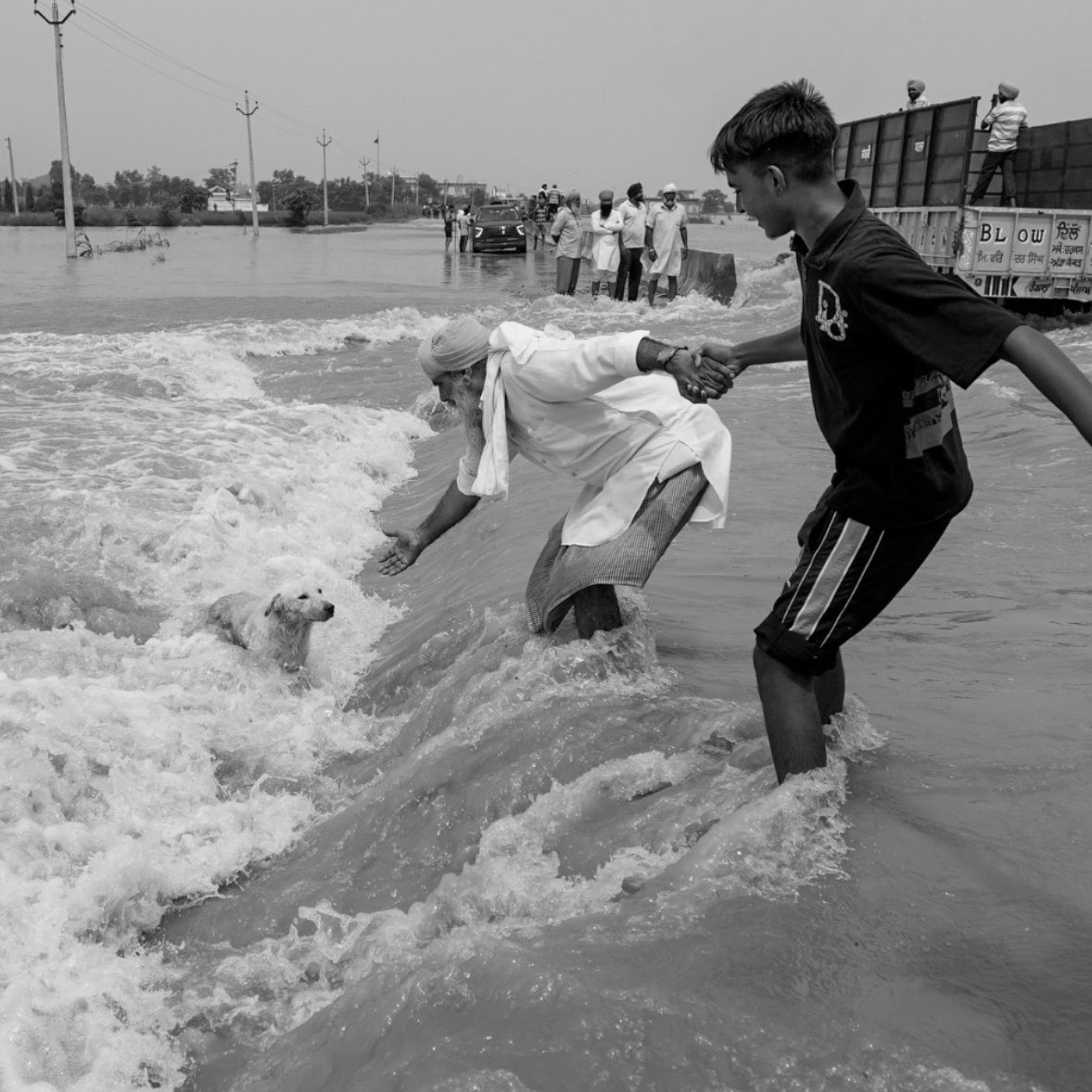
Punjab continues to grapple with the aftermath of the devastating floods that struck the state in September. The heavy monsoon rains, combined with surplus water releases from dams including Pong, Ranjit Sagar, and Bhakra, inundated large areas of farmland and residential zones, particularly along the Ravi, Beas, and Sutlej rivers. Districts including Fazilka, Mansa, Gurdaspur, Pathankot, Kapurthala, Ludhiana, Ferozepur, and Muktsar were among the worst affected, with thousands of families displaced, crops destroyed, and infrastructure suffering extensive damage, making this one of the worst flood episodes in decades.
In response to the crisis, the Punjab State Assembly held a special session under the leadership of Chief Minister Bhagwant Mann to discuss the Rehabilitation Bill and assess ongoing relief measures. During the session, Finance Minister Harpal Singh Cheema highlighted that while the state had requested ₹20,000 crore in central aid, Prime Minister Narendra Modi, who visited Punjab on September 9, 2025, had announced only ₹1,600 crore, which had not yet been released. Cheema also expressed concern over the adequacy of the central support and criticized certain BJP MLAs for allegedly avoiding the assembly session, suggesting that some members were conducting a mock session from their offices, undermining democratic processes.
CM Mann, in his address to the Assembly, emphasized the urgency of swift rehabilitation for flood-affected families. He assured that several critical bills would be passed to aid recovery, including the Punjab Seed Bill 2025 and the Punjab Right to Business Bill 2025. He also outlined the state’s commitment to ensuring that all affected families receive compensation within 45 days, reflecting the government’s priority on immediate relief and long-term rehabilitation.
The Punjab government announced a comprehensive relief package to address the multifaceted impact of the floods. Farmers whose crops were completely destroyed would receive ₹20,000 per acre, along with the right to extract and sell sand and silt deposited in their fields. Families whose homes were fully damaged are eligible for ₹10 lakh, while partially damaged homes would receive ₹5 lakh. Farmers who lost livestock could receive ₹20,000 to ₹30,000 per animal, depending on the type and value. Families that lost loved ones in the floods are to be compensated ₹4 lakh, while individuals who sustained serious injuries would receive ₹50,000. In addition, the central government released ₹222 crore under the PM-Kisan Samman Nidhi scheme to support over 11 lakh farmers in Punjab.
The Indian Army played a pivotal role in relief operations under Operation Rahat. Army units evacuated more than 6,000 residents from flooded areas using helicopters and amphibious vehicles, established field hospitals, and deployed mobile medical units to provide emergency care. Army engineers helped restore damaged roads and bridges, and coordinated closely with state authorities, the National Disaster Response Force (NDRF), and local police to ensure a streamlined response. Notable rescues included saving a 15-day-old infant and her mother from a partially submerged building in Dhangai village, and airlifting 27 residents from inundated areas in Lassian, demonstrating the Army’s dedication under challenging conditions.
As of September 11, 2025, the official death toll stood at 55, with over 4.5 lakh residents affected and 192,380 hectares of crops destroyed. More than 2,200 villages were inundated, with districts such as Fazilka, Mansa, Gurdaspur, Pathankot, Kapurthala, Ludhiana, Ferozepur, and Muktsar bearing the brunt of the floods. Over 100 relief camps have been set up to shelter displaced individuals. Despite these measures, the Punjab government faced criticism from opposition leaders, farmers’ unions, and civic groups for delays in disbursing aid and allegations of mismanagement. Sukhbir Singh Badal of Shiromani Akali Dal (SAD) and Partap Singh Bajwa of Congress called for a probe into discrepancies in the State Disaster Response Fund (SDRF) and urged better coordination with the central government.
The Punjab government has reassured that all flood victims will receive compensation within 45 days, while ongoing relief operations continue across affected districts. Authorities are also monitoring for potential outbreaks of waterborne diseases and are working to restore connectivity and agricultural activity. While the floods have caused widespread devastation, the coordinated efforts of the state government, the Indian Army, and civil society aim to stabilize affected communities and initiate the long road to recovery.