
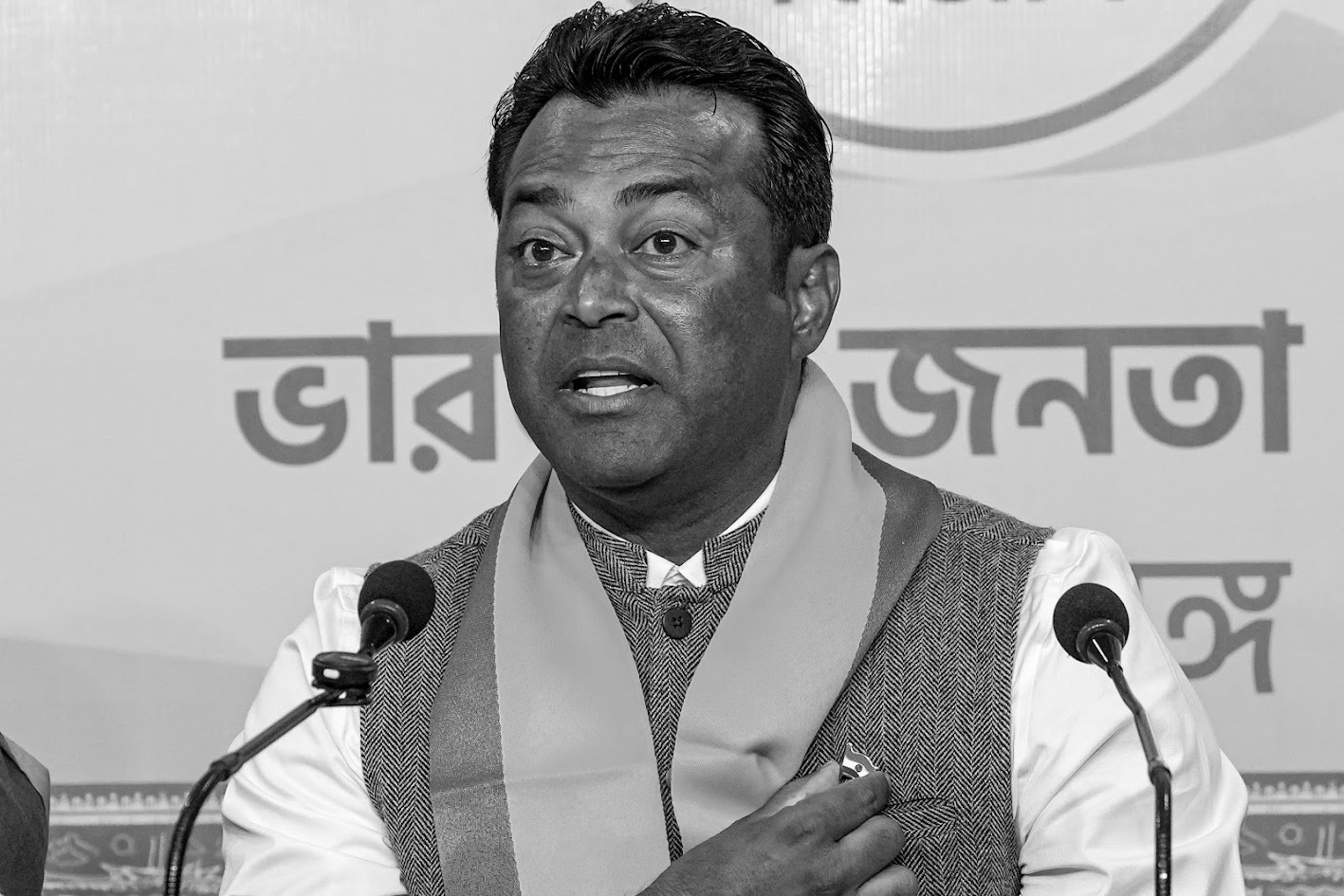
PM Modi Has Tasked Me with 2036 Olympic Mission: Leander Paes After Joining BJP
Indian tennis legend Leander Paes on Saturday said he has been entrusted with responsibilities related to India’s bid for the 2036 Olympic Games , calling it central to his new role in public life. The seven-time Olympian added that PM Narendra Modi had tasked him with working on youth development and sports , while helping shape the country’s Olympic ambitions. Framing sport as a pillar of national strength, Paes underlined that nations dominating the Olympic stage often reflect broader economic power . These remarks come just days after he formally joined the Bharatiya Janata Party on March 31, 2026 , ahead of the West Bengal Assembly elections, signalling a blend of political entry and long-term vision.
India’s Olympic ambition, however, remains in an early stage, with initial engagement underway with the International Olympic Committee through a dialogue-based selection process that prioritises sustainability and long-term planning over aggressive bidding. The focus has shifted from merely winning hosting rights to demonstrating institutional readiness , making execution more critical than intent. While no official host city has been finalised, Ahmedabad in Gujarat has emerged as the frontrunner, with plans centred around expanding the Narendra Modi Stadium precinct into a broader sports ecosystem, alongside a likely multi-city model involving metros like Delhi and Mumbai.
The financial dimension remains a crucial factor. Although no official figures have been released, estimates place the potential cost between ₹75,000 crore and ₹1.2 lakh crore , raising questions about whether the Olympics would serve as a nation-building investment or risk becoming a costly prestige project. India is expected to adopt a cost-optimised approach , focusing on reusing infrastructure and aligning spending with long-term urban development goals to avoid underutilised assets.
Globally, the Olympics have traditionally been hosted by developed economies such as the United States, Japan, France and the United Kingdom, with only a few emerging nations like China and Brazil breaking that pattern. For India, securing the 2036 Games would represent a major geopolitical milestone, but competition from countries like Saudi Arabia, Indonesia and Turkey remains strong, making the bid far from certain.
Paes’ political entry adds visibility to this ambition, but the Olympic timeline extends beyond immediate politics. With multiple election cycles ahead, there is no certainty that the same government will remain in power, making policy continuity essential. At present, Paes has not been given an election ticket, nor officially declared a star campaigner, and a ministerial role appears unlikely in the near term due to the need for legislative experience. He is more likely to function initially as a campaign face and advocate for sports-led development.
Ultimately, Paes’ transition reflects an attempt to bridge sport and governance, but the success of India’s Olympic bid will depend on consistent execution, financial discipline and global credibility. The vision is ambitious, but its realisation will require sustained effort across governments, ensuring that the project evolves into a true national mission rather than remaining a symbolic aspiration.