
PM-KISAN's 24th Instalment: Modi Transfers ₹18,690 Crore to Over 9.34 Crore Farmers
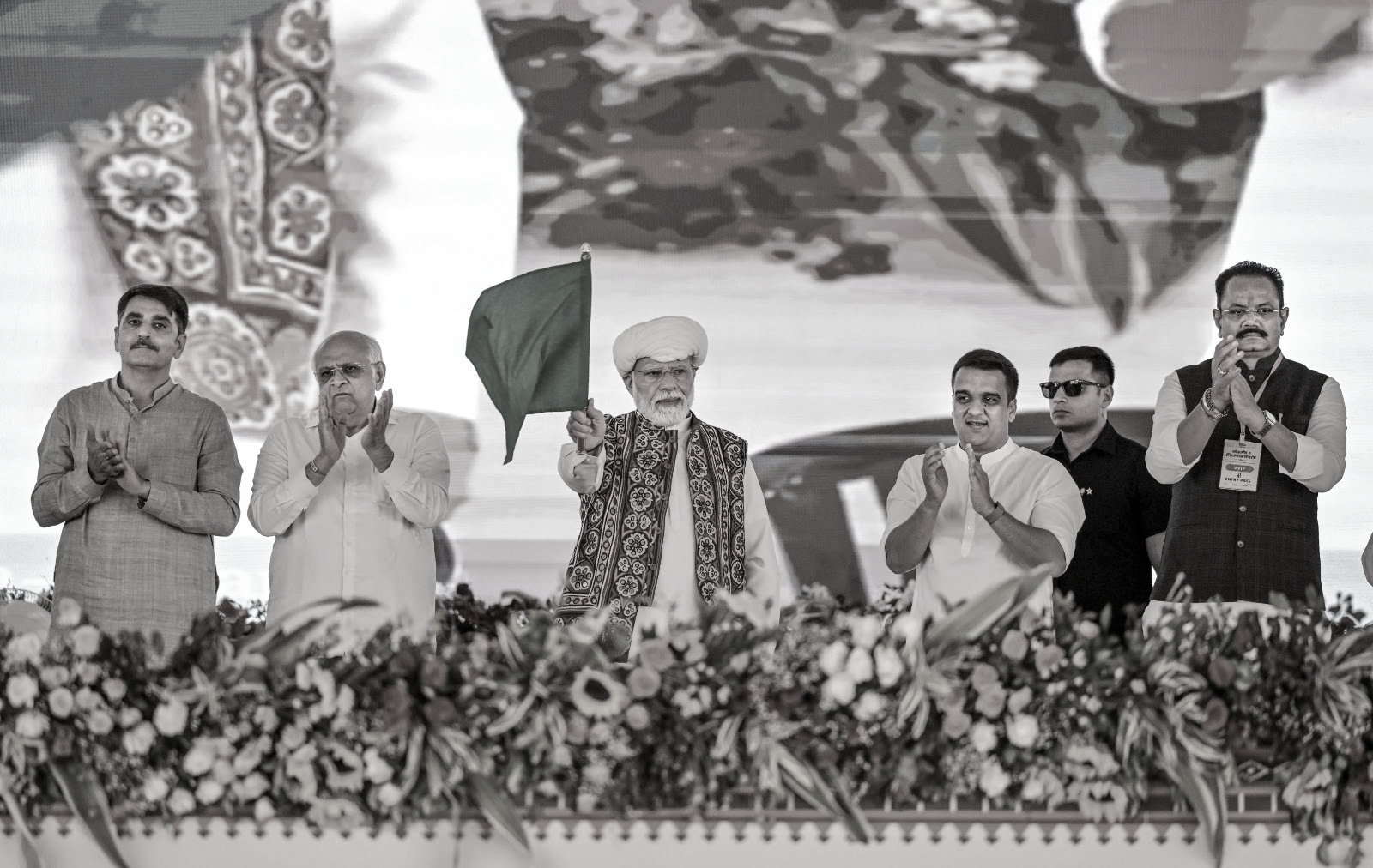
Prime Minister Narendra Modi on Friday released ₹18,690 crore under the 24th instalment of the Pradhan Mantri Kisan Samman Nidhi (PM-KISAN), transferring ₹2,000 each directly into the bank accounts of more than 9.34 crore farmer families across the country. The funds were released from Bhildi in Gujarat's Banaskantha district, taking the scheme's cumulative disbursement beyond ₹4.65 lakh crore since its launch in February 2019.
Under PM-KISAN, eligible landholding farmer families receive ₹6,000 annually in three equal instalments of ₹2,000 through Direct Benefit Transfer (DBT). The initiative was introduced to provide additional financial support to farming households and help them meet expenses related to seeds, fertilisers and other agricultural requirements.
Over the past seven years, the scheme has become one of India's largest direct income-support programmes, reaching millions of farming families. Its regular payments provide additional financial assistance in a sector where earnings are often seasonal and influenced by weather conditions, crop prices and harvest outcomes.
However, the annual assistance has remained at ₹6,000 since its introduction in 2019. With agricultural expenses evolving over the years, discussions around increasing the benefit to ₹10,000 have emerged. The government has so far indicated that no proposal to revise the annual amount is under consideration.
The government has also strengthened beneficiary verification to ensure that assistance reaches eligible farmers. As of March 2026, payments to around 73.89 lakh beneficiaries had been stopped because mandatory requirements such as e-KYC, Aadhaar-linked bank accounts and land-record verification were pending. Alongside direct financial support, Modi also dedicated 521 units under the Agriculture Infrastructure Fund and inaugurated activities under 12 horticulture clusters during the Gujarat programme. These initiatives aim to improve storage and processing facilities, reduce post-harvest losses and promote high-value crop cultivation.