
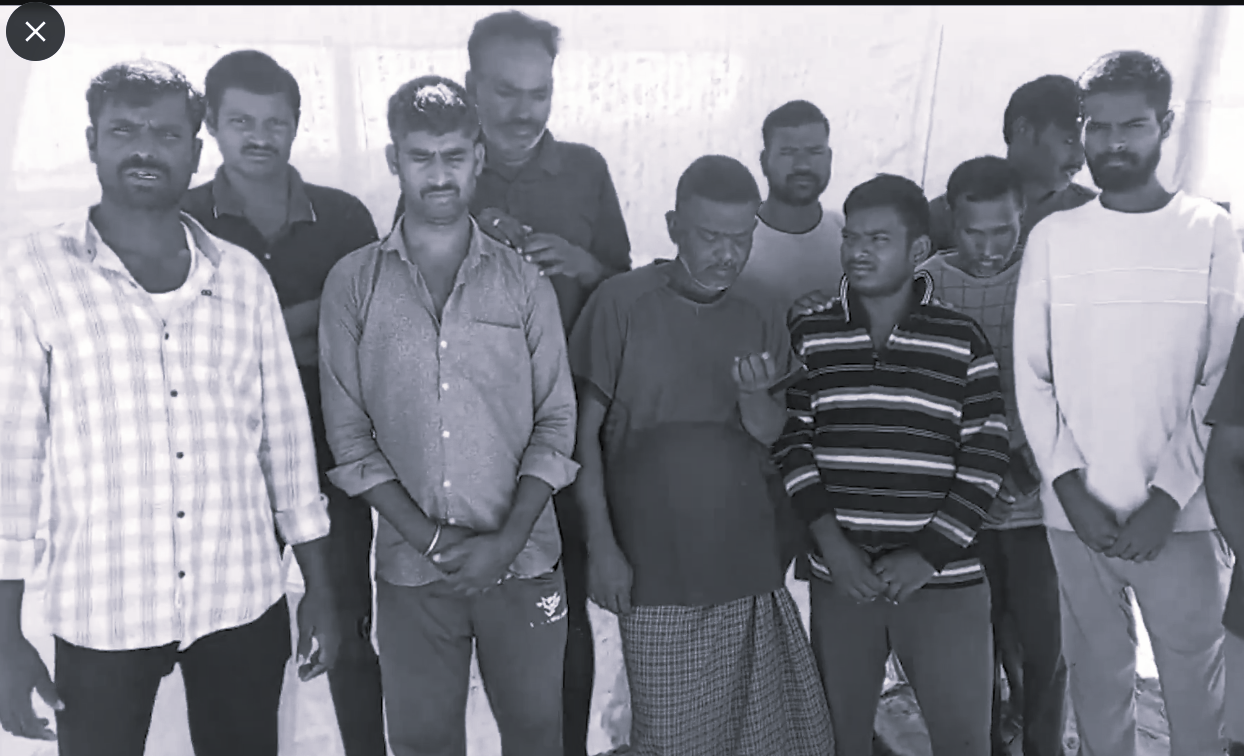
Plight of Telangana’s migrant workers
Twelve migrant workers from Telangana are stranded in Jordan, caught in a web of financial difficulties and company negligence. Hailing from Nirmal, Kamareddy, Nizamabad, Jagtial, and Siddipet districts, these workers went abroad seeking employment but now find themselves unable to return home without company permission or funds.
The Bharat Rashtra Samithi (BRS) has urged Telangana Chief Minister A Revanth Reedy and central ministers Kishan Reddy and Bandi Sanjay to intervene and bring them back. This incident highlights the persistent neglect of migrant workers’ welfare by authorities. Historically, many workers facing such crises have been rescued, but these recurring issues underline systemic problems.
Struggling for a better future
Around 1.4 million workers from Telangana currently work in Gulf countries, leaving their families behind to earn a livelihood. While they endure harsh conditions, financial crises, workplace exploitation, and political instability continue to threaten their lives. The ordeal of these 12 workers in Jordan illustrates the dangers migrant workers face. Stranded in a foreign land without adequate food, shelter, or funds, they are desperate for help. Despite BRS leaders raising their plight with the Chief Minister’s office, there has been no response.
The workers’ struggle
The stranded workers report that their employers have withheld wages, refused to return passports, and forced them to work in conditions akin to bondage. “We want to return home, but we are not allowed to leave,” they say. For three months, their families and BRS representatives have appealed to state and central authorities. Former minister Harish Rao has demanded that they be brought back with the intervention of the Chief Minister and central ministers.
How have governments responded?
The struggles of Telangana’s migrant workers are not new. In the past decade, hundreds have faced deaths, exploitation, and being stranded abroad. Some were rescued, but many were left to fend for themselves. For instance:
• 2018 Iraq crisis: 20 workers were stranded in Basra; the NRI department intervened to rescue them.
• 2019 Saudi Arabia: 39 workers faced similar difficulties and were repatriated.
• 2020-21 COVID-19 Lockdown: Thousands lost jobs, wages, and accommodation, struggling to return to India. About 150,000 workers returned to Telangana, with temporary support from the BRS government.
Despite efforts, recurring crises continue. Between December 2023 and 2024, 160 workers died in Gulf countries due to poor working conditions, and government support often arrived too late.
A grim decade
Over the past ten years, nearly 2,000 workers from Telangana have died in Gulf countries. In 2025, an incident in Israel saw a worker die of a heart attack, and families had to struggle to bring back his body. Governments managed to rescue over 500 workers during such incidents, but thousands suffered. While BRS initiatives reduced migration pressures and provided employment opportunities, lapses in Congress administrations have led to renewed hardships.
Where is welfare?
The Congress party promised comprehensive welfare for Gulf workers but failed to implement these measures after 18 months. Committees and advisory boards formed in 2025 have remained largely inactive. Despite announcements of funds and helplines, effective support has yet to materialize. The BRS, on the other hand, set up special funds and employment schemes for returning workers.
To rescue the 12 workers stranded in Jordan, both state and central governments must act urgently - establish helplines, activate welfare boards, and implement the promised policies.
Employment and exploitation challenges
Many workers travel abroad based on false job promises. Recruitment agents often provide invalid visas, and companies fail to provide employment once the workers arrive. Stranded without wages or support, these workers face severe financial hardship, while their families back home struggle to survive. Thousands continue to face similar situations, yet their cries for help remain largely unheard.