
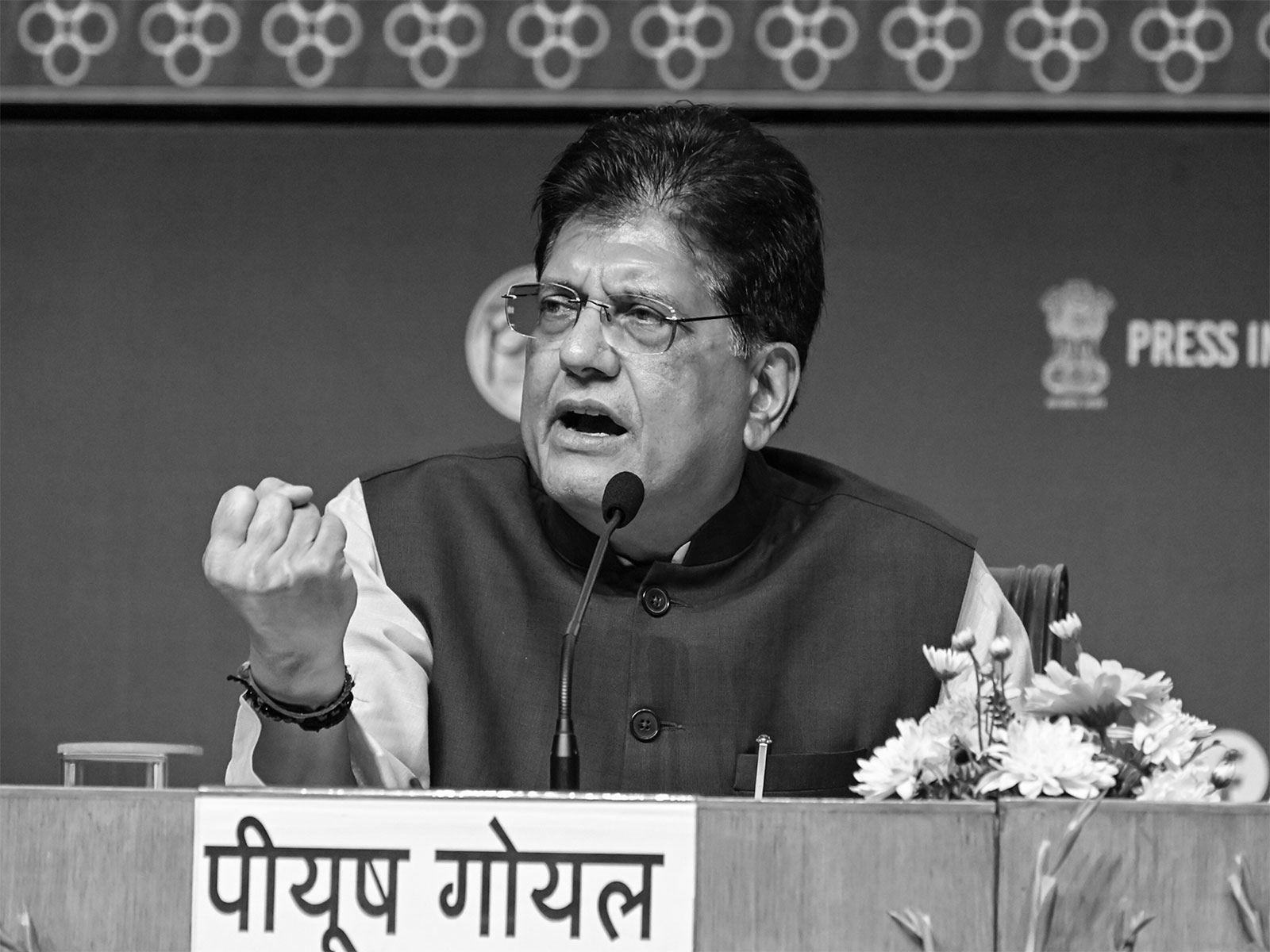
Piyush Goyal to visit Brussels to push India-EU free trade talks
Union Minister of Commerce and Industry Piyush Goyal will visit Brussels on October 27-28 to meet EU Trade Commissioner Maroš Šefčovič , as India and the EU aim to advance the long-pending Free Trade Agreement (FTA) . The talks come after 14 rounds of negotiations and are seen as a crucial opportunity to inject political momentum into a deal that has been under discussion for nearly two decades. The goal is a comprehensive and balanced trade pact that benefits both sides while addressing sensitive sectors like automobiles, agriculture, and services.
During the visit, Minister Goyal will discuss market access, non-tariff barriers, investment protection, regulatory cooperation, and carbon-related policies . The engagements include a bilateral meeting and a working dinner, where both leaders are expected to reaffirm their commitment to strengthening India-EU trade and economic ties. The discussions also build on the renewed India-EU partnership highlighted in Prime Minister Modi’s meeting with European Commission President Ursula von der Leyen earlier this year, which emphasized a “future-ready” trade relationship based on sustainability, innovation, and prosperity.
Several issues have slowed negotiations so far. The EU wants lower tariffs on automobiles, while India seeks to protect domestic manufacturers. Tariffs on dairy and certain farm products remain sensitive. India is also seeking flexibility on EU carbon regulations to avoid export costs. Services and data remain points of discussion, with India seeking easier mobility for IT professionals and the EU emphasizing stronger intellectual property and data protections. Disagreements persist on investment safeguards and domestic policy space as well.
While a final agreement is unlikely to be signed during this visit, the trip can provide a political roadmap . High-level engagement can help break deadlocks and produce a “political package” outlining principles like phased tariff reductions, transitional safeguards, and sectoral carve-outs, which negotiators can later turn into detailed agreements.
The proposed FTA is intended to be mutually beneficial, though the gains will be asymmetrical. The EU stands to benefit more quickly in goods, investments, and access to India’s green and high-tech sectors, while India gains gradually through services, digital trade, and skilled professional mobility. Balance will likely come through gradual liberalization and transition periods that protect domestic industries while opening markets.
Minister Goyal’s Brussels trip represents a strategic push to move negotiations forward. If successful, it could accelerate the FTA process, create smoother trade flows, strengthen economic cooperation, and signal India’s readiness to engage with major trading blocs on equal terms. The visit is a key step in turning the India-EU trade vision into concrete outcomes and shaping the next phase of this high-stakes partnership.