
PIB Vartalap Engages Ziro Journalism Students on Media Ethics and Verification
St. Claret College (Autonomous), Ziro, hosted a timely discussion on the changing landscape of journalism, the responsibilities of media professionals and the importance of citizens who can critically engage with information.
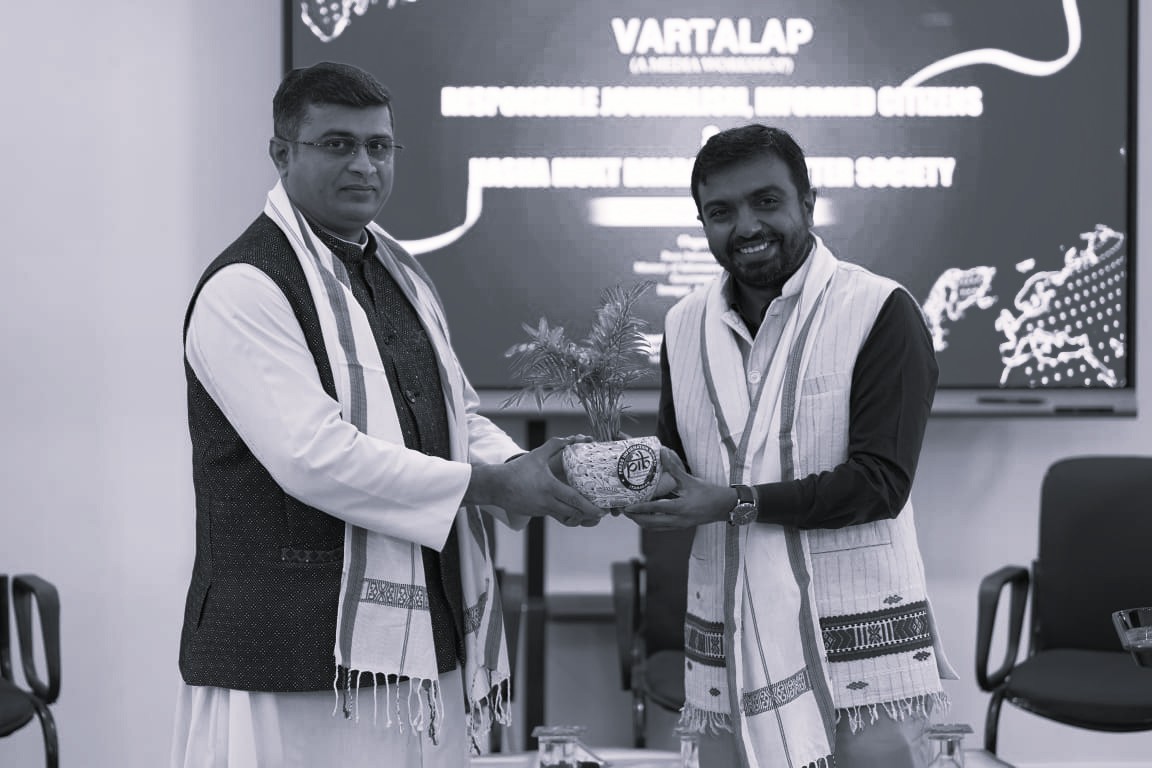
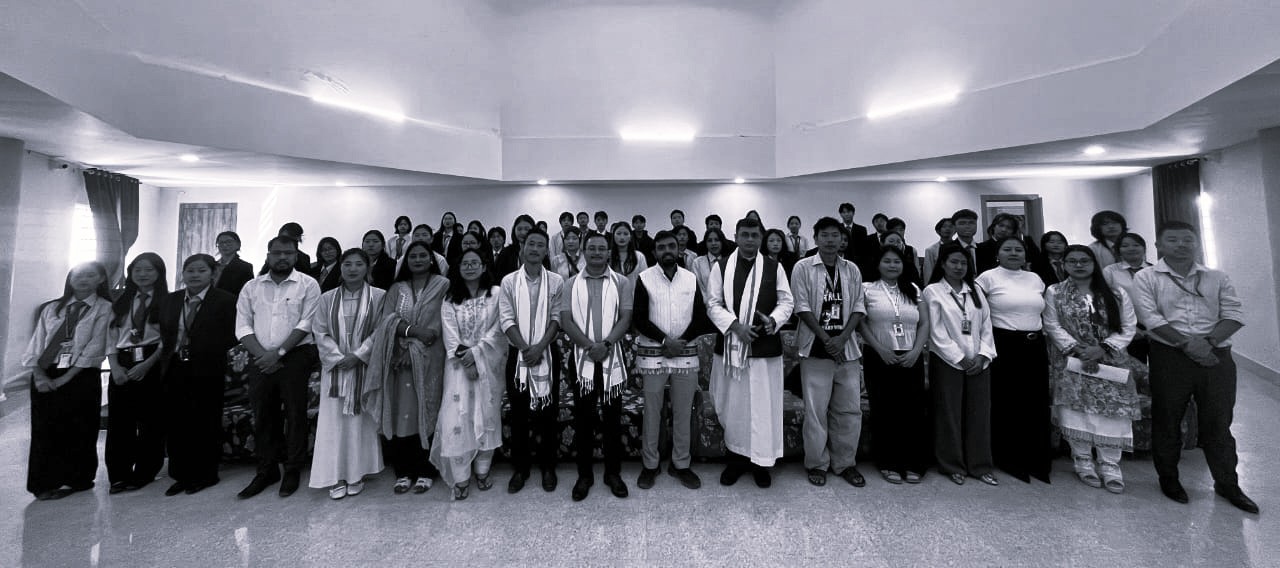
The Press Information Bureau (PIB), Itanagar organised a Vartalap on “Responsible Journalism, Informed Citizen & Nasha Mukt Bharat for Better Society”, bringing together Lower Subansiri journalists and Mass Communication students. Discussions focused on fact-checking, verification, research, media literacy and cross-checking, while also examining misinformation, media concentration and journalist safety.
Utsav Parmar, Joint Director, PIB Itanagar, described fake news as “venom” and stressed responsible journalism as a key defence against its rapid spread through digital and social media. The Reuters Institute’s Digital News Report 2025 found that 53% of Indian survey respondents identified WhatsApp as the channel posing the biggest threat from false and misleading information. Parmar also invited students to participate in Doordarshan’s “Mera Gaon, Meri Kahani”, encouraging local communities to take their stories to wider audiences.
In his keynote address, K. D. Singh, News Editor, Doordarshan Kendra, Itanagar, emphasised “verification before amplification”, urging journalists to cross-check facts, interpret data carefully and provide context. He also highlighted the de-addiction helplines 14446 and 14416. The discussion underscored the importance of regional and community media in giving visibility to issues often overlooked by larger organisations.
The programme also brought attention to media pluralism and ownership concentration. UNESCO emphasises that a diverse media ecosystem involving public, private and community media helps ensure that citizens have access to different viewpoints. Greater ownership transparency, safeguards against excessive cross-media concentration, support for regional journalism and diversified revenue models can strengthen editorial independence and media diversity.
Journalist safety emerged as another critical concern. The Free Speech Collective reported that in the first four months of 2025, two journalists were killed, four attacked, six arrested and at least five cases of threats or harassment recorded. CPJ has documented the killings of journalists Mukesh Chandrakar and Raghvendra Bajpai during 2025. Its India records list 94 journalists killed with the motive confirmed and 33 journalists imprisoned in its annual census.
Women journalists face additional online risks. A UNESCO-ICFJ survey covering more than 900 participants across 125 countries found 73% had experienced online violence; 25% received physical-violence threats, 18% sexual-violence threats and 20% reported offline attacks linked to online abuse. Thirty per cent self-censored, while 26% reported an impact on mental health. UNESCO found only 25% of reviewed national journalist-safety mechanisms included specific measures for women.
Dr. Fr. Allwyn Mendoz, Principal of St. Claret College, highlighted growing interest in Mass Communication among youth in remote regions, while Tanyang Pugang, President of Ziro Press Club, welcomed the initiative. Journalists from Times Ziro, AP Direct and Amaaba Ziro also shared field experiences.
The Vartalap ultimately reinforced that combating misinformation requires responsible journalism, media plurality, journalist protection and informed citizens, ensuring communities retain the ability to tell their own stories.