
Pink Elephant Controversy: PETA Demands Action After Jaipur Elephant Dies
Animal rights group PETA India has urged Russian photographer Julia Buruleva to withdraw a commercial artwork featuring a pink-painted elephant photographed in Jaipur or donate the proceeds to elephant conservation efforts in India after the animal’s death sparked widespread controversy.
In a letter to the photographer, PETA India’s Senior Director of Veterinary Affairs Dr Mini Aravindan said the print, reportedly being sold for more than Rs 3 lakh , should either be removed from sale or the earnings directed towards recognised initiatives that protect elephants in their natural forest habitats.
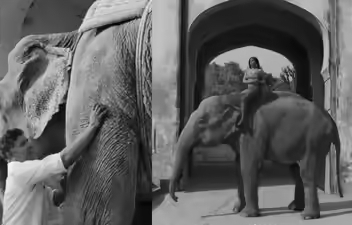
The photograph shows a model painted pink sitting atop an elephant that had also been coloured in the same shade during a photoshoot conducted in Jaipur. The elephant, Chanchal , a female believed to be about 67 years old , died in February, triggering criticism from animal welfare activists and debate on the use of animals in creative projects.
According to Aravindan, government guidelines recommend that captive elephants be retired at 65 , and the organisation said it cannot completely rule out possible health effects from applying paint on an elderly animal. She noted that coating an elephant’s skin, particularly near sensitive areas such as the eyes, trunk and mouth, could pose risks including irritation, ingestion of chemicals during grooming and stress.
However, local handlers and the elephant’s owner defended the photoshoot, saying the colour used was organic Holi “gulal” powder applied briefly and washed off shortly after the session, which reportedly lasted around 10 minutes. They insisted the animal was elderly and its death was unrelated to the shoot.
A post-mortem report later confirmed that Chanchal died of cardiac arrest due to old age , though the incident has intensified debate over the treatment of elephants used in tourism and art projects in Rajasthan.
The images, which went viral after being shared on social media, prompted strong criticism from activists and citizens, leading to calls for stricter oversight of captive elephant use and alternatives such as mechanical elephants for tourism and ceremonies .