
Peru’s prime minister resigns ahead of crucial congressional vote
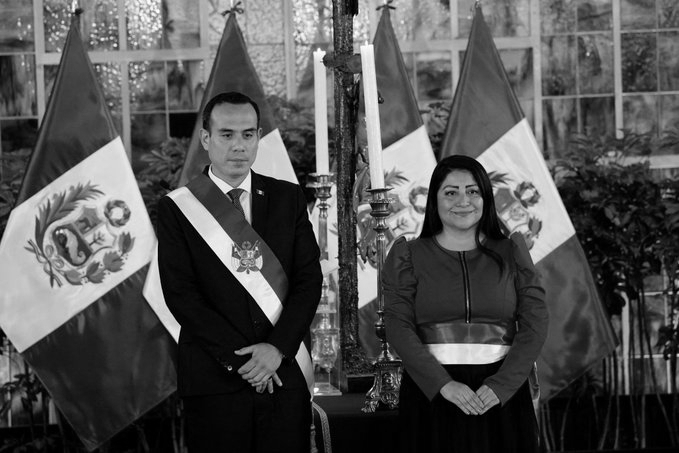
Peru’s prime minister , Denisse Miralles, resigned on Tuesday just three weeks after her appointment and on the eve of a mandatory congressional confidence vote that she was widely expected to lose. Her departure comes amid ongoing political turmoil that has seen a succession of leaders and a deeply divided legislature in the lead-up to general elections next month.
Miralles, 49, was appointed prime minister on February 24 by Interim President José María Balcázar after the ousting of President José Jerí earlier this year amid corruption allegations over undisclosed meetings with business figures. Under Peruvian law, newly appointed cabinet leaders must secure a confidence vote in the 130-member Congress within their first month in office or resign along with their cabinet. Her resignation automatically triggered the departure of all 18 ministers, though Balcázar may reappoint them.
In her resignation letter, Miralles did not offer specific reasons, but local media and political analysts noted that her appointment lacked sufficient backing in Congress, where right-wing and opposition blocs made clear they would not support the executive’s choices. Prior reports indicated that several major parties, including Avanza País and Renovación Popular, had signaled opposition to her confirmation, leaving her vulnerable ahead of Wednesday’s vote.
Her brief tenure was also criticized by Peru’s independent Fiscal Council , which said that during her time as economy minister and in her short period as prime minister, the government allowed 26 congressional laws to go unchallenged, contributing to sharply higher government spending.
Following Miralles’s exit, Balcázar moved quickly to reshuffle his cabinet, appointing former general Luis Enrique Arroyo as the new prime minister and naming Rodolfo Acuña as the new economy minister, along with changes in key portfolios including interior and defense. These changes come less than a month before Peru’s presidential elections set for April 12, in which more than two dozen candidates are competing. If no candidate wins more than 50 percent of votes, a runoff is expected in June.
The crisis underscores Peru’s persistent political instability , with eight presidents in the past decade, many ousted by Congress over corruption or governance failures. The 2025 removal of Dina Boluarte amid protests and the recent censure of José Jerí highlight enduring fractures in the political system. Despite frequent leadership changes, Peru’s economy has stayed relatively stable, supported by orthodox fiscal policies and foreign investment in mining and infrastructure. Analysts caution, however, that continued instability could undermine investor confidence and complicate governance for the incoming administration.