
Peru declares 30 days state of emergency in Lima after wave of violence
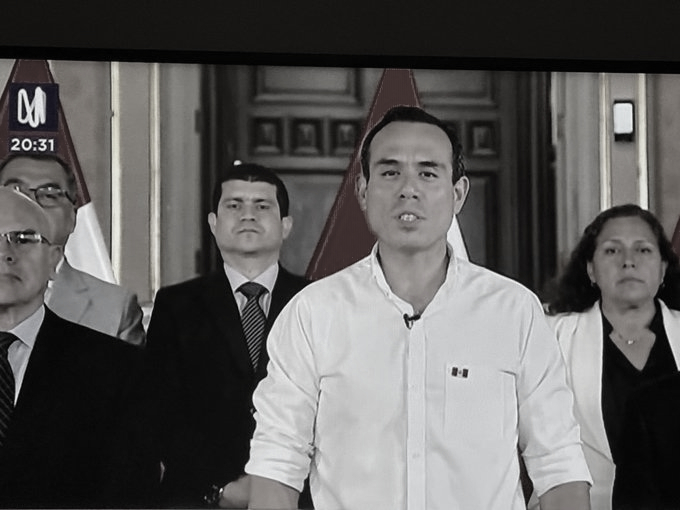
Peru’s President José Jerí has declared a 30-day state of emergency in the capital Lima and the neighboring province of Callao in response to a surge in crime and public unrest. The measure, approved by the Council of Ministers and effective just after midnight, allows the deployment of armed forces alongside police, granting authorities increased powers to detain individuals and restrict movement to restore public order.
The declaration comes after recent protests that left one person dead and over 100 injured. These demonstrations were largely led by Generation Z activists, who voiced anger over rampant corruption, escalating violence, and perceived government inaction. Protesters demanded immediate steps to improve public safety and hold authorities accountable, reflecting a broader societal frustration with insecurity and economic instability.
José Jerí assumed the presidency on October 10, 2025, not through a general election but by constitutional succession. As the President of Congress, he was next in line after the impeachment and removal of former President Dina Boluarte, who had taken office in December 2022 following the arrest and removal of Pedro Castillo. Jerí has pledged to lead a transitional government until the next general elections, scheduled for April 12, 2026, when Peruvians will vote for a new president, vice presidents, members of Congress, and representatives to the Andean Parliament.
Jerí emphasized a proactive approach to crime, stating that the government is moving “from defense to offense” to regain peace, tranquility, and public trust. The state of emergency grants authorities enhanced powers to enforce curfews, conduct detentions, and control public movement in the affected areas.
Peru has faced years of political instability and social unrest. Boluarte’s administration, despite declaring similar emergency measures earlier this year, struggled to curb crime in Lima and Callao, leading to continued public dissatisfaction. The recent protests, organized by younger generations, underscored the urgency for decisive government action.
While supporters view the emergency declaration as a necessary step to restore order, critics caution that emergency powers alone may not address the underlying issues of crime, corruption, and political instability. The transitional government faces the challenge of implementing effective measures to reduce criminal activity while preparing the country for the upcoming national elections, which are expected to play a crucial role in shaping Peru’s future governance.