
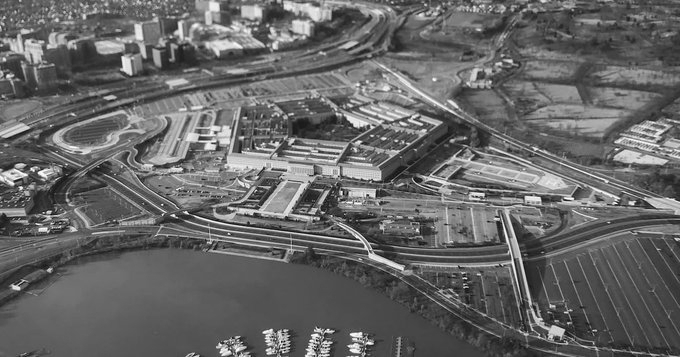
Pentagon issues new press credentials, shuts media offices after court ruling
The US Defense Department announced on Monday that it will issue new press credentials but remove media offices from inside the Pentagon , a move that comes after a federal judge ruled parts of the department’s press access policy unconstitutional and in favor of The New York Times in a lawsuit challenging the restrictions.
Under the revised approach, the long‑standing indoor workspace known as the “Correspondents’ Corridor” has been shut down, and journalists will be relocated to an annex located on the Pentagon grounds but outside the main building once that facility is ready. Pentagon spokesperson Sean Parnell said the department disagrees with the ruling and plans to appeal . Reporters will still be allowed into the Pentagon for scheduled press events, but they must be pre‑authorized and escorted by authorized personnel, a change officials say is necessary for security reasons.
The policy fight traces back to October 2025, when then‑Defense Secretary Pete Hegseth introduced new credentialing rules that required reporters to agree to strict limitations on what they could report and how they could gather information, even affecting access to unclassified material. That policy was widely rejected by nearly all major news organizations, which returned their Pentagon badges rather than sign the terms, leaving only a handful of smaller outlets that accepted them.
In a ruling last week, Senior U.S. District Judge Paul L. Friedman found that the department’s prior policy violated the First and Fifth Amendments , saying it conferred unchecked discretion to revoke press credentials based on protected newsgathering and discriminated against journalists who refused to accept restrictive conditions. The ruling ordered the reinstatement of New York Times press passes and enjoined continued enforcement of the earlier rules.
Press freedom groups, including the Pentagon Press Association and the National Press Club , have sharply criticized the Pentagon’s new measures, saying relocating reporters to an external facility and requiring escorts continues to undermine the court’s intent and erodes independent oversight of the nation’s military. They argue that the revised system still limits free press access , particularly during active global engagements.
The New York Times and other major outlets have indicated plans to press further legal challenges, asserting that the department’s latest actions remain unconstitutional . Pentagon officials maintain their revised policy is designed to balance legal compliance with operational security. The dispute is expected to continue as both sides prepare for further litigation.