
Pawan Kalyan urges aggressive measures to protect coastal forests
The Andhra Pradesh government is taking decisive steps to safeguard the state’s coastal areas from natural disasters while increasing greenery across the region. Emphasizing the protection of coastal forests and prevention of encroachments, Deputy Chief Minister and Forest & Environment Minister Pawan Kalyan directed that the “Great Green Wall of Andhra Pradesh” and the 50% green cover initiatives be implemented with urgency and strategic precision. Officials have been asked to prepare a detailed roadmap for these programs by the end of January.
During a review meeting with senior forest department officials at the Velagapudi Secretariat’s 2nd Block, Pawan Kalyan outlined key strategies for achieving these objectives. He praised the coalition government, led by Chief Minister N. Chandrababu Naidu, for its systematic approach to environmental conservation, highlighting that protecting the environment is crucial for the state’s future.
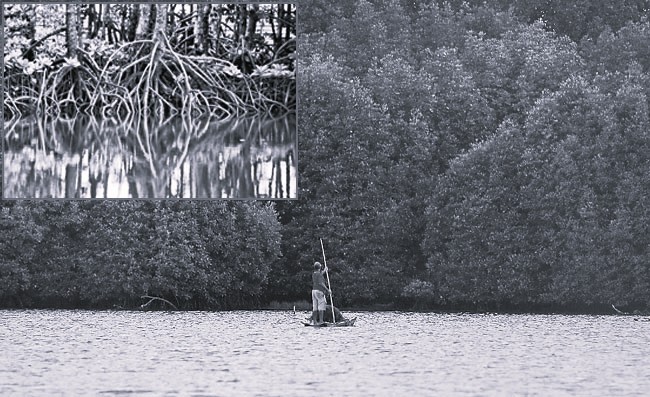
Andhra Pradesh, with one of the longest coastlines in India - approximately 974 kilometers - faces significant risks from natural hazards. Pawan Kalyan stressed the importance of protecting this coastline and recommended planting coastal vegetation such as mangroves, screw pines, and palm trees along a five-kilometer-wide stretch. He explained that these species play a vital role in shielding coastal communities from storms and rising waves.
Currently, the forest department has planted greenery along 402 kilometers of the coast, covering 500 meters in width. Pawan Kalyan instructed officials to conduct a detailed study of remaining areas, including land under forest department control versus privately held plots within coastal regulatory zones.
The Deputy Chief Minister outlined a three-phase approach for the Great Green Wall project. The first phase focuses on planting trees along all areas directly adjacent to the coast. The second phase involves expanding plantations along canals, roads, and bunds connected to the coastline. The third phase aims to promote tree plantations in agricultural lands that are suitable for crops and can help increase farmers’ incomes.
Funding for these initiatives will come from multiple sources, including the Mangrove Initiative for Shoreline Habitats and Tangible Incomes, Compensatory Afforestation Fund Management & Planning Authority, Green Climate Fund, Corporate Social Responsibility (CSR) contributions, and employment guarantee schemes. Pawan Kalyan emphasized the importance of involving local communities to protect existing vegetation and prevent encroachments.
Pawan Kalyan highlighted that achieving 50% green cover is a prestigious target personally entrusted by Chief Minister Chandrababu Naidu. Responsibility for this goal extends beyond the forest department to all government departments. He noted that proper implementation of the Green Wall project would naturally increase the state’s overall green cover.
Officials were directed to identify suitable plantation areas in each district, develop special action plans under collectors’ supervision, and establish a task force involving the forest, horticulture, irrigation, tribal welfare, Human Resource Development (HRD), industry, and pollution control departments.
The Deputy Chief Minister called for weekly updates on the progress of the Green Wall and green cover initiatives, stressing that no laxity would be tolerated. He underlined that coastal forest protection, encroachment prevention, and greenery expansion are all critical for the state’s long-term future. Officials were urged to work in full coordination to ensure the success of these programs.
The review meeting has set a clear momentum for environmental conservation in Andhra Pradesh, signaling the government’s strong commitment to creating a “green shield” along the state’s coastline.