
Pawan Kalyan Orders Non-Bailable Cases Over Road Damage in Pullampet
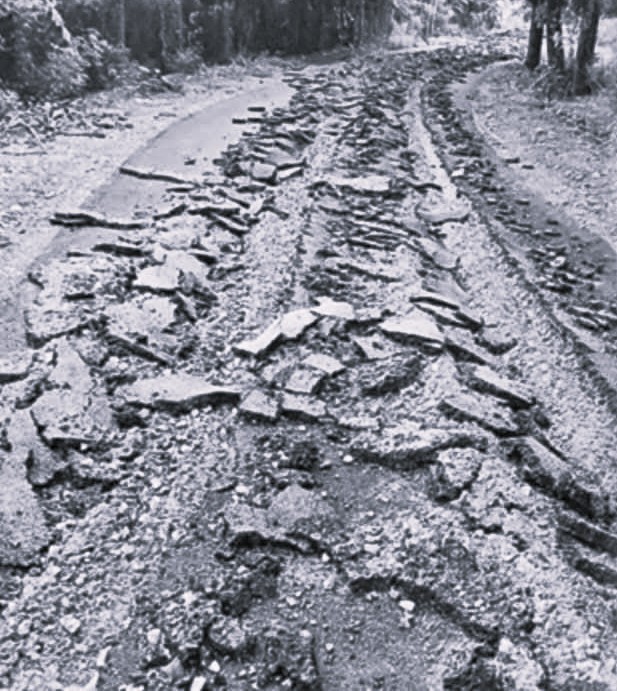
Andhra Pradesh Deputy Chief Minister and Panchayat Raj and Rural Development Minister Pawan Kalyan has directed officials to initiate stringent legal action against those responsible for damaging a government-funded road in Tirupati district. Taking serious note of the destruction of a road between Ananthasamudram and Papakkagaripalle villages in Pullampet mandal, he ordered the registration of cases under non-bailable sections and directed officials to recover the losses incurred by the government under the Revenue Recovery Act.
The incident involved a road constructed at a cost of ₹4.75 crore under the Palle Panduga 3.0 programme. According to officials, Subba Reddy allegedly used a tractor, with assistance from Venkata Subba Reddy, to plough up and damage approximately 100 metres of the road about a week ago. The damage came to light after local residents alerted the authorities. Officials informed Pawan Kalyan that an FIR had already been registered and that the accused would be arrested by the evening and produced before a magistrate.
Pawan Kalyan reviewed the incident on Monday with senior engineering officials from the Panchayat Raj and Rural Development Department. He expressed strong displeasure over the destruction of public infrastructure, stating that roads built with taxpayers' money were intended to improve connectivity and provide essential facilities to rural communities.
Describing the act as reprehensible and unacceptable, the Deputy Chief Minister stressed that damage to public property could not be tolerated. He instructed officials to ensure that legal action extended beyond those directly involved to anyone found to have supported or facilitated the incident.
The minister also emphasised the need to protect infrastructure developed for public welfare and ensure accountability for deliberate damage. He directed the department to invoke the Revenue Recovery Act to recover the cost of the damage from those found responsible, thereby preventing the financial burden from falling on the public exchequer.