
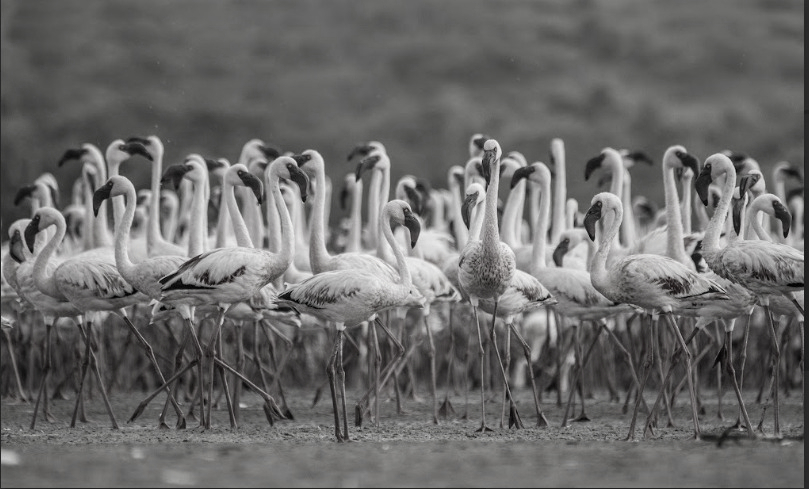
Patna bird sanctuary and chhari-dhand wetland join ramsar list
India has added Patna Bird Sanctuary in Etah, Uttar Pradesh, and Chhari-Dhand Wetland in Kutch, Gujarat, to its growing network of Ramsar sites wetlands recognized for their international ecological importance.
Congratulating the local communities and conservationists, Prime Minister Narendra Modi said these recognitions reaffirm India’s commitment to biodiversity conservation and protecting vital ecosystems. “May these wetlands continue to thrive as safe habitats for countless migratory and native species,” he tweeted.
Union Environment Minister Bhupender Yadav also hailed the move, tweeting, “Congratulations Team Uttar Pradesh and Gujarat and the Wetland community! With World Wetlands Day close by, I am delighted to announce two new additions to India’s Ramsar network. This international recognition reflects India’s strong commitment to protect our environment and conserve our rich wetlands.”
The Ramsar Convention, formally called the Convention on Wetlands of International Importance, is a global treaty adopted in 1971 in Ramsar, Iran. It encourages the conservation and sustainable use of wetlands, which are crucial for biodiversity, water purification, flood control, climate regulation, and supporting livelihoods.
Patna Bird Sanctuary, a freshwater wetland, is home to a variety of migratory and resident birds, while Chhari-Dhand, a seasonal saline wetland, provides habitat for waterfowl, chinkara, wolves, desert cats, caracals, desert foxes, and endangered birds.
Under the leadership of Prime Minister Modi, India’s Ramsar network has expanded over 276%, growing from 26 sites in 2014 to 98 today, making India one of the countries with the largest number of internationally recognized wetlands.
Experts say these designations not only highlight the ecological significance of these wetlands but also encourage local stewardship and raise awareness about protecting fragile ecosystems.