
‘Part of Political Process’: SC Rejects Plea Against Six AIADMK MLAs Who Joined TVK
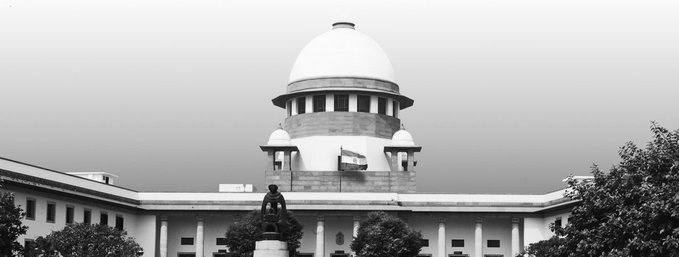
The Supreme Court on Monday dismissed a plea challenging the resignations of six AIADMK MLAs who later joined the ruling Tamilaga Vettri Kazhagam (TVK) in Tamil Nadu, observing that such developments are part of the political process.
A bench comprising Chief Justice Surya Kant and Justices Joymalya Bagchi and V Mohana rejected the petition filed by advocate K Suthan against a Madras High Court order dismissing his plea. “Somebody resigns and becomes minister, it's part of political process,” the bench observed.
The petition sought the introduction of an “Election Expenditure Security” mechanism, requiring legislators who voluntarily resign and subsequently contest by-elections to deposit an amount equivalent to the public money spent on conducting those polls. It also sought a five-year disqualification for the six MLAs.
The Madras High Court had rejected the public interest litigation on September 24, holding that the right to resign from a legislative assembly seat forms part of the constitutional framework and cannot be restricted through additional conditions imposed by courts.
The six legislators S Jayakumar, Maragatham Kumaravel, P Sathyabama, Esakki Subaya, C Vijayabhaskar and M R Vijayabhaskar were elected on AIADMK tickets in the April assembly elections. They resigned between May 25 and June 29, 2026, before joining the TVK led by Chief Minister C Joseph Vijay.
Maragatham Kumaravel and Sathyabama subsequently won the October 6 by-elections from Madurantakam and Dharapuram, respectively, as TVK candidates. The Madras High Court, on October 13, upheld Speaker JCD Prabhakar's acceptance of the resignations, ruling that they were genuine and voluntary. It also directed the Speaker to conclude pending disqualification proceedings against four MLAs within two months.
The court clarified that resignation and disqualification are separate constitutional processes. Accepting a resignation does not automatically render pending disqualification proceedings infructuous. The Speaker remains responsible for deciding the disqualification petitions, with the High Court empowered to intervene if proceedings are not concluded within a reasonable period.