
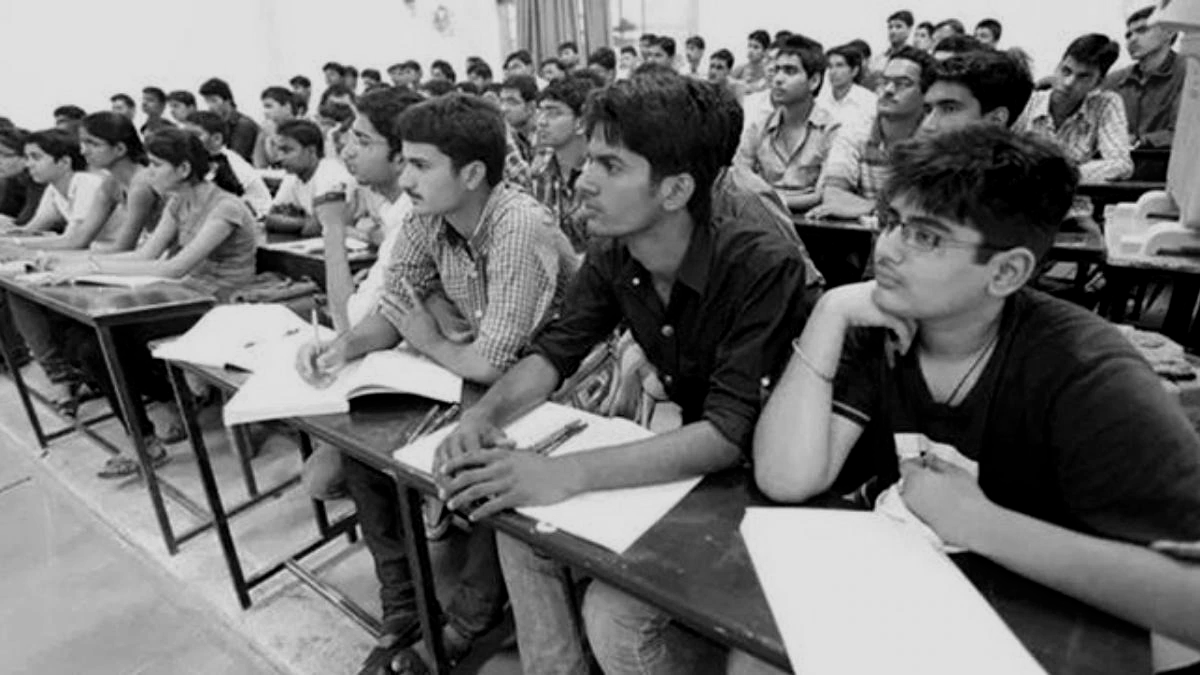
Parliament panel to review surge in coaching centres and regulatory gaps
A Parliamentary Standing Committee has initiated a sweeping review of India’s education system, with a strong focus on the rapid expansion of coaching centres, the conditions in private hostels and the growing mental-health crisis among students. The move comes after a surge in student suicides, particularly in major coaching hubs such as Kota, where dozens of cases have been reported over the past few years.
According to national data for the past decade, student suicides have shown a troubling rise, with competitive-exam pressure identified as a major driver. Many of the deaths have occurred in private hostels or rented rooms where students stay while attending coaching classes. These facilities often lack trained wardens, monitoring systems, mental-health support and safety mechanisms, making vulnerable students even more isolated.
The committee, which covers Education, Women, Children, Youth and Sports, will examine the “proliferation” of coaching centres, the social pressures created by high-stakes examinations, and the adequacy of existing laws governing these institutes. It will also review the government’s current measures to support student mental health in higher education.
Officials note that several factors commonly recur in suicide cases: academic pressure from exams like NEET and JEE, long study hours, frequent testing, isolation from family and friends, and inadequate counselling at coaching institutes. Hostels housing these students have repeatedly come under scrutiny, with many lacking basic oversight, structured support systems or stress-mitigation practices.
Alongside this focus, the committee has added other major items to its 2025–26 agenda. These include reviewing the PM-SHRI school scheme, examining how emerging technologies and artificial intelligence are influencing learning, evaluating the performance of NCERT, and assessing policies on school closures. The panel will also look into the Education Ministry’s steps toward creating the Higher Education Council of India (HECI), which aims to replace bodies such as the UGC, AICTE and NCTE to streamline regulation in the higher-education sector.
Additionally, the committee will scrutinise efforts to promote education among linguistic and religious minorities, ensure effective implementation of reservations for SC, ST, OBC and EWS communities in central institutions, and study the role of Indological academic traditions in modern education.
Experts say that while parliamentary scrutiny is a crucial step, it will only lead to meaningful change if recommendations translate into enforceable regulations. Stricter licensing norms for coaching institutes, mandatory safety and counselling standards in private hostels, and better mental-health infrastructure across schools and colleges could significantly reduce risks. Reforms to entrance examinations, including more flexible admission pathways and reduced dependence on single high-pressure tests, are also widely recommended.
Mental-health specialists advise that preventive efforts must run parallel to regulatory changes. Students are urged to seek timely help, maintain regular contact with families and adopt healthier routines. Parents are encouraged to shift focus from exam scores to overall wellbeing, while coaching centres and hostels are expected to introduce trained counsellors, structured support systems and regular safety audits.
As India’s education landscape becomes increasingly competitive, the committee’s findings will shape how the country balances academic ambition with the safety and wellbeing of millions of young learners. The coming months will determine whether this review becomes a turning point or remains another unimplemented policy exercise.