
Pam Bondi Refuses to Discuss Trump's Role in Epstein Files Release Before Congress
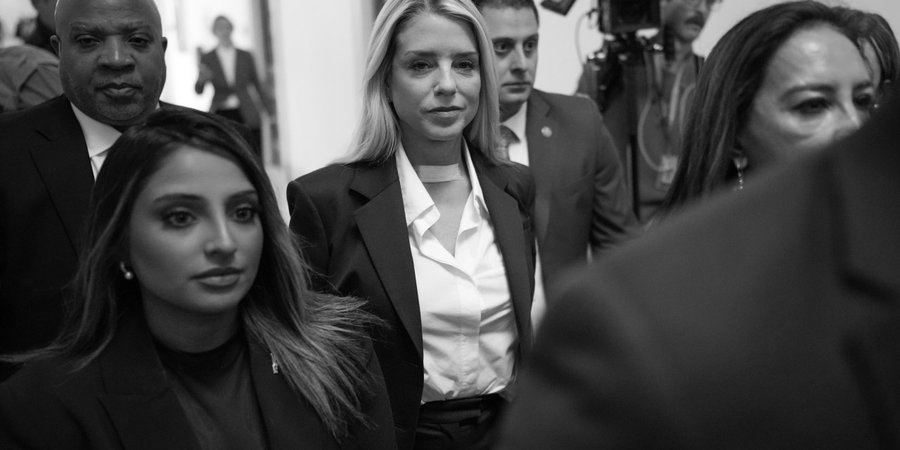
Former U.S. Attorney General Pam Bondi refused to answer questions regarding President Donald Trump's involvement in the release of Jeffrey Epstein case files during a closed-door interview before the House Oversight Committee on Friday, drawing criticism from Democratic lawmakers who accused her of evading scrutiny.
In her opening statement, Bondi defended the Trump administration's handling of the files, stating that the release process was conducted under the president's direction and reflected a commitment to transparency . She described the disclosure effort as "an enormously complicated and labor-intensive process" and acknowledged that errors in redacting sensitive information had occurred before the documents were made public.
Lawmakers questioned Bondi about the Justice Department's management of the Epstein files, decisions concerning investigations into Epstein's associates, and the role of senior administration officials in overseeing the release. However, Democratic members said Bondi declined to discuss Trump and answered only a limited range of questions.
"It's a sham in there. They are not answering any questions," Democratic Representative Dave Min told reporters during a break in the proceedings.
Outside the Capitol, several survivors of Epstein's abuse urged lawmakers to hold officials accountable, particularly after the release of documents reportedly included personal information belonging to potential victims . Survivors called for greater transparency and stronger safeguards for victim privacy.
The interview also touched on matters involving Ghislaine Maxwell , Epstein's former associate who was convicted in 2021 for recruiting underage girls for sexual abuse. Lawmakers continue to examine decisions made by the Justice Department regarding her case and subsequent prison transfer.
The House Oversight Committee has been conducting a broad investigation into the handling of Epstein-related records across multiple administrations. Committee Chair James Comer said a transcript of Bondi's interview would be released and warned that false statements to Congress could carry legal consequences.
Transparency questions continue to haunt one of America's most scrutinised scandals, with lawmakers, survivors and the public still seeking answers about accountability, government oversight and the handling of sensitive case records.