
Pakistan's Bloody PoK Crackdown: Over 30 Dead, 200 Injured as Kashmiris Rise Against Munir
Pakistan has long perfected the art of lecturing the world about Kashmir. What it is considerably less gifted at is governing the part it actually controls.
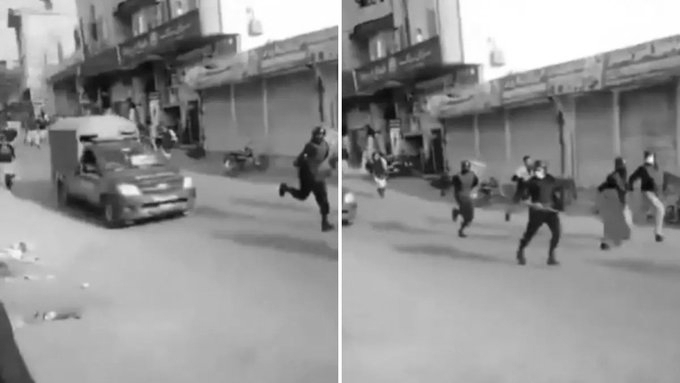
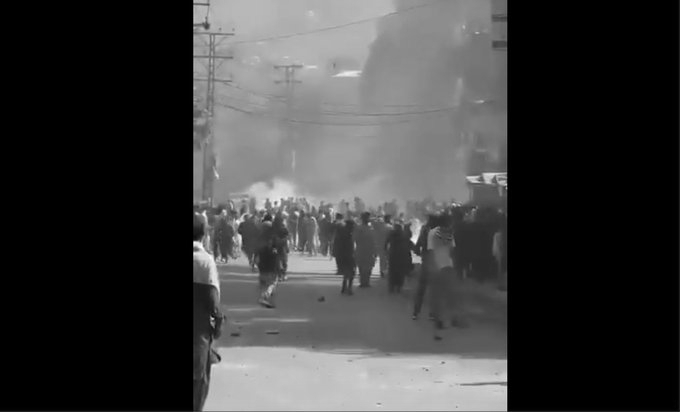
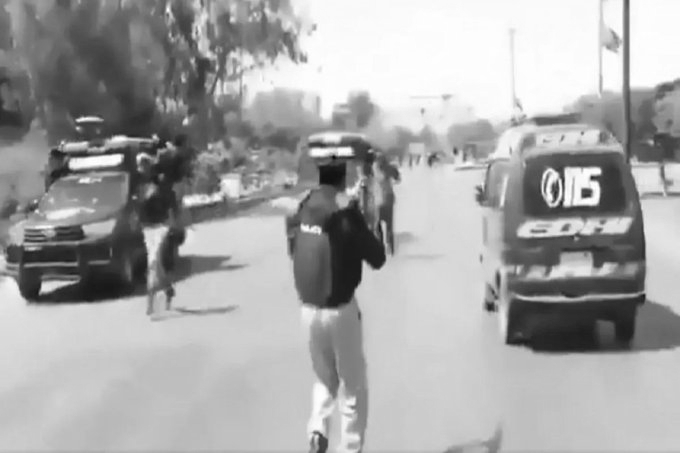
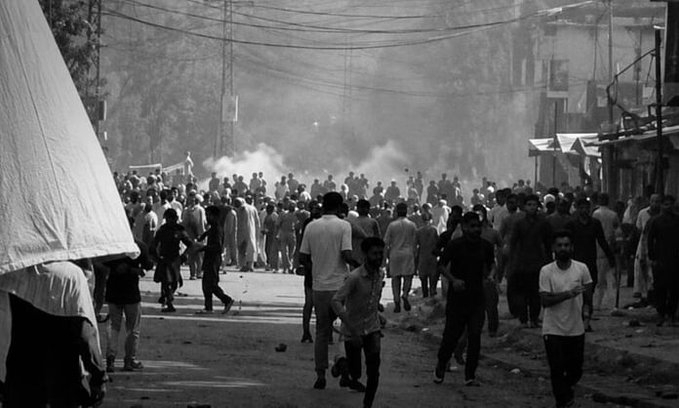
Violence has erupted across Pakistan-occupied Kashmir , with protest groups claiming that more than 30 people have been killed and around 200 injured in a brutal security crackdown tied to a region-wide movement against economic hardships, governance failures, and political representation. The numbers, chilling as they are, may not even tell the full story. Reports suggest that dead bodies are being removed quietly , and three local Kashmiri policemen were shot dead by Pakistani Rangers, for refusing to open fire on their own people .
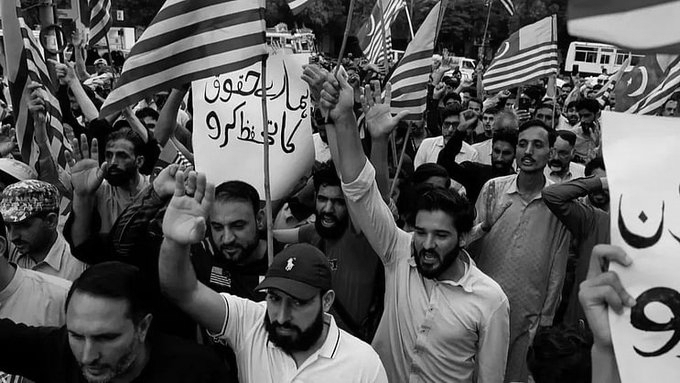
The violence in Rawalakot erupted after JAAC supporters gathered outside a hospital mortuary where the body of a killed activist had been brought following an earlier shooting, a grief-stricken crowd met with bullets instead of condolences. At the heart of this uprising is the Joint Awami Action Committee (JAAC) , a grassroots civil society alliance demanding subsidised flour and electricity, governance reforms, and the scrapping of 12 legislative seats reserved for Kashmiri refugees settled inside Pakistan , a provision locals say is engineered to dilute their political voice. The Pakistani government declared JAAC a banned organisation under anti-terrorism legislation , then proceeded to prove every accusation the movement had ever made against it.
The JAAC's central office was physically sealed , mobile internet services were cut across the region, and public gatherings were banned, a textbook authoritarian shutdown dressed up as law and order. The crackdown also came suspiciously close to a general election scheduled for July , suggesting that Islamabad's primary concern was not public safety but political inconvenience.
The international response has been swift and damning. More than 30 British MPs wrote to UK Foreign Secretary Yvette Cooper demanding explanations from Islamabad over the communications blackout and mass arrests, after British Kashmiris lost all contact with relatives in the region. The UK, Australia, and Canada all issued travel advisories warning of road blockades, communication disruptions, and heavy security deployments, and the United States warned its citizens against travel to parts of PoK between June 5 and June 20. Even the Human Rights Commission of Pakistan itself said it was "deeply alarmed" by the violence and questioned the decision to outlaw JAAC under anti-terrorism law, a rare moment when Islamabad's own conscience spoke louder than its generals.
JAAC leader Shaukat Nawaz Mir said in a video message: "The state has begun a massacre of our people in Rawalakot."
This is not, it must be said, a new pattern. Pakistan has fired on PoK protesters before, in 2023 over flour prices, again in 2025 over electricity tariffs, and each time the script is identical: ban the organisation, cut the internet, remove the bodies quietly, and call it restoring order. Observers have drawn uncomfortable parallels with 1971 , when Pakistan suppressed another legitimate political movement with guns instead of governance and created Bangladesh in the process.
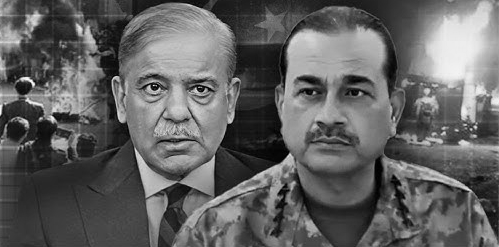
For Field Marshal Asim Munir , this is a catastrophic case of overreach. Already stretched thin from simultaneously confronting the Afghan Taliban, the TTP, and the Balochistan Liberation Army after the embarrassment of Operation Sindoor , Pakistan's security apparatus simply had no grip left on PoK.
India's response has been pointed. MEA spokesperson Randhir Jaiswal called the violence a direct consequence of Pakistan's " oppressive and extractive policies " and its systemic plundering of resources from territories under its forcible and illegal occupation, adding that Pakistan must be held "accountable for its horrific human rights violations."
This is a contrast of Pakistan-sponsored narrative about Indian Kashmir, the very people Pakistan claims to champion, bleeding under Pakistani boots .