
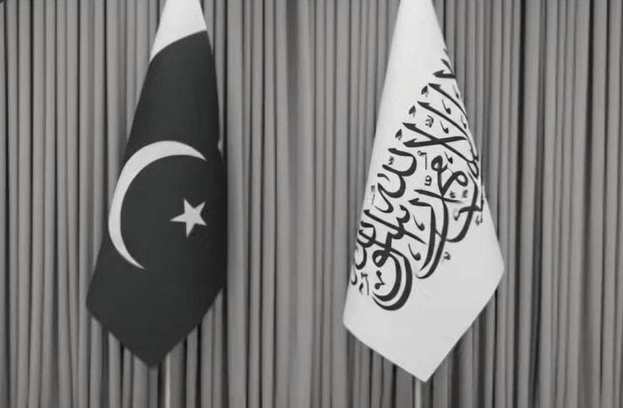
Pakistan-Afghanistan peace talks in Istanbul collapse after both sides fail to agree
The crucial Pakistan-Afghanistan talks in Istanbul ended without a breakthrough, as the Afghan Taliban delegation refused to commit to “verifiable measures” against the Tehreek-i-Taliban Pakistan (TTP) and other militant groups allegedly operating from Afghan soil. The continuing stalemate reflects years of mistrust, violent cross-border incidents, and the escalation that has pushed both neighbours to the brink of confrontation.
The Istanbul dialogue marked the second round of negotiations between Pakistan and the Afghan Taliban this month. The first round, held in mid-October (October 13–14), concluded without tangible progress despite mediation by Turkish and Qatari officials. That meeting focused on counterterrorism coordination and confidence-building but ended amid disagreements over verification mechanisms and Pakistan’s insistence on firm anti-TTP measures. The second round, held over the weekend of October 26–27, was viewed as an opportunity to revive momentum and secure written commitments from Kabul, yet once again ended in deadlock after the Taliban delegation refused to sign or guarantee any verifiable steps.
The roots of the current conflict trace back to August 2021, when the Taliban seized power in Kabul following the U.S. withdrawal. Initially, Pakistan welcomed their return, hoping a friendly government would rein in the TTP - a group sharing ideological ties with the Afghan Taliban but carrying out deadly attacks inside Pakistan. However, instead of cooperation, Pakistan saw the TTP re-emerge and strengthen, regrouping inside Afghanistan and launching dozens of cross-border assaults on Pakistani security forces and civilians, particularly in Khyber Pakhtunkhwa and Balochistan.
Islamabad accuses the Taliban regime of harbouring TTP leaders, offering them safe havens, and allowing them to operate freely under the protection of Afghan territory. Kabul denies the charges, saying Pakistan’s border policies and military actions have worsened tensions. Pakistan’s efforts to negotiate with the TTP in 2022 - a process facilitated by the Afghan Taliban, collapsed after repeated suicide bombings, prompting Islamabad to abandon talks entirely.
The conflict escalated dramatically in early October 2024, when Pakistan launched a series of cross-border airstrikes targeting suspected TTP hideouts in Khost and Paktika provinces of Afghanistan. The strikes came after a deadly TTP attack on a military convoy in North Waziristan on October 6, which killed several Pakistani soldiers and was traced back to militants operating from Afghan soil. Pakistani intelligence claimed to have verified the militants’ origins and routes, leading to the sudden decision to strike across the border, the most significant military action since the Taliban takeover.
The Afghan Taliban condemned the airstrikes as a “violation of Afghan sovereignty”, triggering fierce border clashes along the Durand Line and a breakdown in communication between the two governments. Pakistan’s decision to deport undocumented Afghan refugees and impose strict border controls further worsened relations. Kabul denounced the deportations as “collective punishment”, while Islamabad defended them as a security necessity in light of rising terror incidents.
These developments dragged the bilateral conflict into a new and more dangerous phase, compelling regional mediators, particularly Qatar and Türkiye - to intervene. The October 19 Doha ceasefire, brokered by Qatar, temporarily halted the hostilities after a week of deadly exchanges. It also paved the way for the Istanbul talks, intended to open a “sincere phase of dialogue” aimed at preventing a full-scale rupture in relations.
The Istanbul discussions extended late into Sunday after both sides failed to reconcile their core differences. Pakistani security officials said their delegation had presented its “final position,” demanding that the Taliban take “concrete and verifiable steps” to dismantle terrorist sanctuaries.
“Pakistan has made it clear that the ongoing patronage of terrorists by the Afghan Taliban is unacceptable,” a senior Pakistani security official, described Taliban responses as “illogical and detached from ground realities.” The official further alleged that the Afghan team “appeared to be following someone else’s agenda.”
During the talks, tensions escalated further when reports emerged of a ceasefire violation in the Leepa Sector of Pakistan-Occupied Kashmir (POK), where locals described an “intense exchange of fire.” No casualties were confirmed, but the timing raised fresh suspicions in Islamabad.
The Afghan delegation, led by Deputy Interior Minister Mawlawi Rahmatullah Najeeb, included senior Taliban figures Anas Haqqani, Suhail Shaheen, Noorur Rahman Nusrat, and Abdul Qahar Balkhi. They submitted a written response to Pakistan’s earlier demands, which Islamabad countered with a detailed reply. However, optimism faded when the Taliban refused to offer any written assurances, saying they lacked authority to make binding decisions without consultation from Kabul and Kandahar.
Throughout the two-day dialogue, Pakistan presented what it described as “photographic and documentary evidence” showing that the TTP, Balochistan Liberation Army (BLA), and other anti-Pakistan outfits were operating from Afghan territory. The evidence allegedly included leadership profiles, movement patterns, and Afghan-issued identification documents of captured militants.
At one point, the Taliban offered to facilitate direct talks between Pakistan and the TTP, but Islamabad categorically rejected the idea, reaffirming that it would “never negotiate with a terrorist group.” Pakistani officials insisted that it was the Taliban’s responsibility to take action, warning that “the Afghan people will ultimately pay the price for Kabul’s intransigence.”
Echoing Defence Minister Khawaja Asif’s remarks, Pakistani negotiators reiterated that Islamabad was “ready to pay any price” to safeguard its citizens from terrorism emanating across the border.
Even as discussions continued, Pakistan’s military reported two infiltration attempts in Kurram and North Waziristan, which the Inter-Services Public Relations (ISPR) noted occurred “while delegations of Pakistan and Afghanistan were engaged in talks in Türkiye.” The military said these incidents “cast serious doubts on Kabul’s sincerity and commitment to curbing cross-border terrorism.”
The Istanbul dialogue followed the Doha ceasefire, mediated by Qatar, which ended a week of deadly border clashes. Türkiye hosted this latest round as part of its expanded mediation role, while Qatar acted as guarantor and facilitator.
Pakistan’s delegation included senior officials from the Inter-Services Intelligence (ISI), the Directorate of Military Operations, and the Foreign Office. Diplomatic sources said both Turkish and Qatari mediators are working to maintain communication between the two sides and prevent a complete breakdown in relations.