
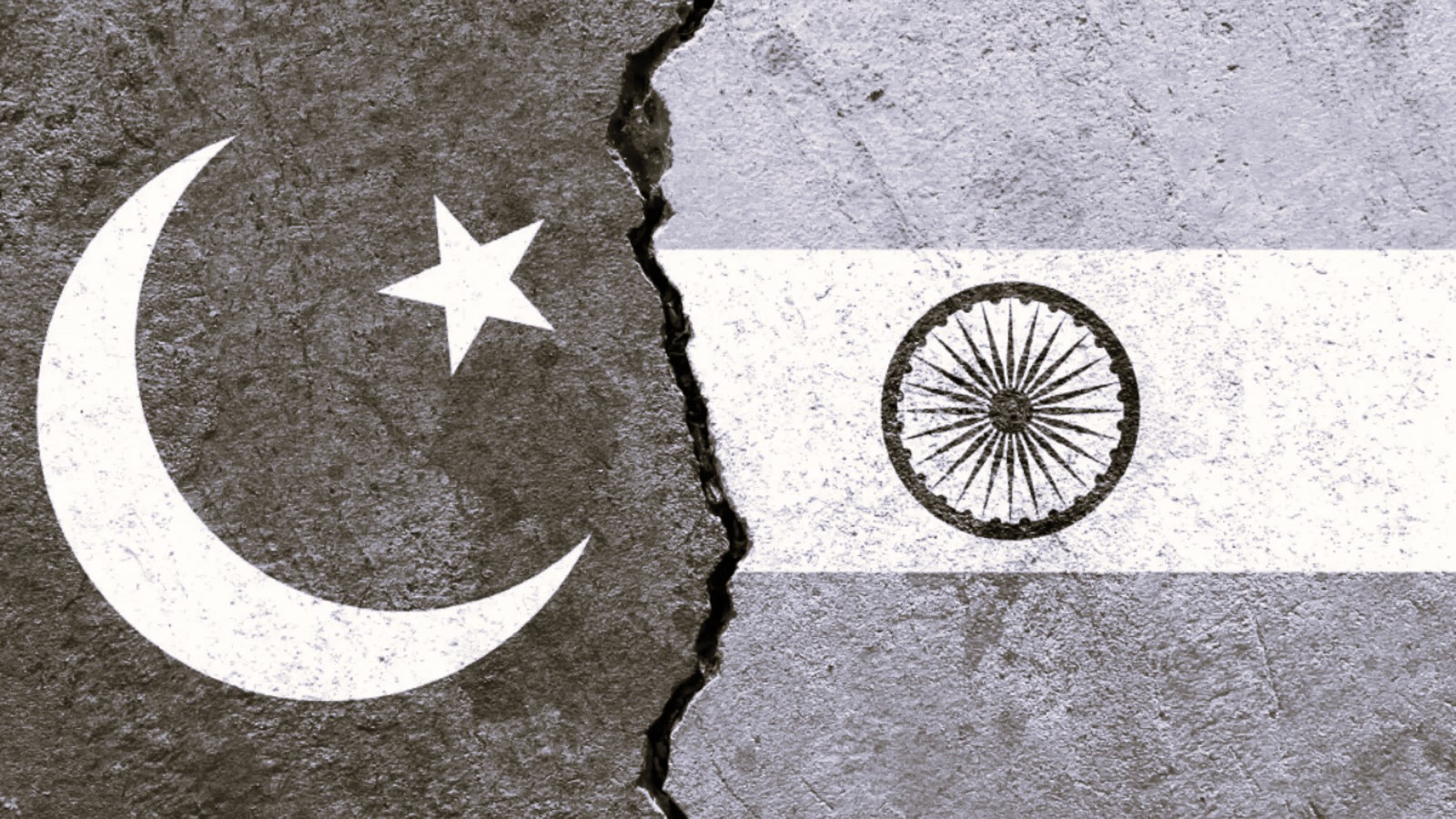
Pakistan vs. India: A comprehensive Socio-Economic and political comparison since 1950
Since the partition of British India in 1947, India and Pakistan have followed divergent paths shaped by political choices, economic policies, and social strategies. While sharing historical and cultural ties, their trajectories in governance, human development, economic performance, and defense have been markedly different. This article compares these two nations on socio-economic and political parameters from 1950 to 2025, using data from multiple independent sources, including IMF, UNDP, SIPRI, WHO, WEF, and national ministries.
Political Landscape
Trend: India’s democratic framework has enabled consistent policy implementation, whereas Pakistan’s intermittent military interventions have limited long-term planning and institutional continuity.
Economic Indicators (PPP Terms)
Sources: IMF, World Bank, UNDP.
Trend: India’s economy, supported by liberalization and industrial expansion, has outpaced Pakistan both in GDP and per capita income. PPP adjustments highlight the greater purchasing power of India’s citizens relative to nominal values.
Social Development Indicators
Sources: WHO, UNDP, national health ministries.
Trend: India has made significant progress in literacy, health, and life expectancy, while Pakistan still faces challenges in healthcare access and female literacy.
Military and Defense
Sources: SIPRI, national defense ministries.
Trend: Pakistan allocates a higher proportion of its GDP to defense relative to India, reflecting regional security concerns; India’s larger absolute budget supports broader modernization.
Education and Innovation
Sources: UNESCO, Global Innovation Index.
Trend: India’s sustained investment in education and innovation has fostered a growing technology sector, while Pakistan lags in higher education and research development.
Infrastructure and Energy
Sources: National ministries, World Bank, ScienceDirect.
Trend: While Pakistan has a higher proportion of irrigated land, India surpasses Pakistan in electricity access and transport connectivity, supporting industrial growth and urbanization.
Environmental Concerns
Sources: WHO, WEF, IPCC.
Trend: Both nations face environmental challenges, but Pakistan is more vulnerable to water scarcity and climate-related disasters.
Reasons for Divergence
The divergence in development outcomes stems from historical, political, and economic factors. India’s stable democracy, institutional continuity, and policy consistency fostered economic growth, social development, and technological innovation. Pakistan’s recurrent military rule, political instability, and resource allocation to defense constrained human development and industrial diversification. Economic strategies, population policies, and education investments also differ: India’s focus on liberalization and STEM education contrasts with Pakistan’s slower reforms and limited higher education expansion. Geopolitically, border conflicts and security priorities forced Pakistan to divert resources to defense, reducing funds available for health, infrastructure, and human capital. Environmental vulnerabilities, including water scarcity and climate exposure, further exacerbate disparities. Cultural, demographic, and urbanization patterns also contribute to the differing trajectories observed over the past seven decades.