
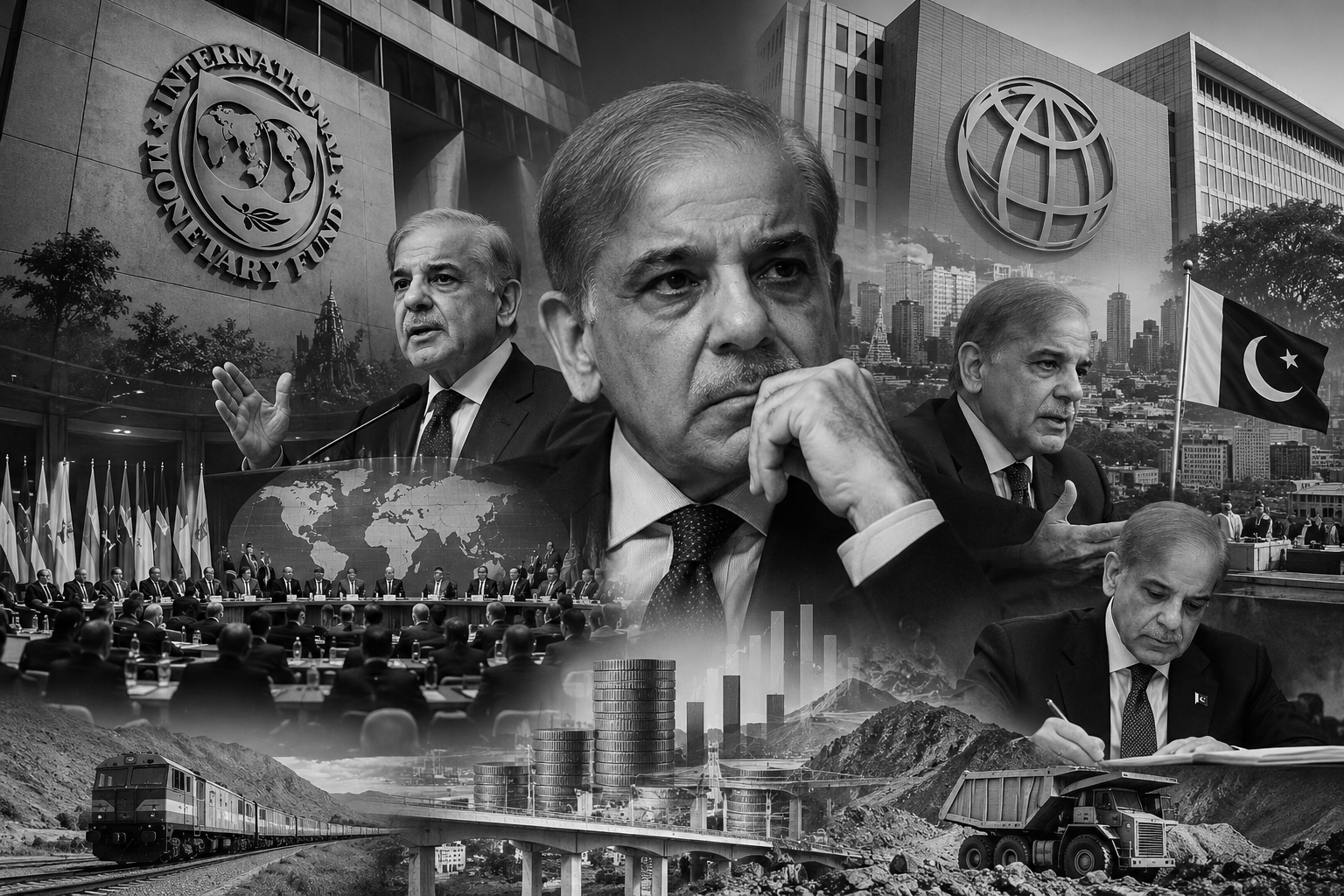
Pakistan to Chair IMF, World Bank Boards in 2027 After 73 Years
Pakistan has been named the incoming chair of the Boards of Governors of the International Monetary Fund (IMF) and the World Bank Group (WBG) for 2027, returning to the position for the first time since 1953. The appointment offers Islamabad an opportunity to strengthen its international economic standing as it continues to depend on multilateral financing to support economic stability and reforms.
Pakistan’s Minister for Economic Affairs and World Bank governor, Ahad Khan Cheema, was formally announced as the incoming chair during the plenary session of the 2026 IMF–World Bank Annual Meetings in Bangkok on October 16. Pakistan’s Ministry of Economic Affairs described the development as a “historic milestone”, highlighting opportunities to contribute to global economic discussions and facilitate dialogue among member countries.
Held from October 12 to 18, the annual meetings brought together more than 15,000 participants from 191 countries, including finance ministers, central bank governors and development officials. Bangkok was selected as the host in April 2023 through a vote by the institutions’ Boards of Governors, meaning the meeting followed an established schedule rather than being organised specifically in response to current geopolitical tensions.
Pakistan’s appointment comes as the country continues implementing a USD 7 billion Extended Fund Facility (EFF) and a USD 1.4 billion Resilience and Sustainability Facility (RSF). The programmes support balance-of-payments needs, economic reforms and measures to address climate-related risks. A recent staff-level agreement with the IMF could unlock approximately USD 1.2 billion, subject to Executive Board approval.
Islamabad faces continuing challenges involving debt repayments, tax collection, energy-sector reforms and external financing. The government is also pursuing privatisation, export-led growth and private investment to reduce dependence on international assistance. Global oil-price volatility and disruptions linked to the conflict involving Iran add to concerns over import costs and inflation.
During its 2027 chairmanship, Pakistan could highlight development financing, debt sustainability, climate resilience and stronger representation for developing economies. It is also seeking World Bank support for its 2026–2035 Country Partnership Framework, the ML-1 railway upgrade, a proposed Economic Railway Corridor and mineral-sector development.