
Pakistan rewriting the script? Counter-terror drills and fighter jet deals take centre stage
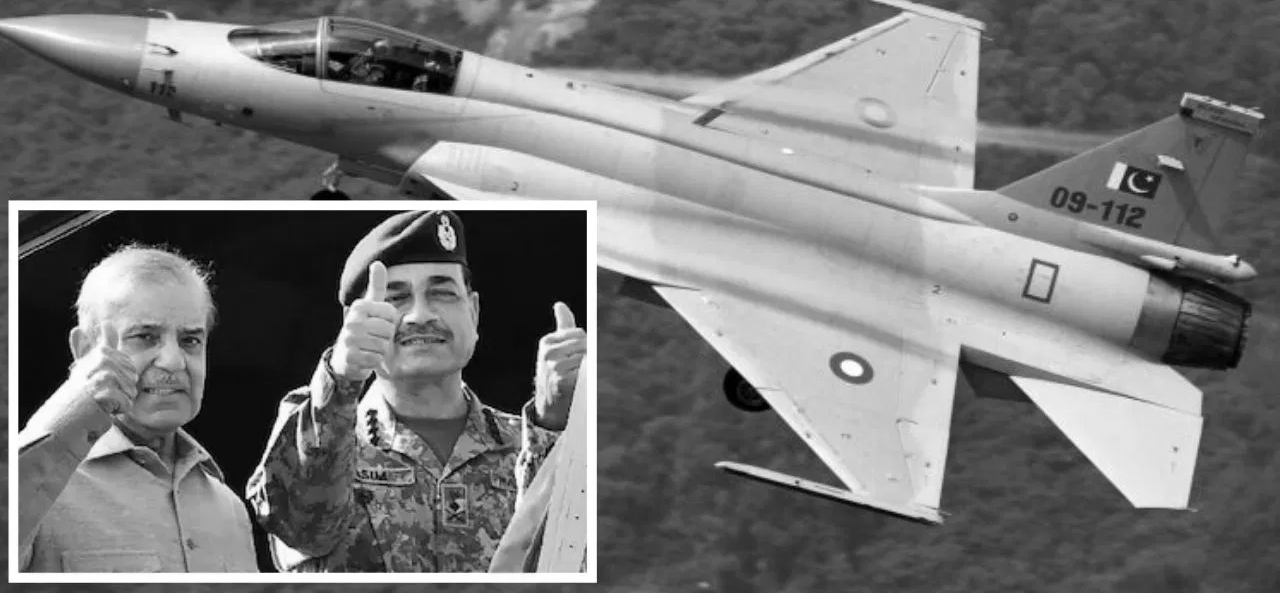
Following the Pahalgam attack, Pakistan has intensified its military, diplomatic, and economic engagement, using heightened regional tensions and an assertive counter-terrorism narrative to recast itself as a security provider rather than a perpetual aid recipient. High-profile military activity has been paired with an aggressive push to promote the JF‑17 Thunder fighter jet , aiming to secure diplomatic support, build export markets, and reduce reliance on international loans.
The 13th Pakistan-US counter-terrorism exercise, Inspired Gambit-2026 , began at the National Counter Terrorism Centre in Punjab. The two-week drill focuses on interoperability, urban warfare, and counter-terror tactics. Officials present the exercise as evidence of Pakistan’s growing counter-terror role, but analysts note a contradiction: past elements within Pakistan’s security establishment have historically supported or tolerated militant groups for strategic purposes. The drills serve both as operational training and as image-building for the US and international observers . The US, despite the capability to strike terrorist sites in Pakistan, generally avoids direct large-scale operations to preserve leverage, prevent escalation with a nuclear-armed state, and maintain vital access to Pakistani intelligence and territory.
The JF‑17 Thunder , co-developed with China , has become central to Pakistan’s defence diplomacy. Iraq has expressed interest in acquiring JF‑17s and Super Mushshak trainers, while Bangladesh has discussed procurement, training, and long-term support. Saudi Arabia is reportedly exploring a $4 billion defence deal converting loans into JF‑17 purchases, alongside a $2 billion support facility. Similar agreements are emerging with Sudan ($1.5 billion) and Libya ($4 billion), signaling Islamabad’s expanded military export footprint. Most buyers are Muslim-majority or conflict-affected states , including Iraq, Sudan, Libya, and Azerbaijan , with others like Nigeria and Myanmar similarly driven by security pressures and Western supplier restrictions.
Pakistan claims the JF‑17 was combat-tested against India in May 2025 and reportedly destroyed Indian Tejas jets , though no evidence has been provided and India has not responded. Analysts note that Chinese-origin J‑10 jets were heavily relied upon in the conflict, raising questions about the operational impact of the JF‑17.
Beyond air power, Pakistan has showcased wider military capabilities. The Navy recently test-fired the LY‑80 (N) surface-to-air missile , conducted loitering munition strikes, and trialed an unmanned surface vessel, highlighting readiness and technological advancement.
Economic and strategic ties with Saudi Arabia have strengthened, with $4 billion in trade and investment agreements and a $2 billion support facility to boost foreign reserves. These moves, alongside a mutual defence pact, deepen Pakistan’s security and strategic posture in a volatile region.
Defence Minister Khawaja Asif has emphasized the economic impact of defence exports: “Our aircraft have been tested, and we are receiving so many orders that Pakistan may not need the International Monetary Fund in six months.” This underscores Islamabad’s narrative of shifting from dependency to agency, using military diplomacy and exports to secure both revenue and international influence.
Supporters argue Pakistan has turned post-Pahalgam challenges into diplomatic and economic leverage, projecting itself as a security supplier and strategic actor . Critics caution that many deals remain in negotiation, and long-term gains depend on execution. Still, the combination of military exercises, defence promotions, potential exports, and economic statements demonstrates Islamabad’s effort to recast itself from a borrower into a self-reliant regional power , with the JF‑17 at the center of this strategy .