
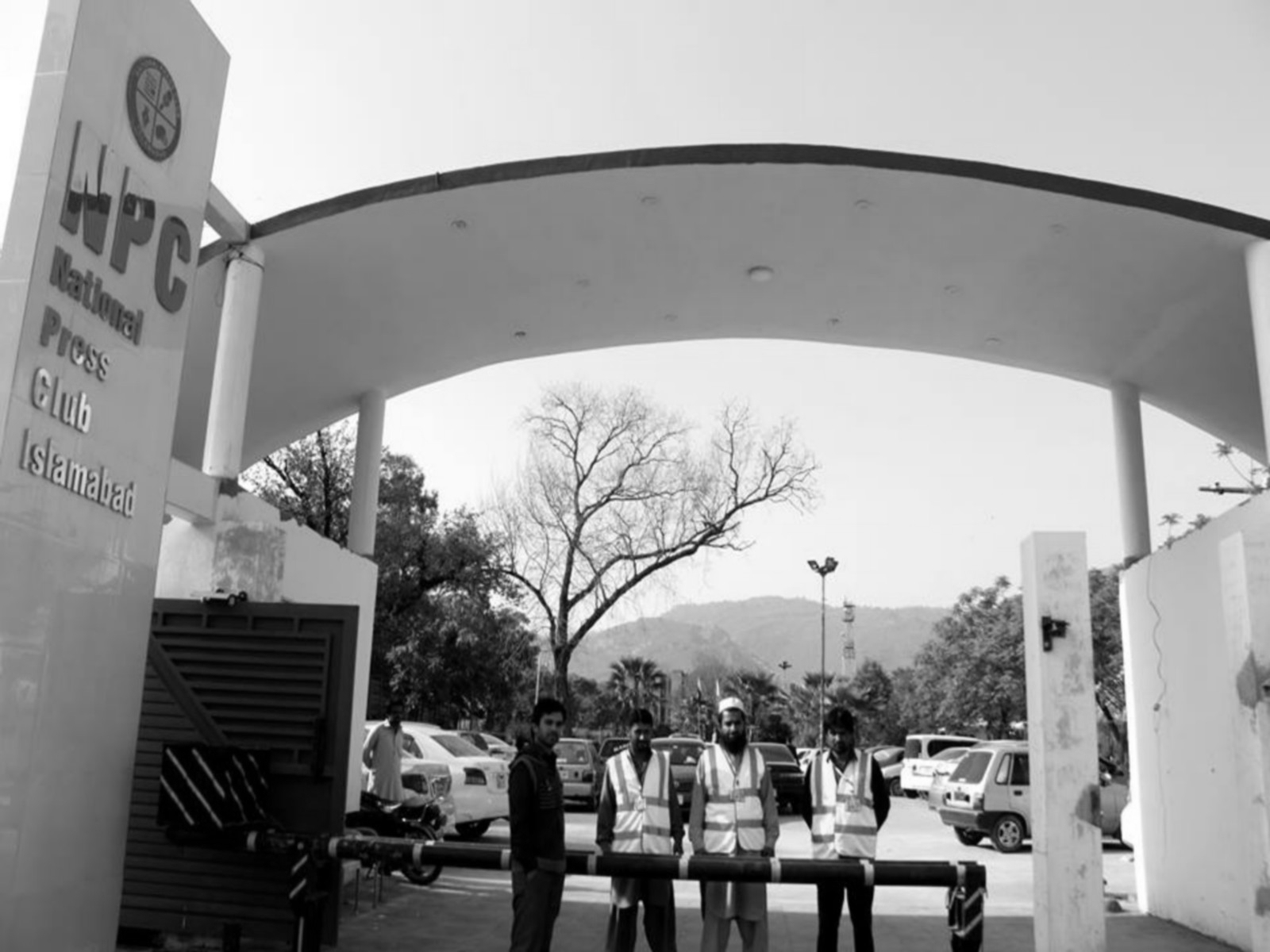
Pakistan Faces ‘Black Day’ as journalists beaten, POK protests erupt, UNHRC slams rights record
Pakistan’s press observed a nationwide “Black Day” on Thursday following police assaults on journalists at the Islamabad Press Club, highlighting growing hostility toward media and civil rights. Journalists called the attacks a major threat to freedom of expression and criticized authorities for suppressing coverage of civil unrest across the country.
The protests by media professionals coincided with growing international scrutiny during the 60th Session of the UN Human Rights Council (UNHRC) in Geneva. Experts and activists sharply criticized Islamabad over enforced disappearances, extrajudicial killings, and detention in undisclosed locations. Chongshi Yeah Joseph, Executive Director of the Centre for Human Rights and Peace, called Pakistan a “rogue state” for its rising use of such practices:
“Extrajudicial killings, torture, detention in unknown places, irrespective of who they are—and all this detention with the consent of the state means that the state is becoming a rogue state,” Joseph told ANI.
Activists from Pakistan’s provinces and Pakistan-occupied Jammu and Kashmir (POK) highlighted systemic rights abuses. Fazal-ur-Rehman Afridi of the Pashtun Tahafuz Movement reported over 6,500 enforced disappearances among Pashtuns, while Sindhi activist Kamran Jatoi condemned the use of anti-terrorism courts against peaceful dissenters. Exiled POK activist Nasir Aziz Khan reported at least 10 demonstrators killed in Muzaffarabad during recent protests.
Meanwhile, in POK, violent unrest over corruption, unemployment, and poor governance prompted Islamabad to send an eight-member ministerial committee to Muzaffarabad for talks with the Jammu Kashmir Joint Awami Action Committee (JKJAAC). The region has been under a communications blackout for four consecutive days.
Jamil Maqsood, President of the Foreign Affairs Committee of the United Kashmir People’s National Party, described Pakistan as a “sinking Titanic”: “People are deprived of health, education, development, and job opportunities. The youth has stood up… Pakistan is sinking the Titanic, and we are not ready to ride on it.”
Security forces have deployed across POK to block protest marches, even as demands for justice—including punishment for those responsible for killing peaceful demonstrators—remain central to ongoing negotiations.
Former Canadian MP Dr. Habib Millat, now head of the Global Center for Democratic Governance, called enforced disappearances a “grave human rights concern” requiring coordinated international action. The confluence of the journalists’ protests, UNHRC criticism, and POK unrest underscores mounting domestic and international pressure on Islamabad over civil rights and governance failures.