
Oxford Museum To Return 39 Naga Ancestral Remains Taken During Colonial Rule
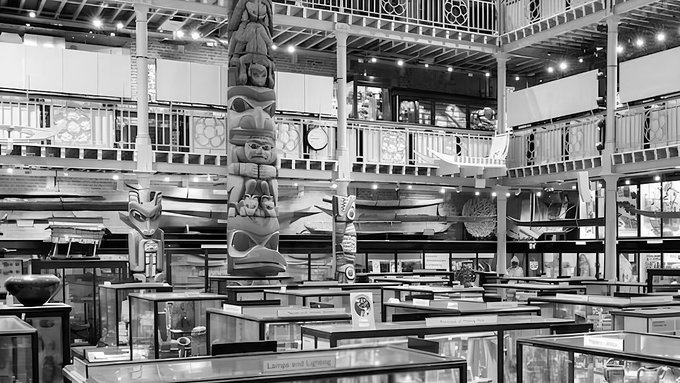
The University of Oxford’s Pitt Rivers Museum has agreed to return 39 Naga ancestral remains to Nagaland, marking a major step in a years long effort to repatriate human remains taken during British colonial rule.
The museum, which holds the world’s largest collection of Naga material, said the remains will soon begin their journey home after a formal handover ceremony in Oxford. A Naga delegation is also expected to accompany the ancestors to India. The museum is currently working with Naga representatives to finalise the handover date.
The University of Oxford Council approved the return on July 13, 2026, after the Forum for Naga Reconciliation (FNR) submitted a formal claim for 40 ancestral remains in February. The university agreed to return 39 but rejected the request for one additional remain because its provenance as Naga could not be clearly established.
The remains were brought to Oxford during the colonial period, mainly between around 1910 and 1940 by British colonial administrators and anthropologists John Henry Hutton and James Philip Mills. The museum acknowledges that some remains and artefacts were confiscated during punitive military expeditions rather than freely given.
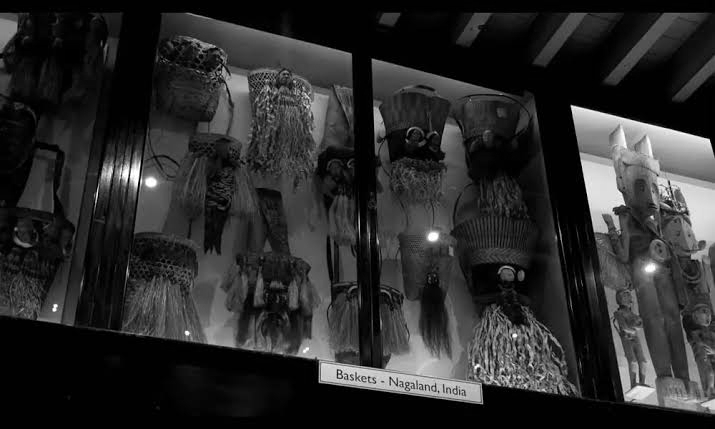
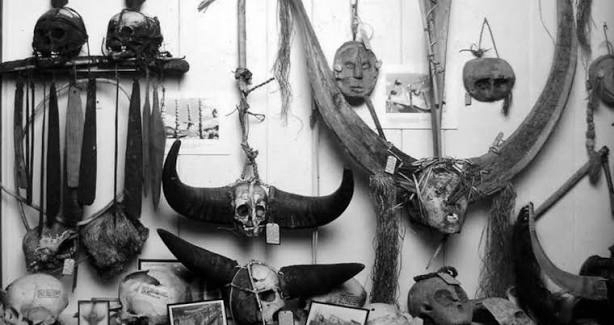
The Pitt Rivers collection contains thousands of Naga objects. Its records list 219 items as Naga human remains, including 39 ancestral human remains, primarily skulls, and 178 objects containing or potentially containing human hair. The current repatriation concerns the 39 ancestors.
The museum removed all human remains from public display in 2020. That decision helped open discussions with Naga representatives, with the Forum for Naga Reconciliation (FNR) and its Recover, Restore and Decolonise (RRaD) team subsequently leading a community based process involving tribal Hohos, elders, churches and communities.
A delegation of Naga elders and leaders visited Oxford in 2025, and the Naga Oxford Declaration on Repatriation was presented in June that year, calling for the return of ancestors and describing repatriation as part of healing and restoring wholeness.
Naga organisations are preparing for the remains to arrive in Dimapur, Nagaland, where the community has committed to a joint memorial resting place intended as a place of healing and peace.
Pitt Rivers Museum director Professor Laura Van Broekhoven described the process as “humbling” and said she felt honoured to work alongside Naga partners to find a path home for the 39 ancestors.
For Naga leaders, the return represents more than the physical repatriation of remains. They say it is about memory, dignity, justice and healing, while also confronting the legacy of colonial exploitation.