
Owaisi Likens Bhojshala Verdict To Babri Judgment, Muslim Groups To Move SC
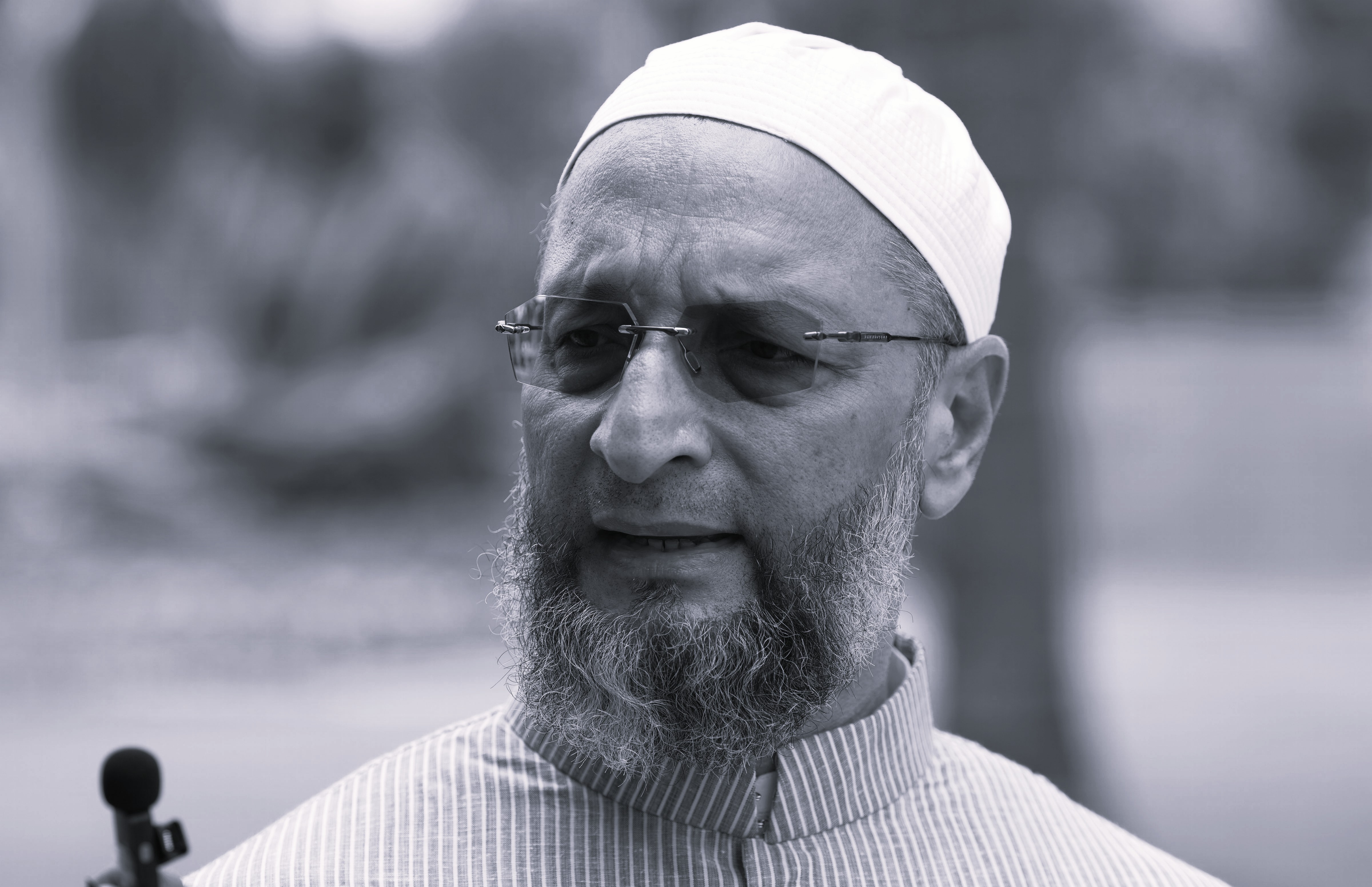
AIMIM chief Asaduddin Owaisi on Friday strongly criticised the Madhya Pradesh High Court’s verdict declaring the disputed Bhojshala-Kamal Maula Mosque complex in Dhar district as a Hindu temple, comparing it to the Babri Masjid judgment . Muslim organisations have also announced that they would challenge the ruling in the Supreme Court .
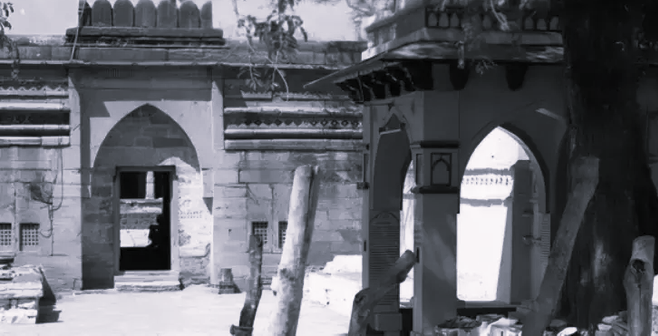
The controversy intensified after the Indore Bench of the Madhya Pradesh High Court delivered its final judgment on the long-pending dispute involving the 11th-century structure. The court held that the site was originally a Saraswati temple , relying on archaeological survey reports and historical evidence. It observed that the religious character of the complex was that of a Hindu temple and stated that the Central government and the Archaeological Survey of India (ASI) could decide matters related to its administration and maintenance.
Reacting to the verdict on social media platform X, Owaisi alleged that the ruling resembled the Babri Masjid case , accusing the judiciary of overlooking historical realities. He argued that altering the religious character of a place of worship was unconstitutional and said he expected the Supreme Court to overturn the High Court’s directions. Owaisi also expressed hope that the apex court would protect minority rights and preserve historical structures.
The High Court, while declaring the nature of the disputed site, also suggested that the Muslim community could seek allocation of an alternative place for offering prayers. The court indicated that the present site would continue as a temple, while the state government could consider providing land elsewhere for mosque-related purposes. Muslim groups, however, opposed the proposal, arguing that it undermined their religious identity and historical association with the site.
The court relied heavily on evidence submitted by the ASI, including inscriptions and symbols suggesting that the complex once housed a Sanskrit learning centre known as Saraswati Kanthabharan and contained an idol of Goddess Saraswati. Historical accounts attribute the construction of the structure to King Bhoj in the 11th century. Hindu organisations have long claimed that the site was later converted into a mosque, while Muslim parties maintained that it had functioned as a mosque for centuries. After examining both arguments, the court concluded that the site was originally a temple.
The verdict has once again triggered political and legal debate across the country. Owaisi’s remarks reflect growing concern among sections of the Muslim community. Similar to the disputes involving the Gyanvapi Mosque in Varanasi and the Shahi Idgah Mosque in Mathura, the Bhojshala matter is now expected to reach the Supreme Court. The case is also likely to reignite debate over the scope of the Places of Worship Act, 1991 , and the religious status of historical monuments in India.