
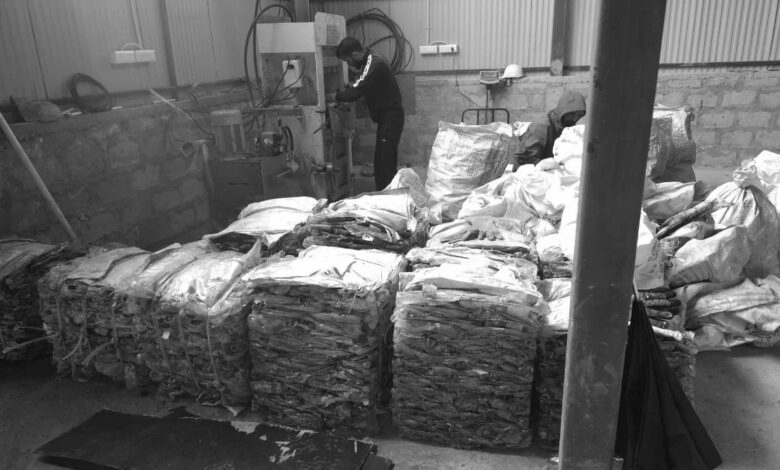
Over 1,000 kg Plastic Waste Collected in Kedarnath in First Week of Char Dham Yatra
The sacred Himalayan shrine of Kedarnath is witnessing a strong environmental response this pilgrimage season, with authorities collecting and processing over 1,000 kg of plastic waste in just the first week of the Char Dham Yatra.
The initiative follows the Uttarakhand government’s “green pilgrimage” campaign , aimed at protecting the fragile ecology of the region as thousands of devotees begin their spiritual journey. The shrine’s doors opened on April 22, marking the start of the annual yatra.
Officials from the Kedarnath Nagar Panchayat said a 3,000 square feet Material Recovery Facility has been set up locally to handle the rising volume of waste generated by pilgrims and service activities. The facility is actively segregating waste into 15 different categories , including plastic, glass, tin, and cloth.
Executive Officer Neeraj Kukreti said the team has been using compactor machines to compress plastic bottles into bundles weighing 30 to 40 kg each , making storage and transport easier. He added that the processed waste will be sold, helping generate revenue for the local body.
In addition to plastic, glass and tin waste are being transported to Sonprayag for recycling and scrap sale. To ensure cleanliness on the ground, around 55 sanitation workers have been deployed in two shifts across the shrine area.
A separate agency has also been assigned to manage waste along the trekking route, ensuring that the high altitude pilgrimage path remains clean and litter free. Authorities are also working on constructing permanent pits for biodegradable waste disposal .
The efforts align with Prime Minister Narendra Modi’s appeal urging tourists and pilgrims to avoid single use plastics and protect Uttarakhand’s delicate environment. Chief Minister Pushkar Singh Dhami reiterated the message, stressing that preserving the purity of rivers and the Himalayas is a top priority.
The early results from Kedarnath signal a growing shift toward cleaner pilgrimage practices, where devotion and environmental responsibility move forward together.