
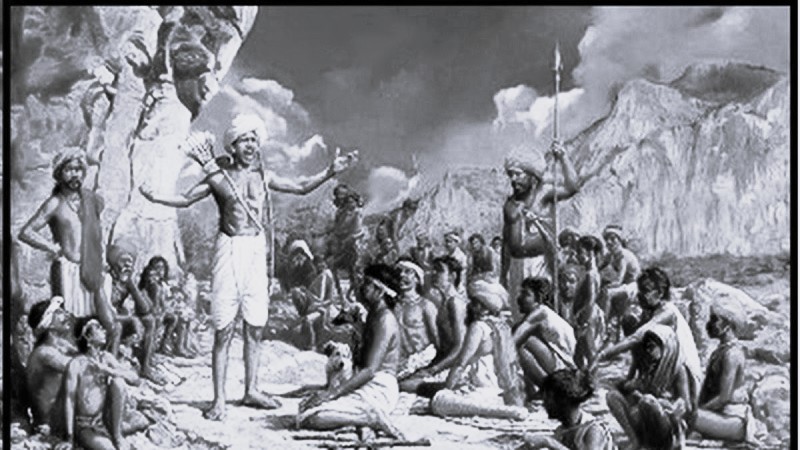
Our land, Our rights: Birsa Munda’s enduring influence in modern Jharkhand
November 15, 2025, stands as a day of great significance, marking the dual milestones of Jharkhand’s 25th statehood anniversary and the 150th birth year of Birsa Munda, one of India’s most influential tribal leaders and freedom fighters. More than just a figure from history, Birsa Munda embodies the spirit, resilience, and aspirations of tribal communities who have long struggled for justice, dignity, and recognition in India. His contributions laid the foundation for the birth of Jharkhand and continue to guide local and national movements for indigenous rights.
Birsa Munda, honored as “Dharti Aba” (Father of the Earth), rose to prominence during a period of immense upheaval in the late nineteenth century. As British colonial policies threatened the sanctity of tribal land and identity through land seizures, unfair laws, and exploitation, Birsa became a symbol of hope and resistance. He fostered a sense of unity and pride among his people, encouraging them to safeguard their traditions and fight against oppressive practices. Birsa’s vision of “Munda Raj” called for tribal self-rule, communal land ownership, and social harmony.
The most pivotal chapter of Birsa Munda’s legacy was the Ulgulan or “Great Tumult” uprising (1899–1900). This massive movement united thousands of tribals against British exploitation, unjust taxation, forced labor, and the tyranny of landlords. Under Birsa’s leadership, the Munda, Oraon, Kharia, and Ho communities rallied for their ancestral rights. He championed the khuntkatti system, which recognized communal land ownership and protected tribal territory from colonial encroachment. Birsa’s efforts culminated in the landmark Chotanagpur Tenancy Act (1908), a law that remains critical to preserving tribal land rights in Jharkhand today.
Beyond politics, Birsa Munda was a spiritual and social reformer. He founded the Birsait faith, urging his people to reject superstitions, foreign religious influence, and alcohol abuse. He promoted education, cultural pride, and social unity, empowering tribal communities to embrace self-respect and personal growth. Birsa’s principles inspired generations of leaders and are commemorated nationally during Janjatiya Gaurav Diwas (Tribal Pride Day).
The journey to Jharkhand’s statehood in 2000 is a story of decades-long struggle for tribal rights, representation, and justice. As the state celebrates its Silver Jubilee and Birsa’s 150th birth anniversary in 2025, its progress is marked by new developmental projects, cultural celebrations, and a renewed focus on inclusive growth. Major investments in infrastructure, healthcare, education, and tribal welfare honor Birsa’s ideals. Cultural parades, exhibitions, and folk performances showcase a vibrant heritage and reaffirm the enduring spirit that Birsa ignited.
Despite persistent challenges such as economic inequality and displacement due to mining and industry, Jharkhand continues its journey towards equitable development and self-reliance. The slogan “Our Land, Our Rights” echoes Birsa Munda’s resolve and remains a rallying cry for the empowerment of tribal communities. His life, though brief, has left a profound and eternal impact.
Birsa Munda transformed tribal resistance into a sweeping movement for justice, dignity, and self-governance. As Jharkhand commemorates its 25 years of statehood alongside Birsa’s 150th birth anniversary, it does so as the living realization of a visionary’s dream for freedom, equality, and identity. Every step Jharkhand takes is a tribute to Birsa’s leadership and sacrifice. For its people and for generations to come, Birsa Munda’s legacy is not just a memory, it is an inspiration and a call to action for justice and hope.