
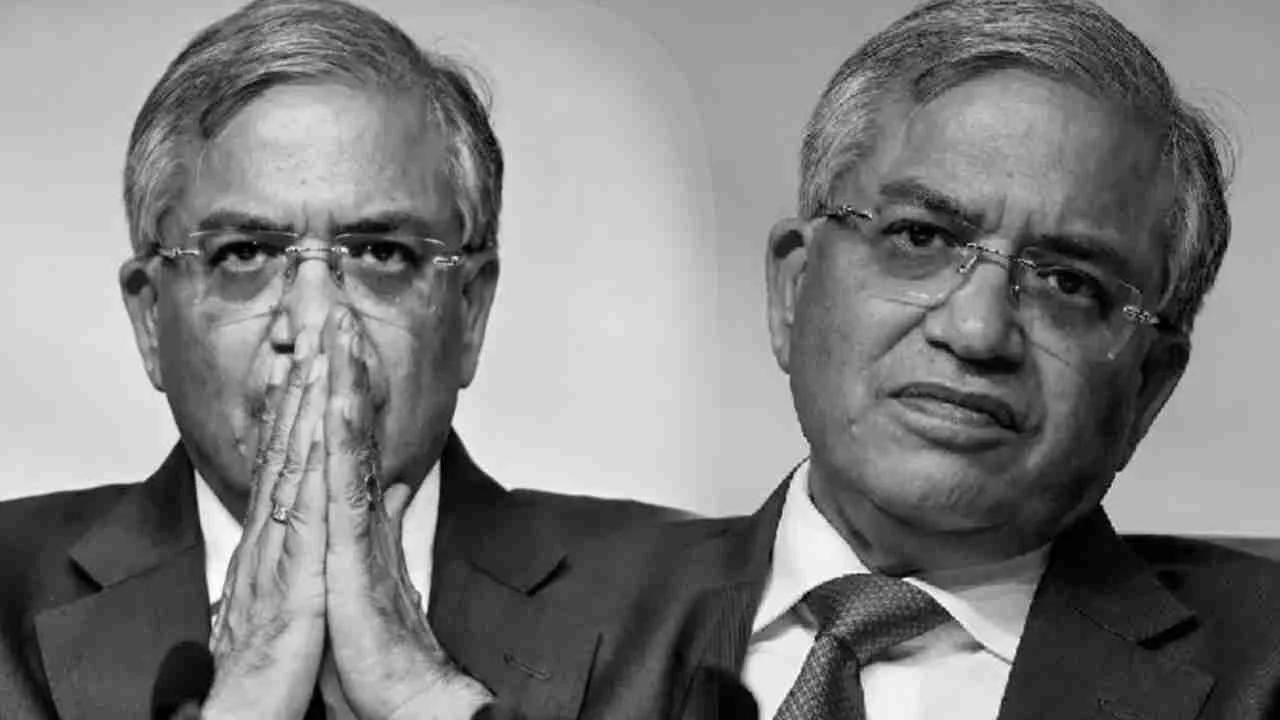
Opposition MPs submit notice to both houses to move motion for CEC’s removal
In a tense political development, Opposition Members of Parliament on Friday submitted notices in both the Lok Sabha and Rajya Sabha seeking a motion for the removal of Chief Election Commissioner (CEC) Gyanesh Kumar . This is the first coordinated effort by lawmakers to challenge the head of India’s electoral oversight body, triggering a sharp political exchange between the Opposition and the government.
The notices, reportedly signed by 130 Lok Sabha MPs and 63 Rajya Sabha MPs , allege that Kumar engaged in partial conduct favouring a particular political party and cite multiple charges, including alleged misbehaviour and irregularities related to the Special Intensive Revision (SIR) of electoral rolls. The notice, as prepared for submission, is around 10 pages long , detailing the accusations and supporting evidence against the CEC.
TMC MP Kirti Azad said: “Gyanesh Kumar is a member of the Bharatiya Janata Party. The way he is functioning is visible to everyone. Yes, an impeachment is necessary. We have been raising this issue even before the discussion around the West Bengal Legislative Assembly election began. He did not work fairly even in Maharashtra, Haryana or Bihar elections.”
AAP MP Sanjay Singh said the party had decided to back the motion after repeated inaction by the Election Commission on complaints involving alleged fake voters being registered at addresses linked to BJP MPs in Delhi , and genuine voters being removed from rolls under the SIR exercise.
Congress MP Imran Pratapgarhi said the opposition was exercising its constitutional right to raise serious questions about the conduct of the CEC, arguing that the electoral process and democratic system needed defending.
On the government side, BJP MP Damodar Agrawal criticised the motion, saying: “Putting such constitutional institutions in the dock and spreading misinformation about them is not good.” Government supporters emphasised that the Election Commission’s constitutional independence must be upheld and warned against using allegations of bias as a political weapon. Analysts noted that removal of a CEC requires a special majority in both Houses and is extremely difficult to achieve, implying that the motion may be largely symbolic in the current parliamentary arithmetic.
The Election Commission itself, through CEC Kumar, has emphasised that no eligible voter will be removed from electoral rolls and reiterated assurances that elections will be conducted in a free, fair, and peaceful manner . Kumar also stressed the need for non-partisan conduct by election officials while defending the Commission’s procedures.
With Parliament now adjourned until March 16, the coming days are expected to see continued political debate over the motion, its implications for India’s electoral institutions, and the broader trust in democratic processes.